The First Reports on the Ancient Kyrgyz
Curl error: Operation timed out after 120001 milliseconds with 0 bytes received
A new stage in the study of the history, population, economy, and nature of Kyrgyzstan began after its annexation to Russia. The imperial government needed reliable information about these "unknown" countries, their internal political and economic situation, natural and labor resources, and communication routes. Only in the second half of the 19th century did Russian scientific societies send 250 scientific expeditions to the Kyrgyz Republic.
Researchers of Central Asia Throughout the centuries of studying the Tian Shan, it has been "assaulted" by travelers and scientists from more than 40 countries of the Old and New Worlds. It has been "besieged" from all four corners of the horizon. In ancient times, these were representatives of the Greco-Roman world and the Ancient East; in the Middle Ages — Arabs; and from the 18th century until the October Revolution — Russians, Germans, English, French, and others. The
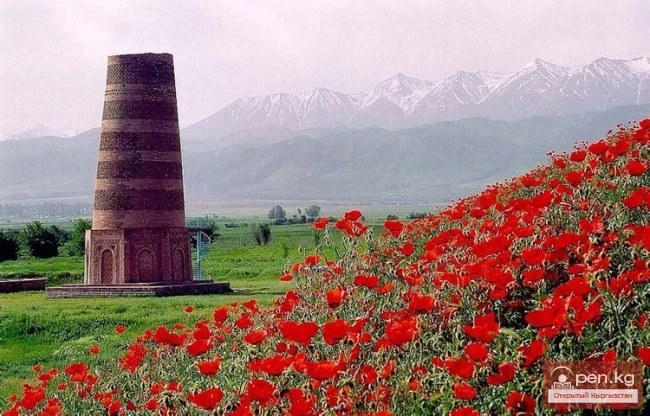
Masterpieces and Mysteries of Ancient Kyrgyz Architecture Among the outstanding architectural works of Kyrgyzstan from the 11th to 12th centuries is the Burana Tower—an 11th-century minaret. The tower is located in the Chui Valley near the city of Tokmak. Over the centuries, the purpose of the tower has been forgotten by the people. Some believe it was a watchtower, while others adhere to the legend that it is part of a castle where a powerful khan sheltered his beloved daughter. What does
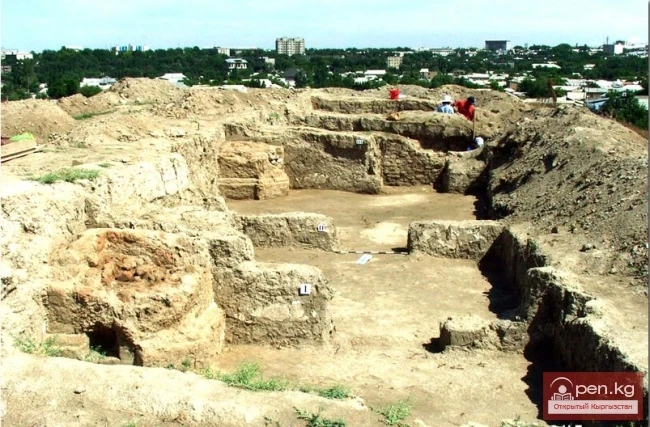
Archaeological Finds of Kyrgyzstan In the summer of 1960, parts of the skeleton of a large mammal, the Trogontherium, were found in the valley of the Jergalan River. Judging by the size of the skeletal remains, the height of this animal reached 5 meters. Trogontheria inhabited this area about 300,000 years ago. The history of Kyrgyzstan is extremely complex, as its territory lay on the path of invasions by many conquerors and powerful migrations that influenced the composition of the