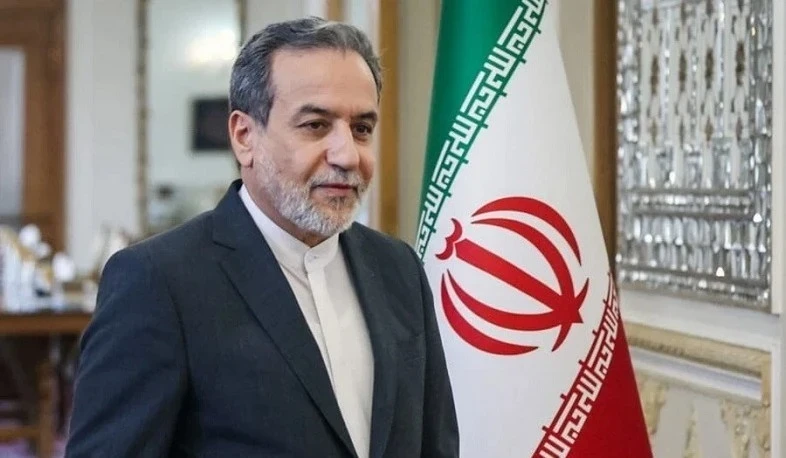
In an article published in the authoritative American newspaper Wall Street Journal, Araghchi sharply criticized the actions of the Trump administration, noting their ineffectiveness. He called for a change in approach, suggesting that instead of pressure, respect should be used.
The minister emphasized that "the White House should not pay attention to the waves of false information circulating in the Western media about recent events in Iran," adding that the protests began peacefully and were recognized by the government as legitimate. However, with the emergence of internal and external terrorists, peaceful demonstrations turned to violence, necessitating the blocking of communication between the organizers of the unrest and the terrorists.
The media distorts reality, creating an atmosphere that could lead to violence in the region. "I suspect that the real goal of this disinformation is violence," the minister noted. While armed terrorist groups attacked demonstrators, some media outlets reported the "fall" of major Iranian cities, although the violence lasted less than 72 hours. Preliminary data indicates that the number of victims is in the hundreds, with final figures to be provided later.
Araghchi also pointed out the "important distinction" of the current protests from previous ones: Trump's public warning about "consequences" in the event of the killing of protesters. This statement, in his opinion, contributed to the fact that the organizers of the unrest adopted a strategy of "maximum bloodshed" to involve the U.S. in a new conflict related to Israel. Even the former CIA director in the Trump administration confirmed Mossad's involvement in the street protests.
From December 28 to January 8, protests reminiscent of those observed in democratic countries took place in Iran: mostly peaceful actions against economic reforms and inflation, joint negotiations of trade unions, and minor clashes. However, after Trump's statement about possible intervention in the event of violence, Iranian security forces faced pre-prepared and large-scale attacks.
Shooting occurred against both police and peaceful citizens. Police officers were killed, burned, and even decapitated. To increase the number of victims, infrastructure facilities, including public transport, hospitals, and mosques, were deliberately destroyed. Most of the deceased were police officers and civilians. All unarmed victims were granted the status of "martyrs," and their families will receive the same assistance as the families of deceased officers.
Now the violence has ceased, and life in the country has returned to normal. Thanks to the actions of law enforcement officers and the vigilance of citizens, terrorist cells were identified and eliminated.
Araghchi warned that in the event of a new attack, unlike the restraint shown by Iran in June 2025, the country's armed forces would respond without hesitation. "This is not a threat, but a reality that I, as a diplomat and a veteran, a supporter of peace, consider necessary to convey to the public," he added, emphasizing that the conflict would be large-scale and affect the entire region.
"Mr. Trump considers himself a negotiator, but he has only brought wars. Look at Palestine, Lebanon, Syria, Yemen, Iran, and even Qatar, and remember how many people died during his year in power. It’s time to change the approach," the minister concluded.
Trump attempted to establish diplomatic relations with Iran, and in May of last year, they were close to a compromise during negotiations in Oman, but the matter did not reach an agreement due to Israeli puppets in the White House. Negotiations also failed to resume in September in New York due to the U.S.'s missteps regarding Europe.
Iran has always sought peace and was ready for serious negotiations to achieve a fair agreement. However, given the experience of recent conflicts, the Iranian leadership has begun to doubt the intentions of the U.S.
The message from Iran to Trump is clear: America has exhausted all possible hostile actions against Iran—from sanctions and cyberattacks to military strikes and terrorist operations, and all have failed. "It’s time to think differently. Try respect—this is an approach that will lead to much better results than you can imagine," Araghchi summarized.