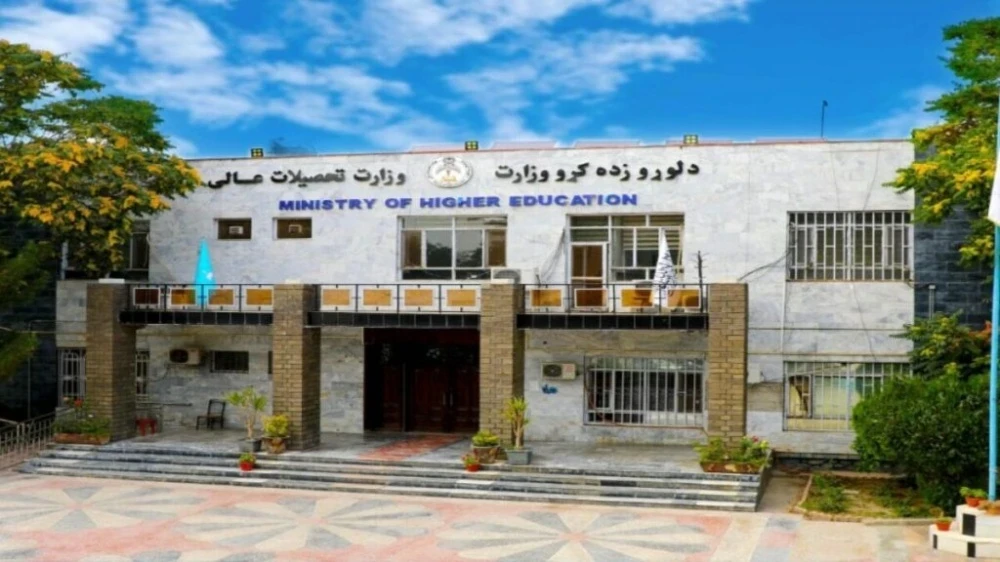
In Afghanistan, Haibatullah Akhundzada, the leader of the "Taliban," has signed a decree to establish a new faculty specializing in "traditional prophetic medicine" as part of the Kabul University of Medical Sciences. According to the Ministry of Higher Education, controlled by the Taliban, the structure and administrative aspects of the new faculty have already been approved and are ready to operate. This was reported by Amu.tv.
The ministry explains that the establishment of this faculty is driven by the need to develop academic research and train specialists in the field of folk medicine. Despite the long history of folk healing methods in Afghanistan, they have long been outside the official education and regulation system. This lack of a unified training and control system has complicated the integration of traditional medicine into the national healthcare system.
Taliban representatives from the Ministry of Health have announced plans to standardize folk medicine and integrate it into the existing state system. They refer to recent global initiatives by the World Health Organization (WHO) that were discussed at a meeting in India, emphasizing the desire to align Afghan practices with international standards.
Interestingly, this expansion of educational infrastructure is occurring against a backdrop of sharp international condemnation of the Taliban. A ban on higher education for women is still in effect in the country, including for medical specialties. International humanitarian organizations and medical experts express serious concern: the exclusion of women from medical universities could lead to a shortage of female medical personnel, jeopardizing access for millions of Afghan women and children to essential medical care.