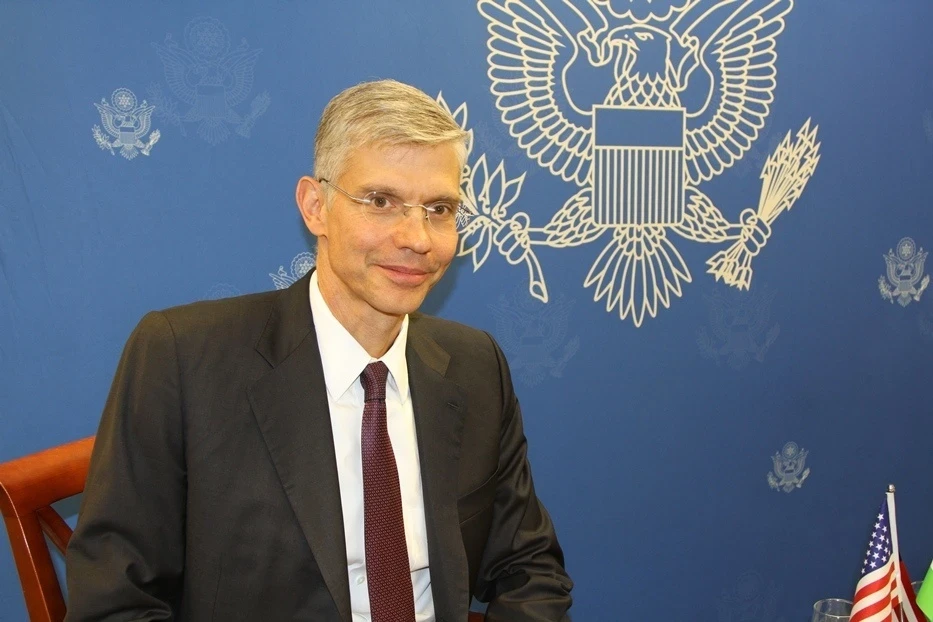
At the recently concluded session of the business forum "B5+1" in Bishkek, the Deputy Assistant Secretary of State for the United States, John Mark Pommerheim, presented three key areas of engagement with the region. However, despite diplomatic terms such as "transparency" and "human capital," pragmatic interests seem to be focused on the resources of Central Asia.
The first and third points articulated by the American representative appear to be somewhat of a declarative "facade." Vague phrases about "improving the business climate," supporting startups, and developing the Trans-Caspian corridor create the necessary informational backdrop but remain insufficiently specific. This suggests that they are intended to prepare the ground and logistics for deeper strategic goals.
It seems that the real emphasis of the American strategy is concentrated on the second priority: trade and investment in energy resources and critical minerals. In the context of the global race for resources, the U.S. openly emphasizes the need to develop cooperation in critical minerals.
Thus, the development of the Trans-Caspian route and support for the China-Kyrgyzstan-Uzbekistan railway can be perceived not only as steps towards regional integration but also as the establishment of an effective channel for the uninterrupted export of extracted resources to Western markets.