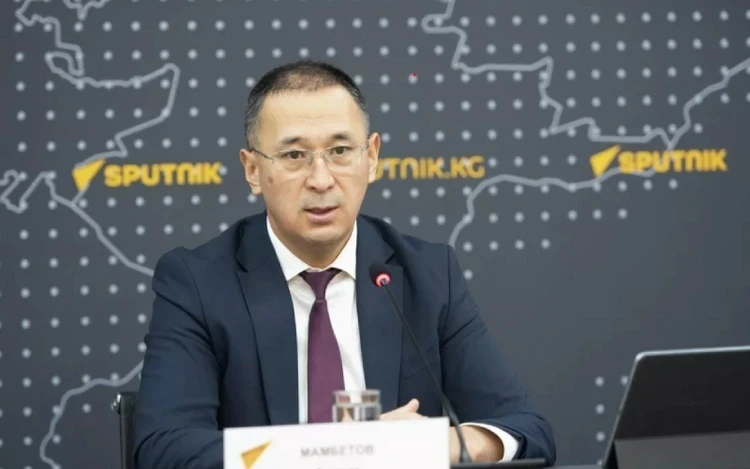
In Kyrgyzstan, the issue of forced resettlement from dangerous areas remains relevant. As reported at a press conference by Azamat Mambetov, the First Deputy Minister of Emergency Situations, the Ministry does not have the means to influence people who stubbornly refuse to leave their homes despite the threat to their lives. He noted that this spring is expected to be early, and temperatures are already 1–2 degrees above normal, creating conditions for landslides and mudflows, as rains increase the load on the soil, and rapid snowmelt in the mountains can lead to floods.
The situation appears paradoxical: the state provides land plots and preferential loans, people build new homes and even relocate their children there, but they themselves return to dangerous areas.
“Children live on the new plots, while the families remain in threatening zones. They even sign statements confirming that they are prepared for the consequences if a landslide occurs,” Mambetov said.
The main arguments of the residents boil down to the convenience necessary for grazing livestock and a reluctance to leave their native places. As a result, rescuers are forced to collect documents about the readiness for tragic consequences, which cannot protect people from natural disasters. The Deputy Minister reminded of the sad historical examples when mass deaths occurred in such areas—20 to 30 people at a time.
The Ministry of Emergency Situations does not have the authority for forced resettlement. We have turned to law enforcement agencies, and additional work will be conducted with these families,” he emphasized.
Currently, about 4,000 plots representing potential danger have been identified in the country. Approximately 2,500 families have already received compensation and land plots; however, the actual resettlement process faces sabotage. This issue has long become a matter of collective civic responsibility. The state spends significant resources to prevent emergencies, while people continue to put their lives at risk for pastures. Until real mechanisms are introduced to address such negligence regarding safety, tragedies in mountainous areas will continue.