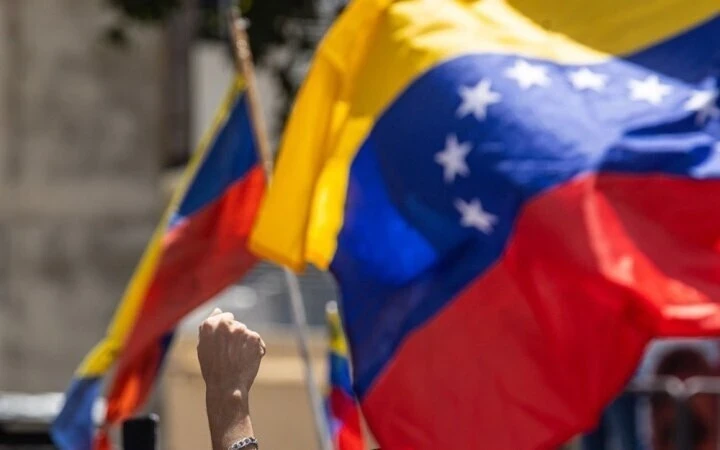
The National Assembly of Venezuela has unanimously approved a law concerning amnesty. This decision could lead to the release of hundreds of political prisoners and halt the persecution of individuals linked to the prolonged political crisis that has persisted in the country since 1999. However, human rights advocates and government opponents have met this news with skepticism due to a number of serious restrictions contained in the law.
The legislative initiative, proposed by the government under the leadership of President Delcy Rodriguez, is seen as a key step towards national reconciliation. Jorge Rodriguez, the chairman of the parliament, noted that the amnesty should put an end to years of division in society and mark the beginning of a "new political era."
According to the provisions of the law, the amnesty applies to individuals who committed political offenses during various upheavals over the past decades. However, the list of exceptions strictly limits the scope of individuals to whom the amnesty can apply. Thus, it will not cover those accused of:
intentional murder and corruption;illegal drug trafficking;gross human rights violations;organizing armed actions with the support of foreign powers.
Assessments from opposition representatives and human rights organizations remain cautious. They acknowledge the importance of the law passed but point out the lack of automatic restoration of political rights and the return of confiscated property. Non-governmental organizations also emphasize the need for transparent criteria for selecting candidates for release.
According to the organization Foro Penal, more than 400 people have been released since the beginning of the year; however, over 600 political prisoners still remain behind bars. Authorities claim that the number of those released is higher and promise to continue this process in the near future.
Before the law was passed, there were tense discussions and protests from the relatives of prisoners who insisted on expanding the amnesty. Experts believe that the real effectiveness of the law will only become apparent after its practical implementation and based on the dynamics of subsequent releases.