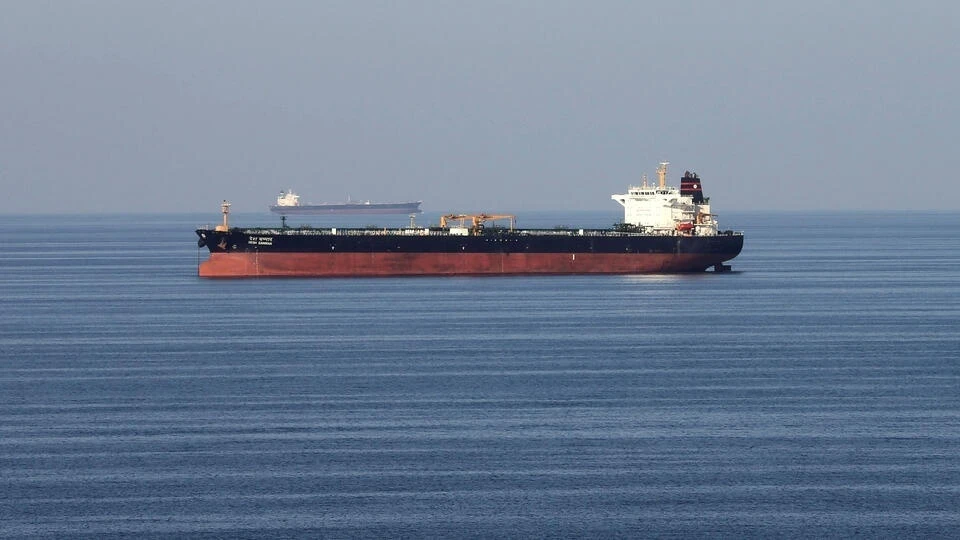
In the Persian Gulf, a highly alarming situation has developed: about 150 tankers engaged in the transportation of crude oil and liquefied natural gas have been forced to anchor outside the Strait of Hormuz. According to Reuters, these vessels have gathered on both sides of this important maritime route, fearing for their safety amid the escalating conflict.
The escalation of the situation occurred after a series of serious attacks on Iranian territory, which Israeli Defense Minister Israel Katz characterized as preventive actions. As a result of these operations, conducted jointly with the United States under the codename "Epic Fury," Iran's Supreme Leader Ali Khamenei was killed. This event led to the imposition of a 40-day mourning period in the country and the declaration of a non-working week.
The complicated circumstances also affected the city of Minab, where, according to Iran's permanent representative to the UN Amir Saeed Iravani, a school was hit, resulting in the deaths of more than 100 children. In response, Tehran began massive drone and missile attacks on American military bases in the Middle East. The explosions were felt in neighboring countries such as the UAE, Qatar, Bahrain, and Kuwait. Previously, Iranian forces attacked a tanker that was attempting to pass through the Strait of Hormuz.
The international community expresses deep concern over the current situation. Russia's permanent representative to the UN Vasily Nebenzya noted that aggressive actions against Iran have already led to the destabilization of the region and could escalate into a conflict of global proportions. The closure of the Strait of Hormuz and the halting of the tanker fleet create unprecedented threats to global energy security.