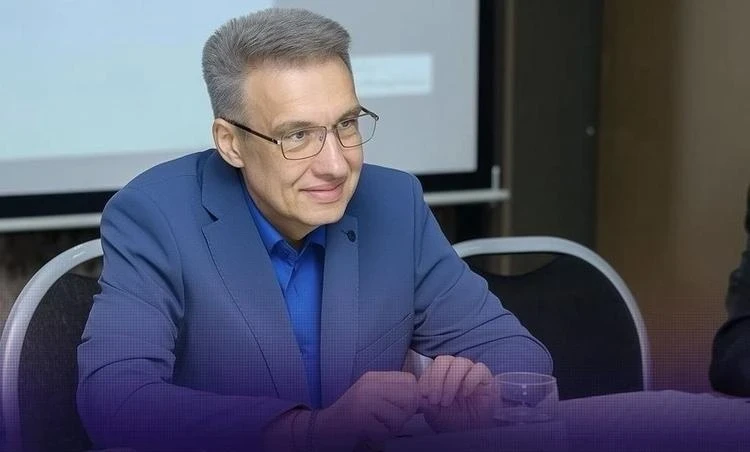
Recent military conflicts in the Middle East have confirmed that the so-called "security umbrellas" in the form of American military bases have proven to be insufficiently reliable. Missile and drone attacks from Iran not only struck these bases but also affected civilian objects and resource structures in Arab countries, as noted by Igor Shestakov, director of the Economic Initiatives Center "Oi Ordo," at a roundtable dedicated to security in the area of responsibility of the Shanghai Cooperation Organization (SCO).
According to him, the results of airstrikes led to casualties among both American military personnel and civilians. The greatest damage was inflicted on the UAE, Kuwait, Bahrain, and Qatar. Shestakov also pointed out the active military cooperation of Qatar with Central Asia but emphasized that the defense strategy of this country, based on American presence, now raises serious doubts. He also noted that ideas about the return of NATO bases to Central Asia lack a real foundation.
Furthermore, the expert noted that the recently established "Council for Peace," known as the "Trump Council," has not yet become an effective tool for achieving peace in the region. "The words of one of the Middle Eastern defense ministers come to mind: 'When politicians bring a dove of peace, the armies have to clean up after it,'" he added, implying that this council often merely provides a platform for discussions but does not offer real solutions.
Shestakov also pointed out that the countries participating in this council, including Uzbekistan and Kazakhstan, remain dependent on the decisions of the White House, raising questions about their ability to protect their own national interests.
US military actions against Iran are viewed by many analysts as a way to counter China, especially considering that Iranian oil is supplied to China in significant volumes. "Although conflicts in the Middle East primarily affect the transport logistics of Central Asia, the military confrontation between Pakistan and the Taliban poses a more immediate threat to the region. The escalation of this conflict could lead to an increase in the flow of refugees, which would create risks of terrorist infiltration into Central Asia," he emphasized.
Shestakov also raised the question of who can actually ensure the security of Central Asia's borders with Afghanistan, given that the SCO has not yet paid adequate attention to this conflict. China's attempts to stabilize the situation have also been unsuccessful, and it is possible that Turkey, seeking to take a leading position in the region, will promote the creation of a military structure within the CSTO. However, Turkey's economic difficulties may hinder the realization of such plans.
In conclusion, the expert noted that the only real guarantor of security in the region remains the CSTO, which has already proven its effectiveness, especially in the context of events in Kazakhstan in January 2022. "Within the CSTO, a program for ensuring border security with Afghanistan is also being implemented," added Igor Shestakov.