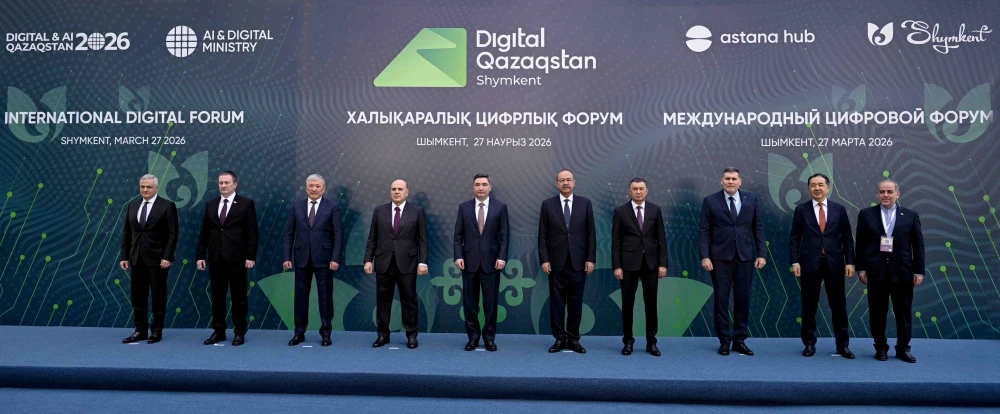
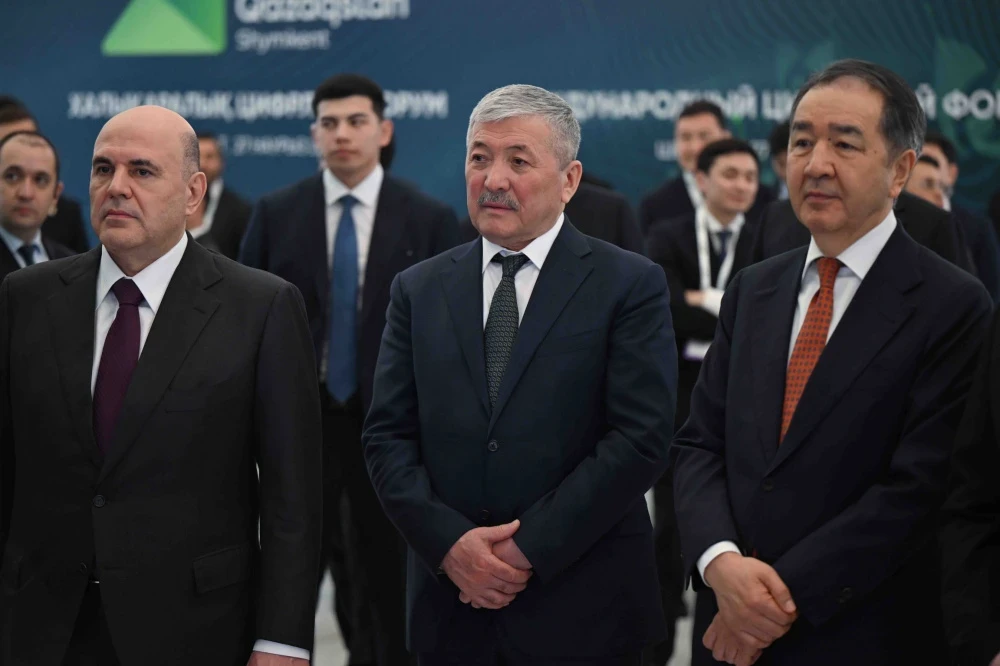
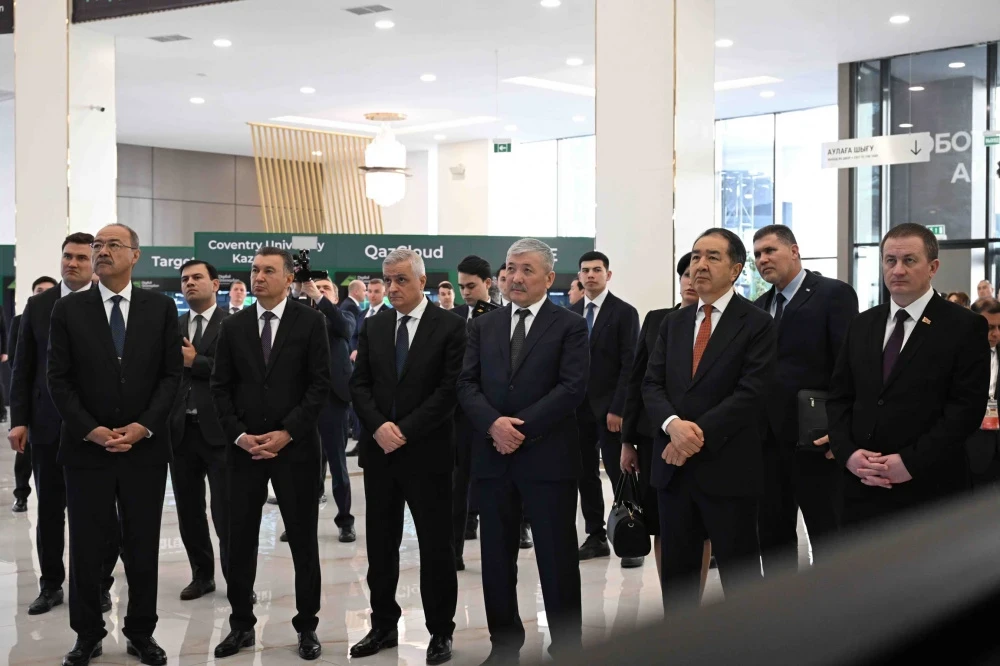
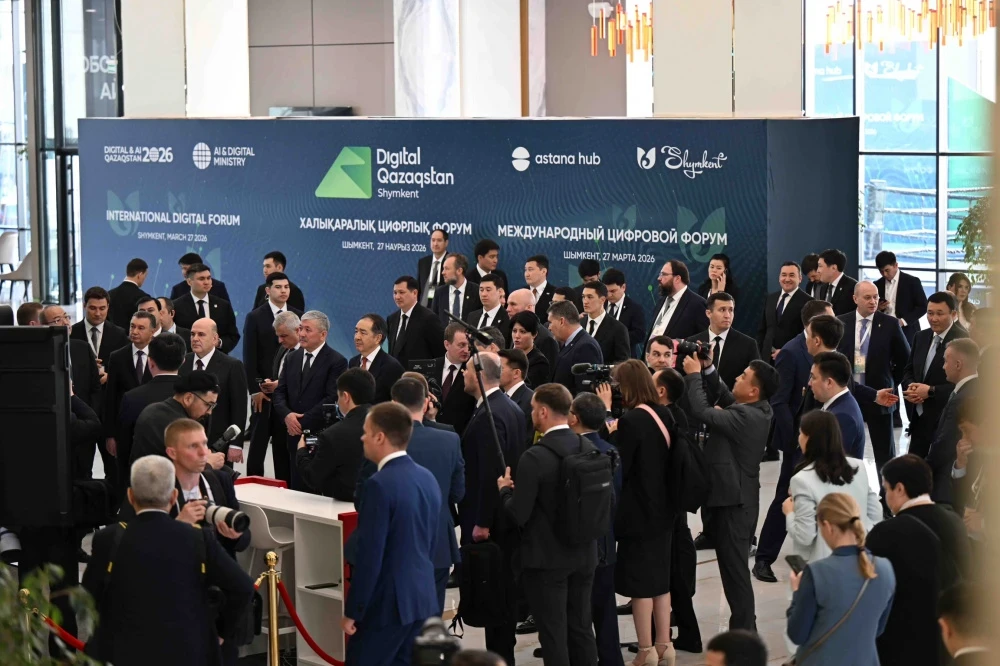
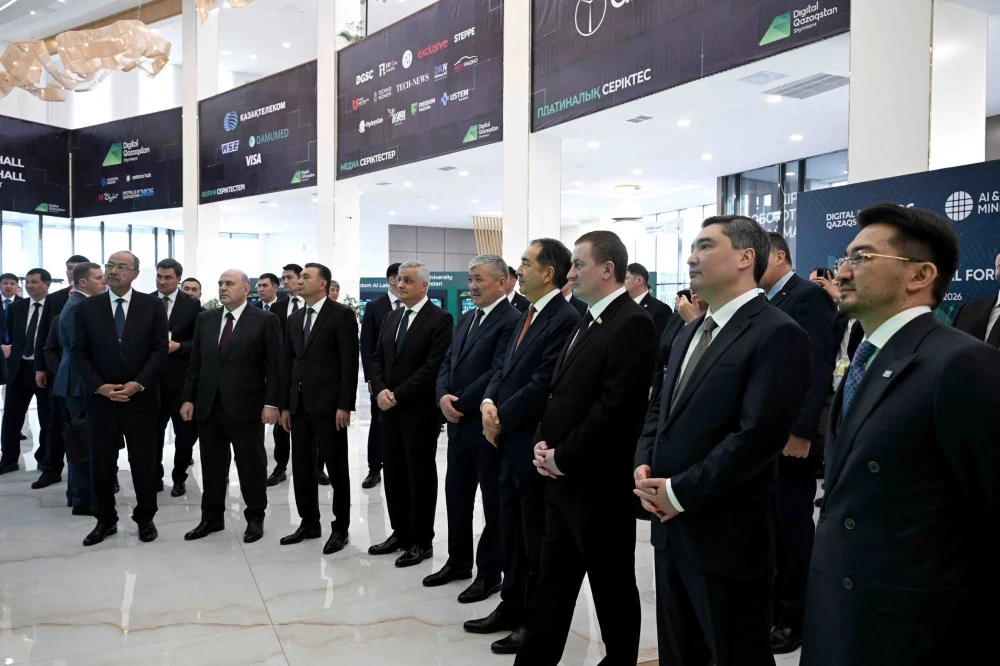
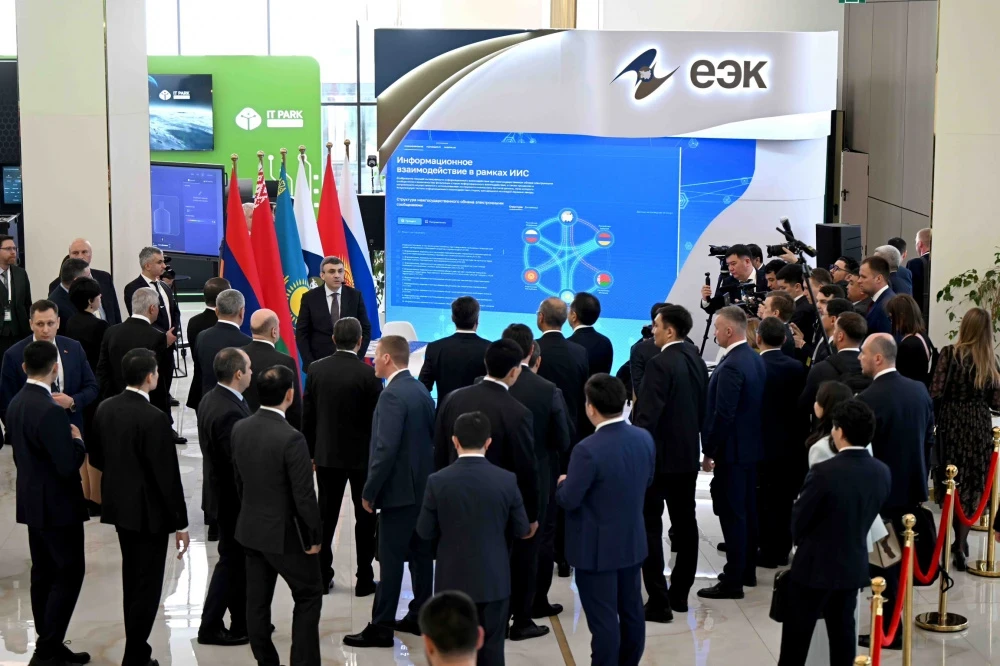
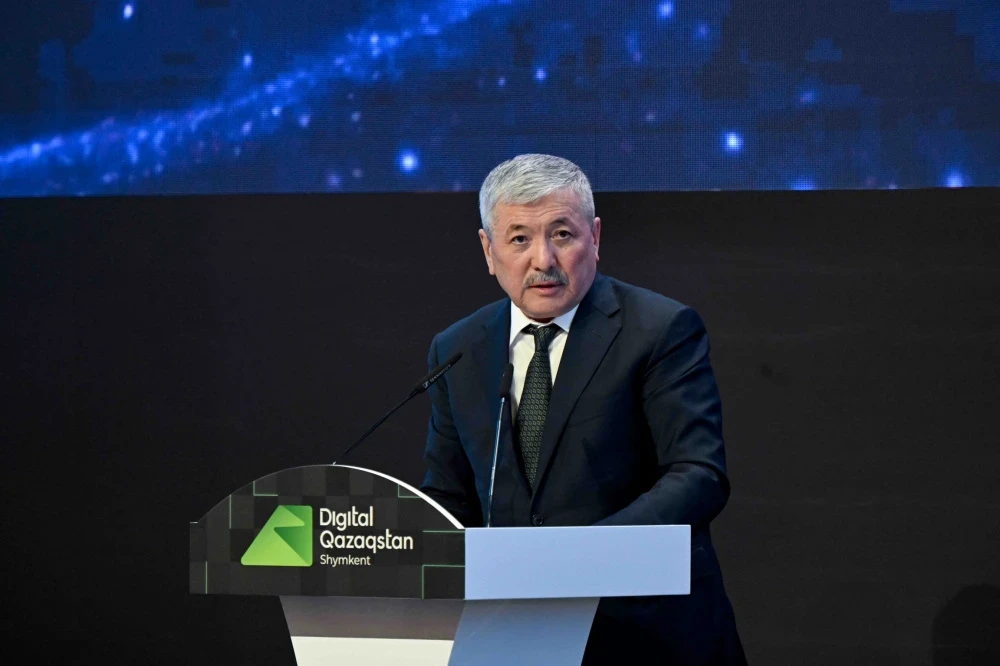
According to the press service of the Cabinet of Ministers, in his speech, Kasymaliev emphasized the key socio-economic indicators of the Eurasian Economic Union over the past five years and discussed several relevant topics.
He noted that compared to 2020, by 2025, all member states of the Union demonstrated growth in gross domestic product. The volume of trade among them also increased. Kasymaliev highlighted that Kyrgyzstan has experienced stable economic growth over the past five years, which confirms the effectiveness of the cooperation strategy.
He pointed out that in developing national initiatives in migration policy, it is necessary to ensure greater interaction and coordination among countries. Kasymaliev proposed creating a permanent platform for consultations among ministries dealing with migration issues.
He stated that the problem of logistics remains significant: modern digital solutions contribute to transparency and accelerate processes; however, at some delivery points, control measures and additional tax collections may arise, including measures such as confiscation and destruction of goods.Kasymaliev also identified three key areas for the development of the Union: digital transformation, industrial cooperation, and innovation. He called for the consistent development of infrastructure, preparation of qualified personnel, and improvement of the legislative framework for the prosperity of the Union.
Additionally, he mentioned important tasks facing the Union related to the application of modern technologies, including monitoring tailings storage facilities and ensuring environmental safety.
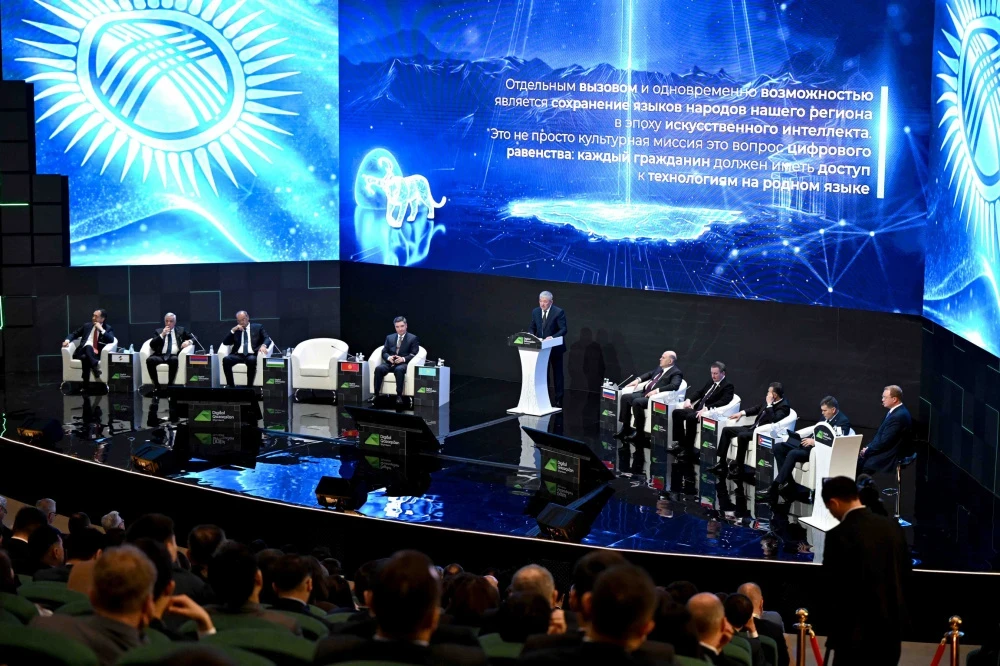
Kasymaliev proposed initiatives for the preservation and development of the languages of the peoples of the region in the era of artificial intelligence, including the creation of open language data and the development of machine translation systems. He also suggested implementing ideas for creating a digital financial hub and a credit conveyor for IT companies in the region.
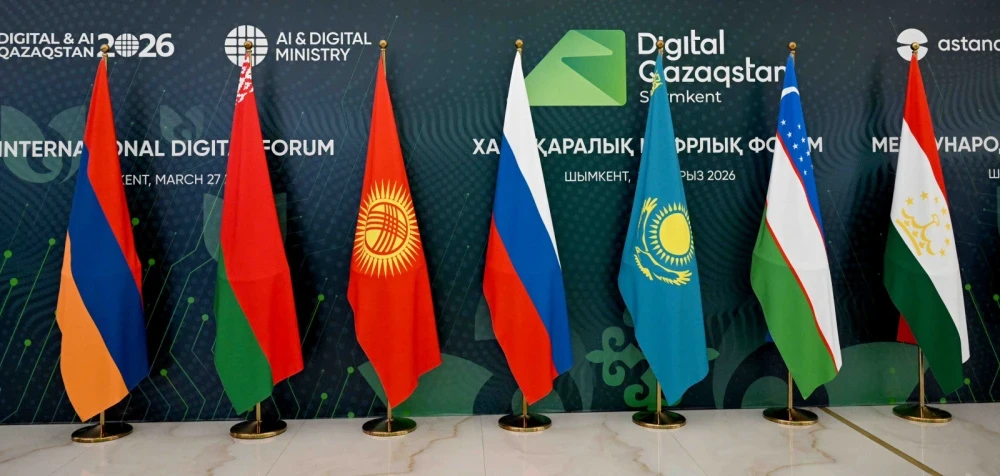
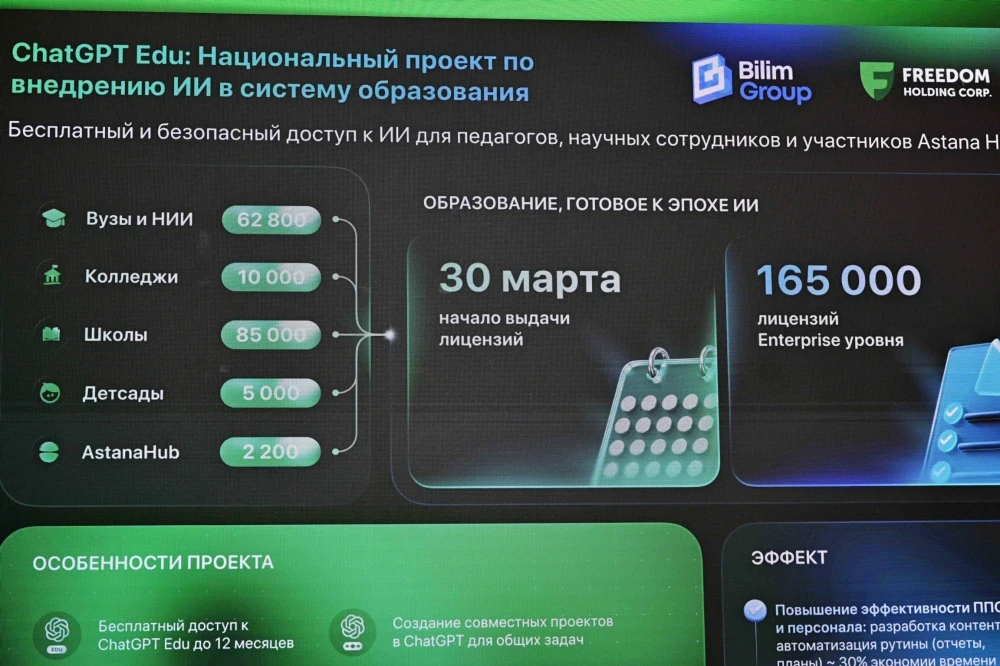
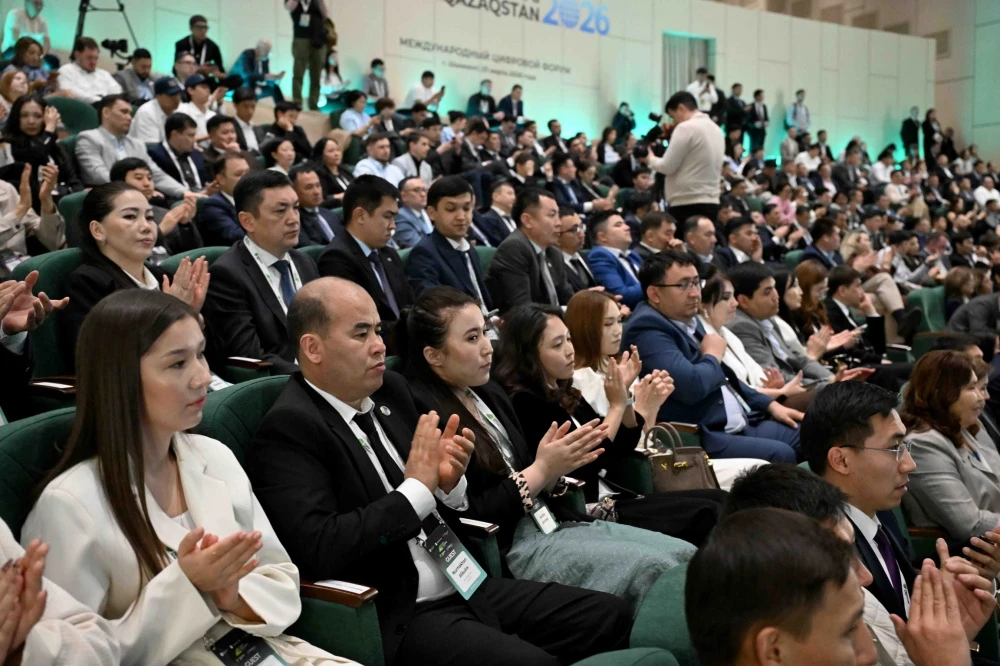
The main goal of the forum is the implementation of artificial intelligence and digital technologies in various spheres, including industry, social services, and education, as well as the development of interregional cooperation and the digital economy at national and Eurasian levels, as noted in the Cabinet's message.