Experts from Tashkent explained that acid precipitation occurs due to the presence of sulfur and nitrogen oxides, which react with water vapor in clouds. These processes are typically characteristic of industrial areas and regions located near emission sources.
When polluted air is transported over long distances, the concentration of harmful substances significantly decreases due to atmospheric turbulence, vertical mixing, and deposition processes. Thus, the formation of acid rain thousands of kilometers away from the source is virtually impossible.
Moreover, precipitation forms as a result of local cloud formation processes, where rain is created from water vapor and aerosols directly above a specific area.
According to meteorological observations and air quality monitoring in Uzbekistan, there is no recorded threat of "acid clouds" being transported to the territory of the republic and neighboring countries.
Uzhydromet urged mass media and social media users to avoid spreading false information and to rely on official sources.
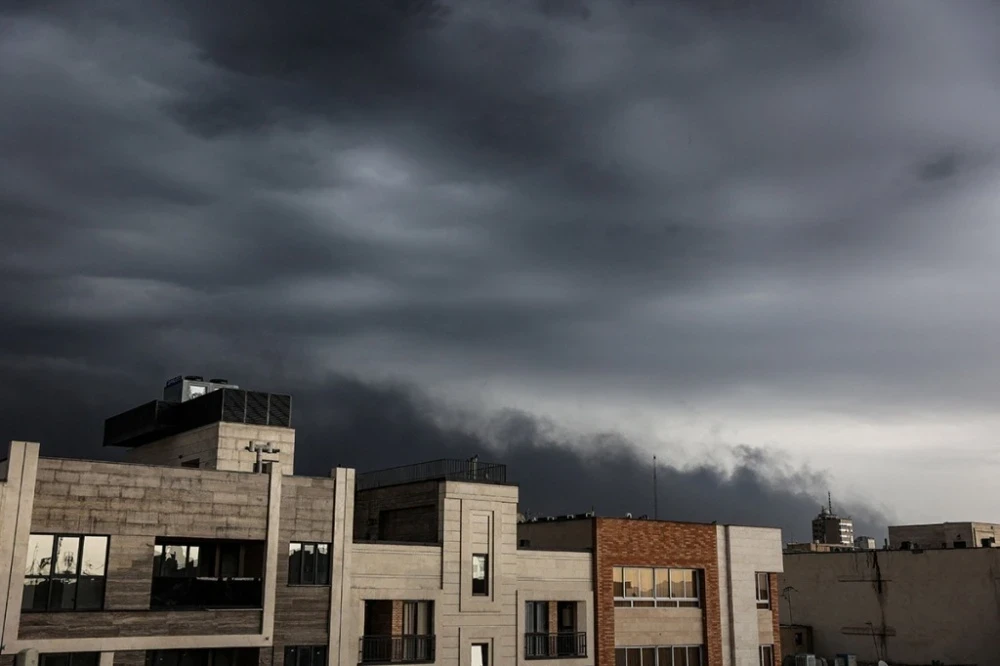
It is worth noting that in Tehran, following attacks on oil infrastructure, powerful explosions occurred and fires broke out at fuel-related facilities. Thick black smoke clouds formed over the city, and residents of some areas reported strange precipitation — the so-called "black rain," which resulted from combustion products.
Source: podrobno.uz