According to information from The Telegraph, countries united in the African Union have begun work on an unprecedented legal claim against former colonial powers. The main goal of this ambitious initiative is to achieve official reparations for centuries of slave trade and colonial rule, relying on recent international court rulings.
African leaders are drawing inspiration from the successful case of Mauritius, which achieved the transfer of the Chagos Islands under its control after the International Court of Justice in The Hague ruled that Britain must end its authority over the territory. Currently, expert groups from the AU in Lusaka are developing a strategy based on using similar UN mechanisms to recognize the transatlantic slave trade as a crime against humanity and to compel European countries to make payments.
According to available information, the total amount of compensation could reach trillions of pounds sterling. Legal experts suggest that actual payments could take the form of debt forgiveness, targeted development funding, or economic partnerships with special conditions, accompanied by official apologies. The appeal is directed not only against the UK but also against France, Spain, and Portugal.
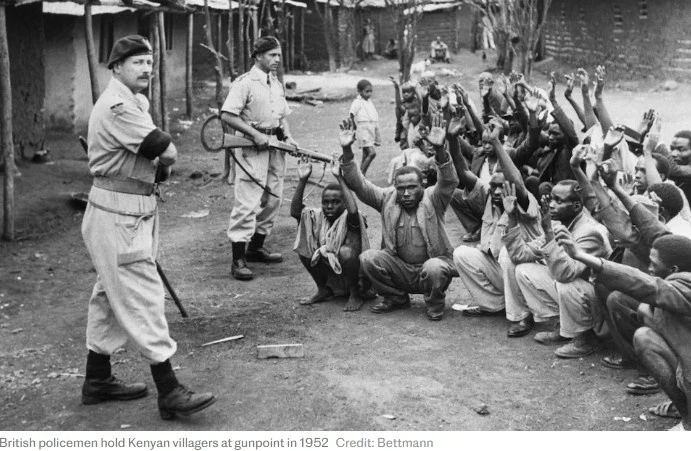
African countries plan to join forces with the Caribbean Community (Caricom), which has long been demanding reparations for "genocide and racial apartheid." Supporters of the claim note that there are legal precedents: for example, Germany paid reparations for the Holocaust, and Britain previously compensated victims of torture related to the Mau Mau uprising in Kenya. Notably, the current Attorney General of the UK, Richard Hermer, has previously acted as a lawyer in colonial compensation cases.
The issue is expected to be raised at the international level on March 25, the day of remembrance for the victims of the slave trade. Ghana's President John Mahama plans to present a resolution to the UN declaring the slave trade the most horrific crime in human history. Since the African Union comprises 55 countries, their collective voting could significantly influence the obtaining of an advisory opinion from the International Court of Justice, which would deprive former metropolises of legal grounds to refuse negotiations.