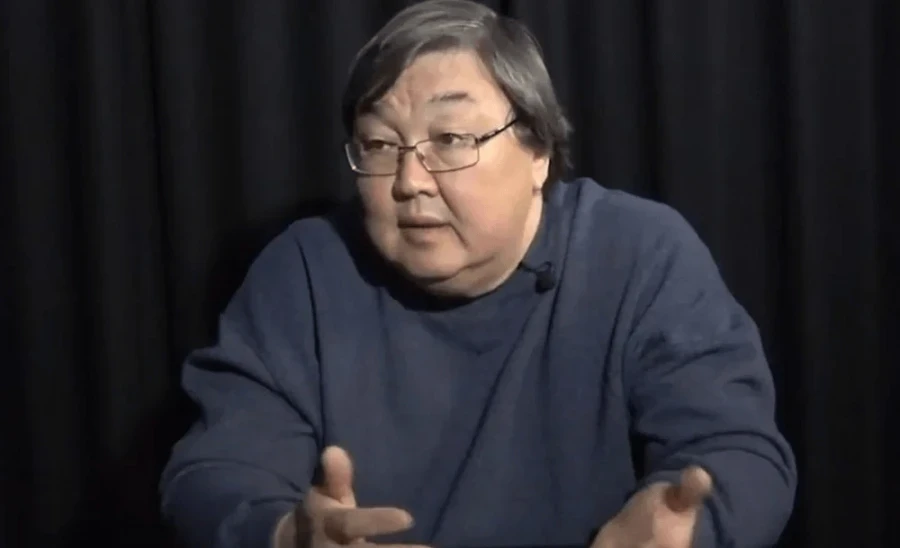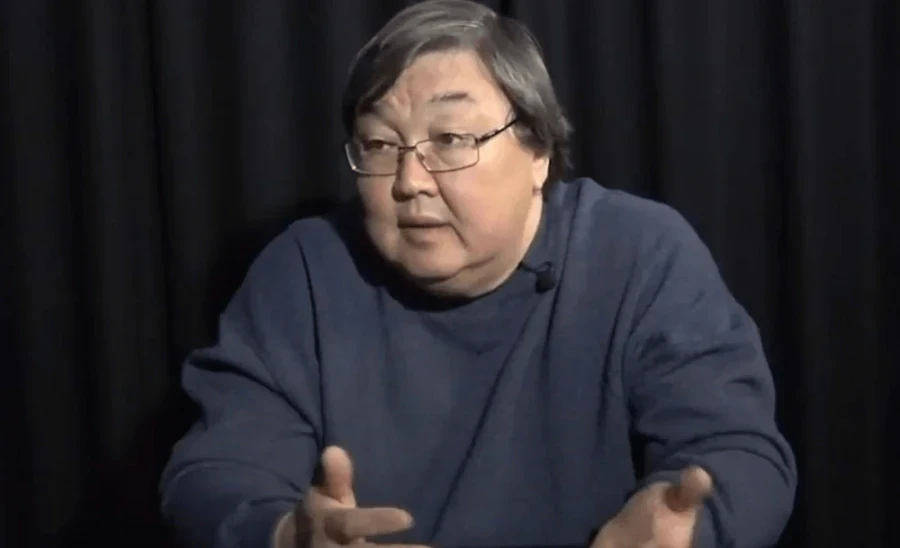
Professor Zainidin Kurmanov discusses how changes to the Constitution of Kazakhstan affect the balance of power and the system of checks and balances.
A referendum in Kazakhstan has concluded, approving amendments to the Constitution, marking a significant step in the renewal of the country's political structure. Experts are actively analyzing the implications of these reforms for the political and institutional framework.
Doctor of Historical Sciences and Professor Zainidin Kurmanov shared his thoughts in an interview with Vesti.kg about the changes that will be implemented in the new constitutional model and how they will affect state governance.
According to him, Kazakhstan is trying to change its approach to governance by moving away from personal power and transitioning from a "super-presidential" model to a more balanced presidential republic with a strengthened parliament. This implies a redistribution of power among various institutions.
Kurmanov notes that one of the key reforms is the deconcentration of presidential powers, which involves limiting the president's authority to prevent excessive concentration of power. In particular, the president will now be able to serve only one term of seven years without the right to re-election.
Another important aspect is the separation of the presidential institution from party politics. According to the new norms, while performing their duties, the president cannot be a member of political parties. Additionally, close relatives of the president will not be able to hold leadership positions in government bodies and the quasi-state sector.
Strengthening the parliament and maslikhats is also a crucial part of the reforms. In the expert's opinion, this will lead to a more effective system of "checks and balances" through the strengthening of legislative power. In this regard, a mixed electoral system is being introduced, allowing self-nominated candidates and activists to participate in the political process. The registration of political parties is also being simplified, which should promote political competition and the establishment of a multi-party system.
The reform also addresses the area of human rights protection. The new draft law aims to improve guarantees of citizens' rights and expand their protection opportunities. In particular, a Constitutional Court is being established, where citizens can file complaints about unconstitutional laws. Moreover, the status of an ombudsman is being introduced to ensure independence from the executive branch. An important step is the final abolition of the death penalty.
Another goal of the reforms is to reduce the centralization of power. This includes expanding local self-government and increasing the significance of regional authorities. Specifically, direct elections of akims for districts and cities of regional significance will be introduced, which should enhance the accountability of local authorities to citizens.
In conclusion, the updated Constitution enshrines the principle that land and subsoil resources belong to the people, and the state exercises ownership rights on their behalf.
Thus, Kurmanov emphasizes, the changes in the Constitution lay the foundation for a new political model for Kazakhstan. The main question now is their successful implementation.