
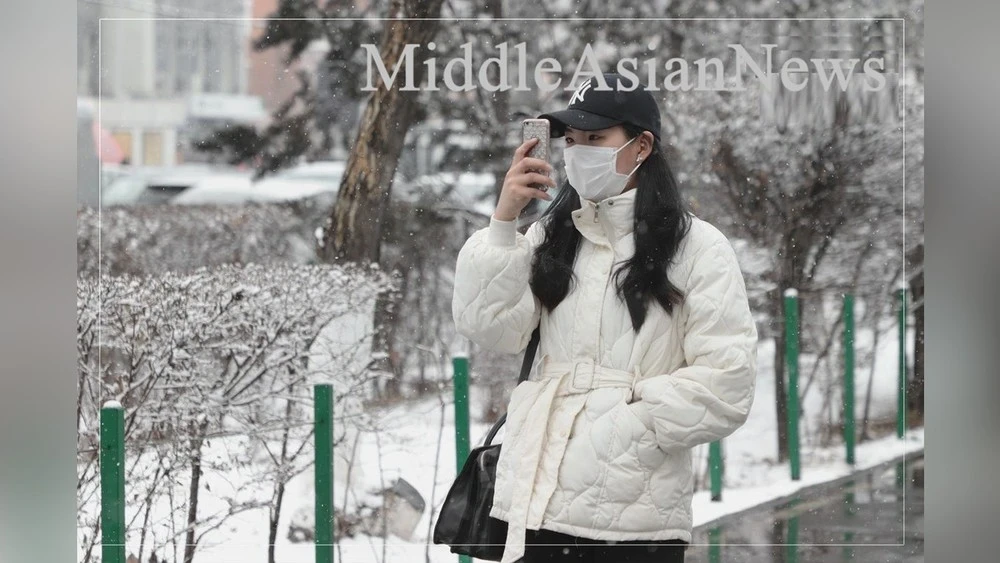
In the current November, Mongolia is experiencing a significant increase in precipitation, which has risen to an average of 8.9 mm, 2.5 times more than last year, and 2.2 times above the long-term average. This makes November the third wettest month since 1940.
According to observations, 81.4% of the country's territory received above-average precipitation, 7.8% received around average, and 10.8% received below-average levels.
The temperature in November drops below zero even during the day. Daytime values fluctuate between 0°C and +1°C, while nighttime temperatures are recorded at -2.5°C. November remains the wettest month in the country with a total of 65 mm of precipitation, including both rain and snow. Winds this month can reach speeds of 4 m/s.
In 2024, precipitation in Mongolia increased from 252.01 mm to 275.82 mm, while the average level for the period from 1901 to 2024 is 230.16 mm. The historical maximum was recorded in 1964 at 295.23 mm, while the minimum level was 165.94 mm in 1944.
The minimum amount of precipitation in Ulaanbaatar is recorded in January with an average of 2.4 mm, while the maximum amount occurs in July.
Precipitation distribution by month:
From May to September (rainy season): 80-90% of annual precipitation. July is the wettest month with the most rainy days (up to 9.7 days in Ulaanbaatar).
October: Rain is possible, but the amount decreases.
From November to March (dry season): precipitation falls as snow. January is the driest month with minimal precipitation (about 0.2 days).
April: The first rains appear, but the season remains generally dry.
Regional differences:
Northern regions (forest): up to 510 mm per year.
Central regions (Ulaanbaatar): about 240 mm per year (July is the wettest, January is the driest).
Southern regions (Gobi): about 100 mm per year; rain may be absent throughout the year.
Tatar S. Maidaar
source: MiddleAsianNews


