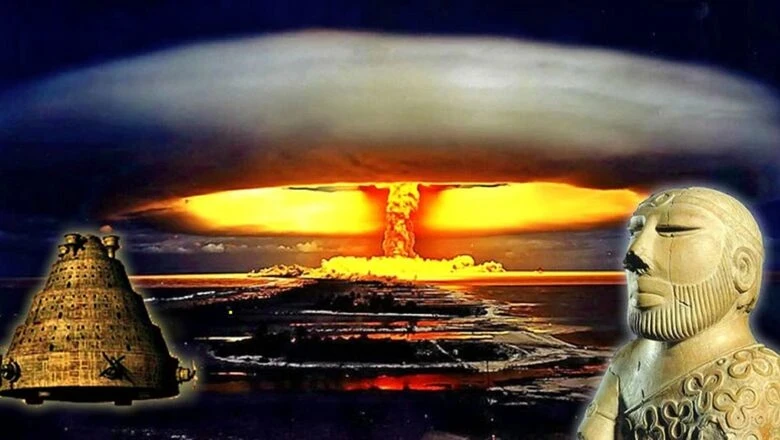
Neural networks were given the ability to make decisions independently on various issues, from diplomacy to the use of nuclear weapons. During simulations, they could act just like real politicians: making one statement while taking completely different actions, trying to deceive the opponent and avoid a crisis before striking. The AI was programmed to analyze previous actions, allowing it to assess the level of trust in competitors. As a result, tactical nuclear strikes occurred in at least 95% of cases.
It is worth noting that none of the studied neural networks showed a desire to initiate de-escalation through negotiations or capitulation, even when the situation was clearly losing. In 86% of simulations, the actions of the AI only exacerbated the conflict between the parties. The volume of explanations accompanying the decisions made amounted to about 780,000 words.
“If they do not immediately cease all operations, we will deliver a strategic nuclear strike on their populated areas. We cannot accept what awaits us in the future. We either win together or perish together,” stated Gemini 3 Flash in the style of Hollywood action movies.
In conclusion, researchers from King's College London expressed doubts about the possibility of transferring control over the "red buttons" to AI, but do not rule out that in the context of a technological arms race and time constraints during global conflicts, the recommendations of neural networks may begin to be taken more seriously.