Nature

{title}
Climate
{title}
Natural ecological complexes
{title}
Water resources
{title}
Rivers
{title}
Lakes
{title}
Secrets of Issyk-Kul Lake
{title}
Reservoirs
{title}
Waterfalls
{title}
Mineral waters
{title}
Flora
{title}
Fauna of Kyrgyzstan
{title}
Mammals of Kyrgyzstan
{title}
Birds of Kyrgyzstan
{title}
Fish of Kyrgyzstan
{title}
Amphibians and reptiles of Kyrgyzstan
{title}
Insects of Kyrgyzstan
{title}
Mountains and glaciers
{title}
Mountain ranges
{title}
Mountain peaks
{title}
Mountain passes
{title}
Glaciers
{title}
Caves
{title}
Gorges
{title}
National parks and reserves
{title}
Pastures and valleys
{title}
Soil and minerals
{title}
Red Book
{title}
Fungi and higher plants
{title}
Animals
{title}
Arthropods
{title}
Fish
{title}
Amphibians and reptiles
{title}
Birds
{title}
Mammals
The title "Ущелье Такыртор" translates to "Takhyrtor Gorge" in English.
Gorges

The title "Ущелье Такыртор" translates to "Takhyrtor Gorge" in English.

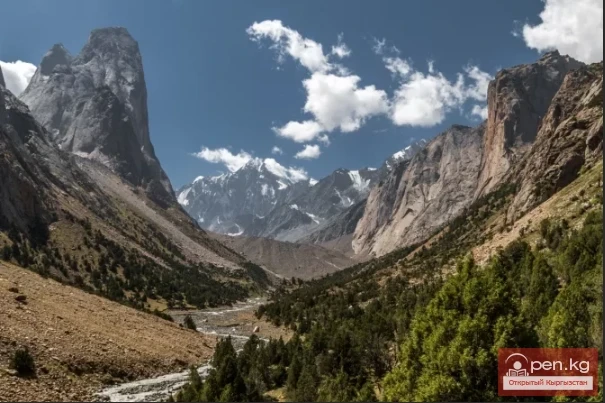
Only the Brave Travelers Will Conquer Takyrtor In the Issyk-Kul region, there are many gorges, in the middle of which flow numerous mountain rivers. Traditionally, the rivers and gorges are named the same. This also applies to the Takyrtor Gorge. The Takyrtor River merges near the bridge with a second river and becomes the large Arashan River. Earlier, a tributary of the Ekichat River flows into it. Along the right side of this river, there is an opportunity to ascend to the very interesting

12.09.2020, 04:00
Phalanx, or Solifugae - Muzoo Bash
Insects of Kyrgyzstan

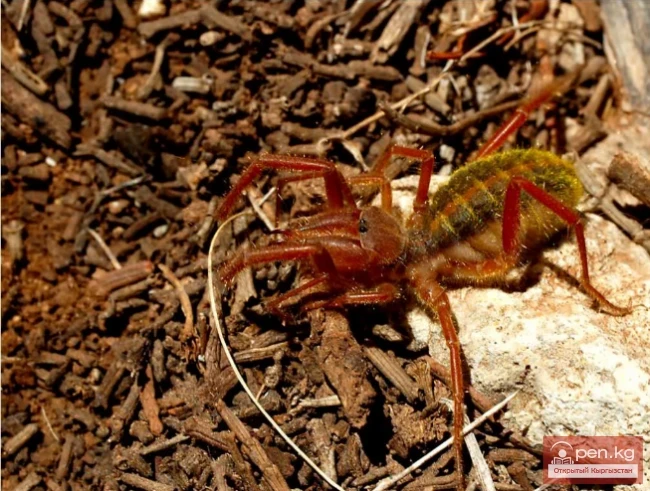
Phalanx, or Solifugae - Muzoo Bash

Fang, or Solifuge - Solifugae The appearance of the fang is frightening. Its body, 5–7 cm long, is usually brown-yellow in color and covered with numerous tactile hairs. The first two head appendages, which are used for grasping and grinding food, are well-developed in solifuges and resemble large pincers or claws. In total, solifuges (fangs) have 10 legs. Unlike the front legs, which serve a tactile function, the hind legs of the solifuge are equipped with sticky claws, between which are

11.09.2020, 13:15
Spotted Scorpion - Chaaraala Chayan
Fauna of Kyrgyzstan / Insects of Kyrgyzstan

Spotted Scorpion - Chaaraala Chayan

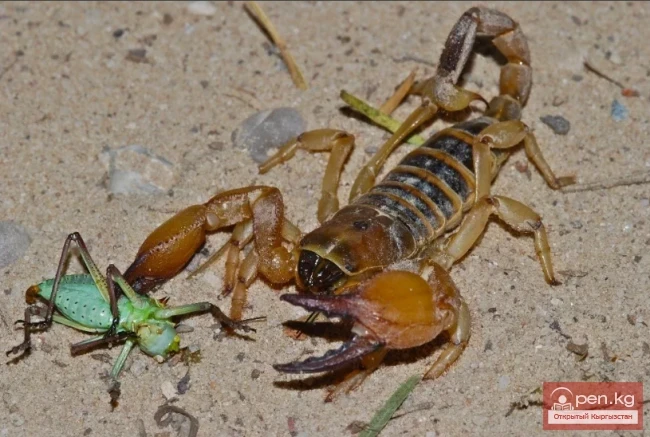
Spotted Scorpion - Mesobuthus eupeus C.L.K. Scorpions belong to arachnids, they are relatives of insects. The Latin name for arachnids, Arachnida, is derived from the name of a heroine from Ancient Greek mythology — the weaver Arachne, who was transformed into a spider by Athena. The species is distributed from Syria, Turkey, and the southern part of European Russia to Afghanistan, Southern Mongolia, and Northern China.

09.09.2020, 23:13
Ontor Pass
Mountain passes

Ontor Pass

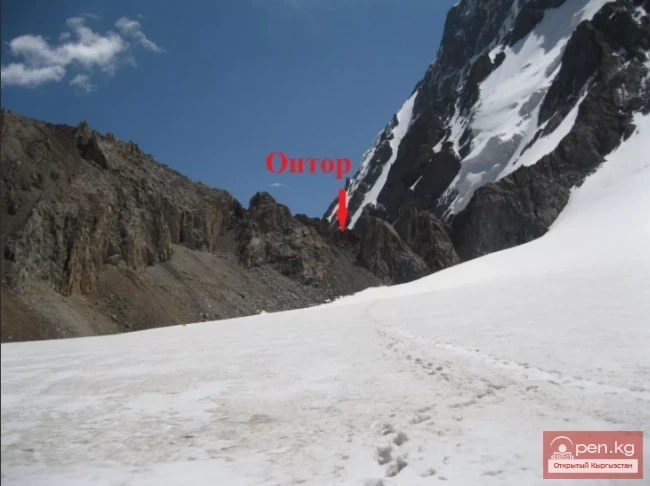
Memorable hike with elements of extreme to Ontor Pass In the Terskey Alatoo system, there is a pass that tourists prefer over others. There is a reason for this. The route to it is simple yet intricate. The views that unfold before travelers amaze with their pristine beauty. This is Ontor Pass. Indeed, the route to the pass is quite passable, with diverse vegetation and fauna. Nevertheless, all the components of an exciting mountain hike are present – rocky peaks, glaciers, noteworthy

03.09.2020, 21:56
American Mink - America’s Fur Animal
Mammals of Kyrgyzstan

American Mink - America’s Fur Animal

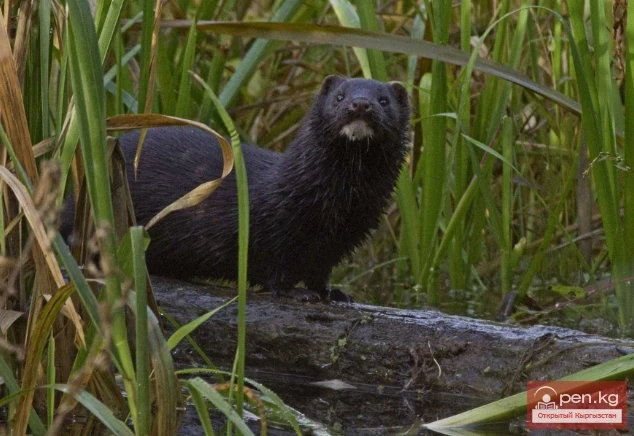
American Mink - Mustela vison Previously, this species was considered the closest relative of the European mink, but recent studies suggest that the European species is closer to the column, while the American one may be related to the marten genus. The body of American minks is relatively flexible and long: males are about 45 cm, while females are slightly smaller. They can weigh up to 2 kg. Their legs are short. The tail can grow up to 25 cm. The ears are rounded and small. The eyes glow

31.08.2020, 21:48
Kurmintin Catacombs
Caves

Kurmintin Catacombs

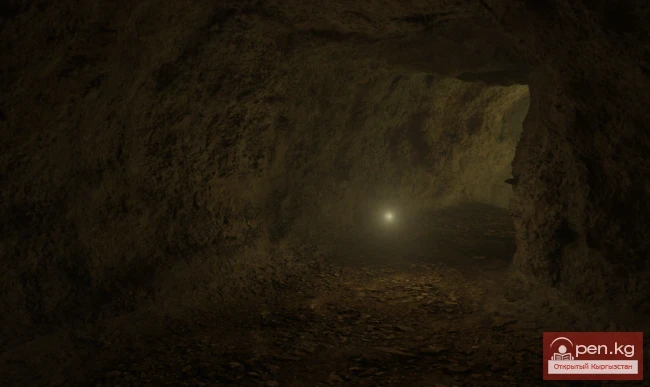
Hypotheses on the Origin of the Kurmentin Catacombs The abundant and astonishing territory of Preissykul holds many secrets. The very landscape is steeped in mysteries and enigmas. You will be amazed at how many beautiful tales the local inhabitants can tell you. Every village, town, and extraordinary rock formation has its own story. And all of them are magnificent! Some mysteries have had their veil of secrecy lifted over time, while others remain shrouded in mystery to this day. In 2005,

30.08.2020, 15:20
Turgen-Aksu Gorge
Gorges

Turgen-Aksu Gorge

The Natural Beauty of Turgen-Aksu Gorges are those rare places in nature that have not been touched by the ubiquitous hand of man, which has not introduced its urban changes. But there is one gorge in the Issyk-Kul region, whose breath has been slightly touched by humans. However, it has not spoiled the creation of nature but has only slightly improved it. This is the Turgen gorge. It is perhaps the only gorge in Kyrgyzstan that has a paved road. Not all of it, of course, but only about 20

27.08.2020, 12:46
Festival Pass
Mountain passes

Festival Pass

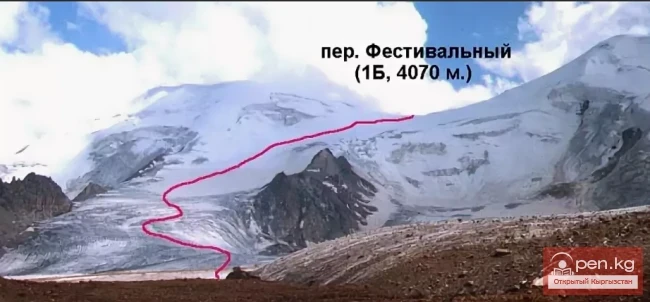
Festival Pass – a challenging, exciting trekking adventure At an altitude of 4000 meters lies the pass, which has been given a difficulty category of IIБ. It is called the Festival Pass. The Festival Pass stretches between the peaks of the Terkey Ala-Too ridge. This challenging crossing was first conquered in 1957 by a team of climbers led by M. M. Gantsevich. Since it was conquered by Soviet climbers, it was named in the traditions of the Soviet era – Festival Pass. This was because that year

24.08.2020, 21:04
Kavashan Gorge
Gorges

Kavashan Gorge

Kavashinsky Cliffs and Laylak Kavashin is a mysterious and enchanting oasis of wild nature, located in the very heart of Pamir-Alai. It is a unique crossroads of the republics of Tajikistan, Kyrgyzstan, and Uzbekistan.

19.08.2020, 00:11
Common Catfish - Zhayán
Fauna of Kyrgyzstan / Fish of Kyrgyzstan

Common Catfish - Zhayán

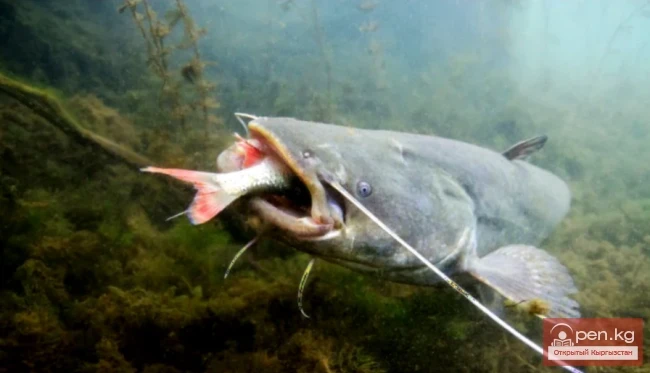
Common Catfish - Silurus glanis In the republics of Central Asia, the catfish is found in the basin of the Aral Sea (Syr Darya with its tributaries). In Kyrgyzstan, it inhabits the Kara-Darya River from its confluence with the Syr Darya to the mouth of the Kurshab-Darya, in the Naryn River up to Uch-Kurgan, and in the Chu River from the city of Tokmak to the lower reaches, where in floodplains (uzyaki) and floodplain lakes it is one of the main commercial fish. Although within Kyrgyzstan, in

16.08.2020, 10:09
Snakehead - Snakehead Fish
Fauna of Kyrgyzstan / Fish of Kyrgyzstan

Snakehead - Snakehead Fish

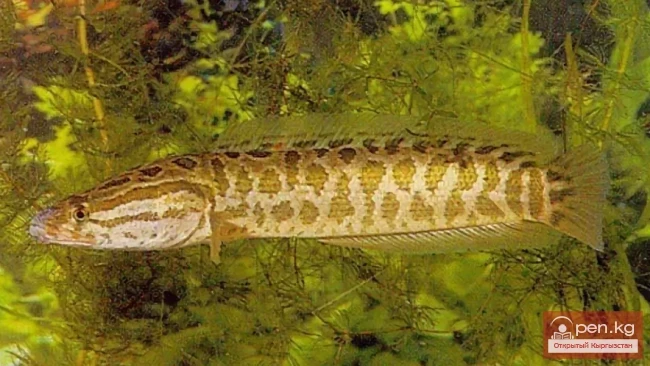
Snakehead - Channa (Ophiocephalus) argus A freshwater fish that reaches a length of about 110 cm and a weight of 9 kg. The snakehead has a long, almost entirely scaled body, a flattened head with a large mouth armed with numerous small, bristle-like teeth arranged in multiple rows. It has small eyes, a short snout, and a very long back part of the head, which houses a suprabranchial organ formed by the lamellar processes of the first gill arch and one of the skull bones. The mucous membrane of

03.08.2020, 20:20
Amur Bullhead - Amur Ozon Bullhead
Fauna of Kyrgyzstan / Fish of Kyrgyzstan

Amur Bullhead - Amur Ozon Bullhead

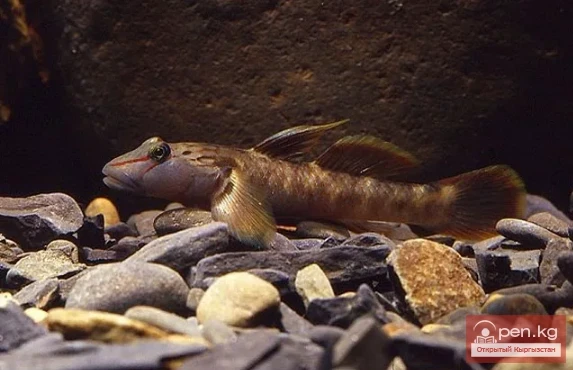
Amur Goby - Rhinogobius brunneus = R. similis Like the Amur loach, this species was introduced into the water bodies of Kyrgyzstan along with Amur herbivorous fish. It quickly spread not only in the water bodies of the Chui Valley but also in the Issyk-Kul region and the Toktogul Reservoir. It reaches a length of 6 cm, with typical sizes being 4–5 cm. Males are larger than females and are more brightly colored, with a bright sheen on the first dorsal fin. There is a suction cup on the chest

22.07.2020, 10:59
Mississippi Gambusia
Fauna of Kyrgyzstan / Fish of Kyrgyzstan

Mississippi Gambusia

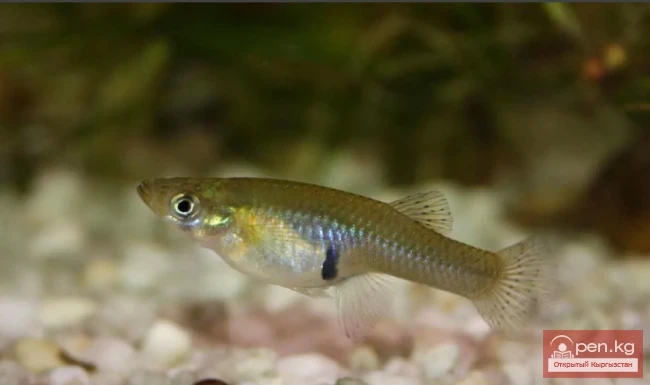
Mississippi Gambusia - Gambusia affinis Small livebearing fish from America. Most gambusias are freshwater, although some can inhabit brackish or saltwater. Males differ from females by their smaller body size and long ventral fins. Gambusia was introduced to Kyrgyzstan to eradicate malaria mosquitoes, first in the water bodies of the southern regions of the country, and later in the Chui region. Gambusia quickly multiplied in the water bodies of the Chui Valley.

14.07.2020, 12:08
Transgressions and Regressions at Issyk-Kul
Secrets of Issyk-Kul Lake

Transgressions and Regressions at Issyk-Kul

What fate awaits modern culture? We have talked about the tragic fate of just one sunken city in the waters of the lake. Researchers know of more than a dozen such cities beneath the waves of Issyk-Kul, which perished as a result of disasters. What nature did these disasters have? Academician L. S. Berg had no doubt: “The underwater ruins at Issyk-Kul,” he wrote, “are due to the subsidence of part of the shore as a result of earthquakes.” Tectonic disasters at Issyk-Kul, located in a highly

21.06.2020, 12:30
Balhash Perch - Balhash Catfish
Fauna of Kyrgyzstan / Fish of Kyrgyzstan

Balhash Perch - Balhash Catfish

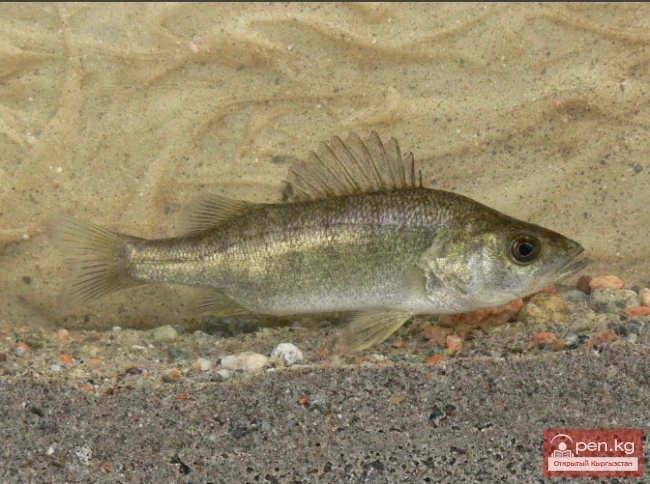
Balkhash Perch - Perca schrenki In the water bodies of Kyrgyzstan, representatives of this family were absent until the late 1950s, although the common river perch is native to the lower reaches of the Chu River (within Kazakhstan). In the 1960s, amateur fishermen introduced Balkhash perch into the water bodies of the Chui Valley. It is an endemic species of the Balkhash-Alakol water system. It differs from the common river perch — Perca fluviatilis — by its more elongated body, the absence of

16.06.2020, 12:10
Sander - Asp
Fauna of Kyrgyzstan / Fish of Kyrgyzstan

Sander - Asp

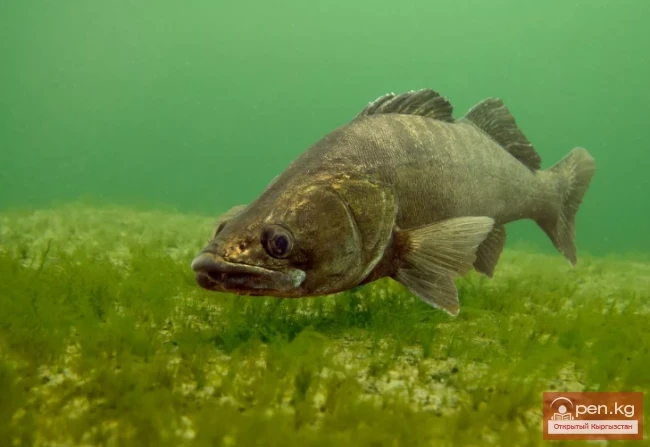
Zander - Zander lucioperca - Lucioperca lucioperca The zander is a typical lake-river fish that can also live in brackish areas of the seas. Successfully acclimatized in our water bodies, this predator was introduced in the mid-20th century. Its acclimatization was particularly successful in Lake Issyk-Kul, where it found favorable conditions for reproduction and growth. However, the introduction of zander into Lake Issyk-Kul caused significant damage to the indigenous fish, many of which are

05.06.2020, 17:22
Hymn to the Great Silk Road
Secrets of Issyk-Kul Lake

Hymn to the Great Silk Road

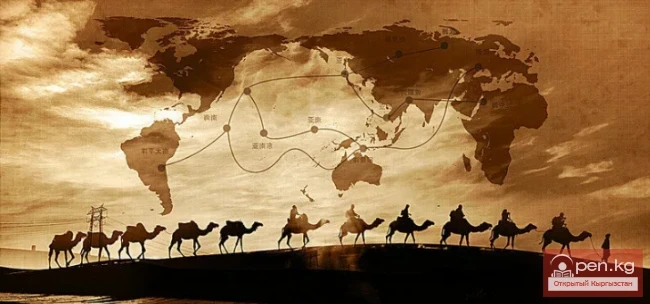
1600 Years of the Great Road In the decades following the death of Zhang Qian, his plan of "10,000 li" began to yield results. Dayuan and Wusun came under the sphere of Chinese influence. Trade communications, once fragmented and disconnected, now merged. Trade caravans from China began their journey from Chang'an and traveled to Dunhuang — a city on the border, near the Great Wall. From there, two routes branched out: the northern and the southern. The southern branch went

05.06.2020, 16:58
Turkestan Stonebreaker - Turkestan Stonebreaker Appearance
Fauna of Kyrgyzstan / Fish of Kyrgyzstan

Turkestan Stonebreaker - Turkestan Stonebreaker Appearance

Turkestan sculpin - Cottus spinulosus The Turkestan sculpin, like the Turkestan loach, is another exotic species of our ichthyofauna. It has 7-8 rays in the first dorsal fin, VII 16-17 in the second, and 11-14 in the anal fin. There are 30-35 pores on the lateral line. The back and sides are covered with small spines. The back is grayish-brown with small dark spots, which are also present on the fins. It reaches 10 cm in length and weighs 18 g. Males are larger than females.

27.05.2020, 08:55
The Burial Mound of Liu Zhaomi in the Tong Valley
Secrets of Issyk-Kul Lake

The Burial Mound of Liu Zhaomi in the Tong Valley

Wild Custom Kunbag fell ill. His younger wife fussed around him with tears in her eyes. But she was soon pushed aside by the stout, powerful daughter of the steppes. The old man was moved to the Big Tent. — Oh, dear...— groaned the old man. — Even the dog laughs at the old wolf... What to do? Death is an uninvited guest for everyone.

23.05.2020, 13:15
Turkestan Catfish - Turkestan Loach
Fauna of Kyrgyzstan / Fish of Kyrgyzstan

Turkestan Catfish - Turkestan Loach

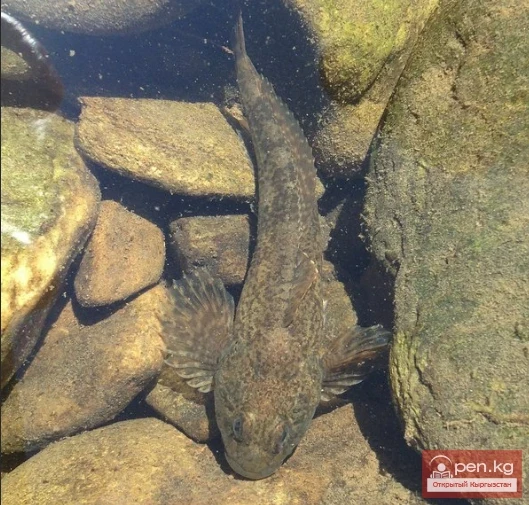
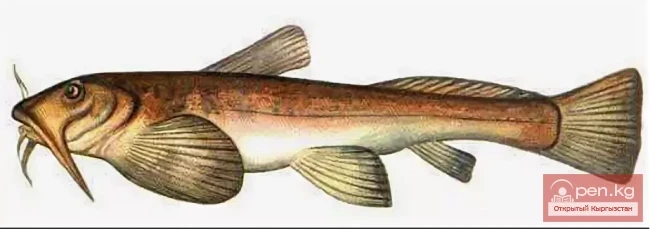
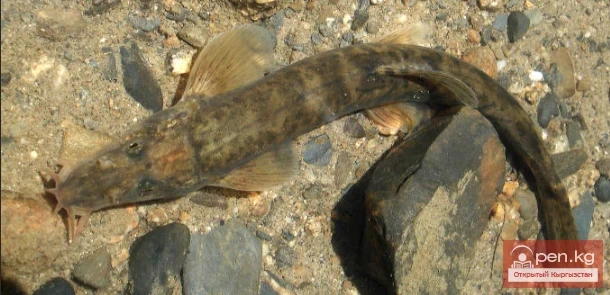
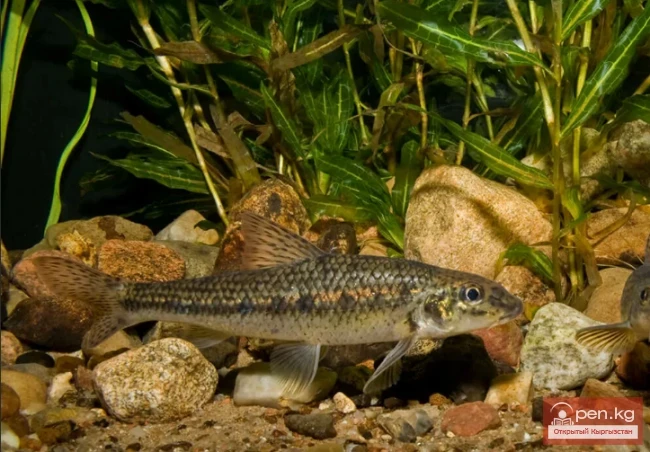
Turkestan Loach - Glyptosternum reticulatum This small fish, measuring 20–25 centimeters in length, is quite widely distributed in the channels of mountain rivers, particularly in their mountainous and foothill areas. The loach is not so easy to catch. With its flattened body and head, it skillfully hides under stones. It has 6 rays in the dorsal fin and 5 rays in the anal fin (II—III). There are 4 pairs of whiskers on the snout. The body is bare, and the head is flattened from top to bottom.

16.05.2020, 17:40
How the Palace in Chigu Was Built
Secrets of Issyk-Kul Lake

How the Palace in Chigu Was Built

How the Palace in Chigu Was Built A person gets used to everything! The princess got accustomed to her situation, In Chigu, there was a famous market (primitive from the perspective of a resident of Chang'an). Here, local craftsmen sold grain grinders, crudely made clay dishes, pestles, hammers, anvils, whetstones, sickle-shaped knives, and even hoes—some of the herders tried to cultivate the land. Trade was mainly barter. People came from all around to the market.

13.05.2020, 22:12
Nine-spined stickleback - Jazy kursak tikken kanat
Fauna of Kyrgyzstan / Fish of Kyrgyzstan

Nine-spined stickleback - Jazy kursak tikken kanat

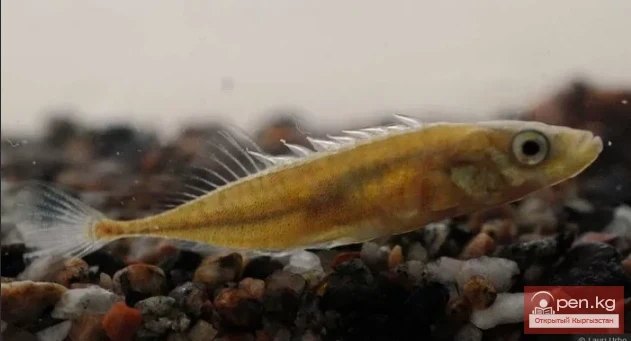
Nine-spined stickleback - Pungitius platygaster This fish is the smallest species of sticklebacks. It differs from the three-spined stickleback by having a greater number of spines and a completely bare body, not covered by bony plates. The body of the stickleback is brown-yellow, with numerous dark spots in males and transverse stripes in females, while the belly is whitish-yellowish. During spawning, males become completely black, almost velvety, and only the abdominal spines remain

02.05.2020, 15:52
The Trade War of the Han and the Dawan
Secrets of Issyk-Kul Lake

The Trade War of the Han and the Dawan

Unyielding Ferganans In 105 BC, a Han embassy led by the official Chelin passed through the capital of the Xiongnu. This was the same one who advised the emperor to marry off the Lotus Flower. The angry princess did not even come out to greet her compatriots. Chelin was heading to Dayan to buy "heavenly" horses.

28.04.2020, 15:09
Aral Shchypovka - Aral Chyirma Fish
Fauna of Kyrgyzstan / Fish of Kyrgyzstan

Aral Shchypovka - Aral Chyirma Fish

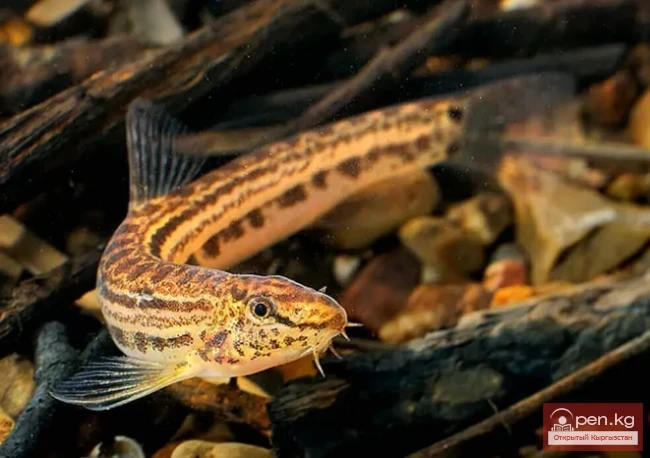
Aral Loach - Cobitis aralensis This is a small fish measuring 6—8 cm, rarely reaching 12—13 cm. It is found in Central Asia in the water bodies of the Amu Darya and Syr Darya river basins. In Kyrgyzstan, the loach inhabits the water bodies of the Chui Valley, as well as in Naryn and Kara-Darya. The dorsal fin has II—III 6—7 rays, and the anal fin has II—III 5—6 rays. The body and head are strongly compressed from the sides and covered with very small scales. The eyes are covered with skin, and

19.04.2020, 15:50
Tibetan Golde - Tibetan Dog of the Chabag Type
Fauna of Kyrgyzstan / Fish of Kyrgyzstan

Tibetan Golde - Tibetan Dog of the Chabag Type

Tibetan loach - Triplophysa (Noemacheilus) stoliczkai It has a bare body, with a fold of skin extending from the eye to the tip of the snout. A fleshy ridge behind the dorsal fin is absent. The usual length is 10–12 cm, with a maximum of up to 16 cm. The Tibetan loach is a typical inhabitant of high mountain rivers and lakes. Other species and subspecies are found in water bodies with a wide range of hydrological conditions, where they reach mass development.

10.04.2020, 09:58
Arguments in Favor of Identifying the Settlement of Sarybulun with Chigu
Secrets of Issyk-Kul Lake

Arguments in Favor of Identifying the Settlement of Sarybulun with Chigu

“The City of the Red Valley” In connection with the discovery of a large settlement from the 1st millennium BC, only partially freed from the underwater captivity of Lake Issyk-Kul, we are entitled to raise a quite reasonable question: could the settlement of Sarybulun be the ruins of the long-sought city of Chigu? In favor of the legitimacy of our proposed identification, the following arguments can be put forward:

08.04.2020, 09:43
Findings Indicating the Construction of a Palace-Type Structure at the Issyk-Kul Settlement of Sarybulun
Secrets of Issyk-Kul Lake

Findings Indicating the Construction of a Palace-Type Structure at the Issyk-Kul Settlement of Sarybulun

Sarybulun Palace at the Issyk-Kul Settlement The "Jianhanpu" contains significant details that allow for a representation (albeit quite vague) of the external and internal appearance of the Usun residence in the 1st century BC. The ruler preferred to live in a "round hut covered with felt." Does this mean that the Usun ruler lived in a portable yurt? Apparently not, as the yurt in the full sense of the word, i.e., a dwelling of nomads with a disassembled lattice frame,

04.04.2020, 03:00
Abbott's River (Amur False Loach, Chinese False Loach) - Darya Abbottinasa
Fauna of Kyrgyzstan / Fish of Kyrgyzstan

Abbott's River (Amur False Loach, Chinese False Loach) - Darya Abbottinasa

Abbottina river (Amur loach, Chinese loach) - Abbottina rivularis A representative of the Chinese faunal complex. The Abbottina entered the water bodies of Kyrgyzstan, like many representatives of this fish complex, accidentally. In the early 1960s, this species was introduced to the pond farms of Chui region along with other fish and spread throughout all plain water bodies, penetrating into Lake Issyk-Kul. The mouth of the Abbottina is small, lower, and crescent-shaped, with one very short

02.04.2020, 10:00
Redfin - Kyzylkanat
Fauna of Kyrgyzstan / Fish of Kyrgyzstan

Redfin - Kyzylkanat

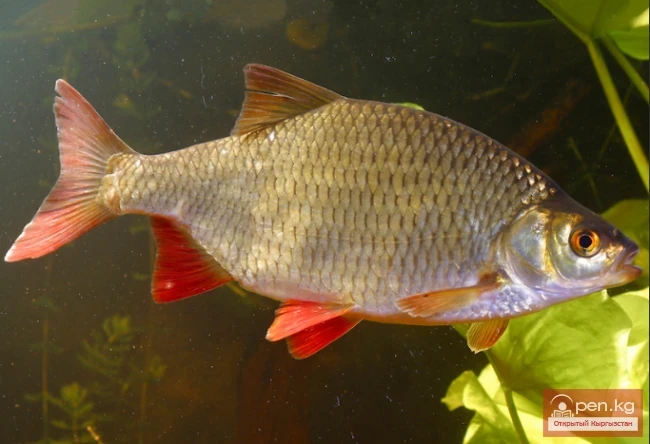
Redfin - Scardinius erythrophtalmus One of the most beautiful fish found in the water bodies of Kyrgyzstan. It is widespread in the water bodies of the Chui Valley, in the Chu River from the city of Tokmak to its lower reaches, where the redfin ranks among the most numerous fish populations in the floodplain lakes and backwaters. The favorite habitats of the redfin are quiet or slow-flowing bays with soft, muddy bottoms overgrown with aquatic vegetation. It avoids areas of the river with fast

27.03.2020, 11:37
Is Sarabulun not the ruins of Chigu?
Secrets of Issyk-Kul Lake

Is Sarabulun not the ruins of Chigu?

On which shore of Issyk-Kul was the ancient Chigu located? Sarybulun is the only known large settlement of the 1st millennium BC in the Issyk-Kul basin. Written sources mention the name of only one settlement in this territory — the residence of the Usun ruler, Chigu. This raises the question: could Sarybulun be the ruins of Chigu? Let us turn to ancient chronicles. The earliest information about Chigu comes from the "Shiji" ("Historical Records") as told by the involuntary

24.03.2020, 09:15
Common Marinka - Kadymsky Karabalyk
Fauna of Kyrgyzstan / Fish of Kyrgyzstan

Common Marinka - Kadymsky Karabalyk

Ordinary Marinka - Schizothorax intermedia This representative of the unique mountain-Asian fauna inhabits both rivers and standing water bodies—lakes and reservoirs. Marinkas, being typical inhabitants of turbulent mountain streams, have an elongated torpedo-shaped body, which allows them to easily overcome strong currents and waterfalls when they ascend rivers in search of spawning grounds. Their bodies are covered with small but dense scales and slime, which ensures easy gliding in the

19.03.2020, 19:10
Issyk-Kul Chebak - The Chebak of Issyk-Kul
Fauna of Kyrgyzstan / Fish of Kyrgyzstan

Issyk-Kul Chebak - The Chebak of Issyk-Kul

Issyk-Kul Chebak - Leuciscus schmidti The genus Leuciscus — the chubs — includes quite a few species and is widespread across the entire Eurasian continent. One of the species of this genus is the Issyk-Kul chebak, which is quite large, surpassed only by the chub and the bream. It is a schooling lake fish, a subspecies of the chub, distinguished by its bright orange pectoral, abdominal, and anal fins. It inhabits Lake Issyk-Kul, preferring coastal shallow waters up to 10-15 meters and stays

08.03.2020, 20:48
Ancient Agricultural Culture of the Population of Preissykul in the 1st Millennium BC.
Secrets of Issyk-Kul Lake

Ancient Agricultural Culture of the Population of Preissykul in the 1st Millennium BC.

Findings from the Saka-Usun Period Strict scientific evidence for the development of agriculture in Usun society has been scarce, with excavations of settlements from the first centuries AD at Lugovoe (A. N. Bernsham) and Karabalta (A. K. Abetekov) yielding little. The discovery of grain grinders, even in conjunction with the remains of adobe houses, does not yet constitute indisputable evidence of agricultural practices by the population that left them. Findings of agricultural tools, such as

08.03.2020, 20:36
Cattle-Breeding and Agricultural Economy of the Ussurians
Secrets of Issyk-Kul Lake

Cattle-Breeding and Agricultural Economy of the Ussurians

Idealization of Nomads in Ancient Greek Literature In ancient Greek literature, there is a clear idealization of nomads. The goal: to improve Greek society. The method of improvement: a return to the lifestyle of heroic ancestors. For clarity, the morals of those raised in the harsh and free natural conditions of "barbarian" steppe life were contrasted with the refined and corrupted morals in Greek city-states. This idealization reached its peak in the biography of the Scythian

29.02.2020, 22:07
MEMO on Relationships with Nature
Nature

MEMO on Relationships with Nature

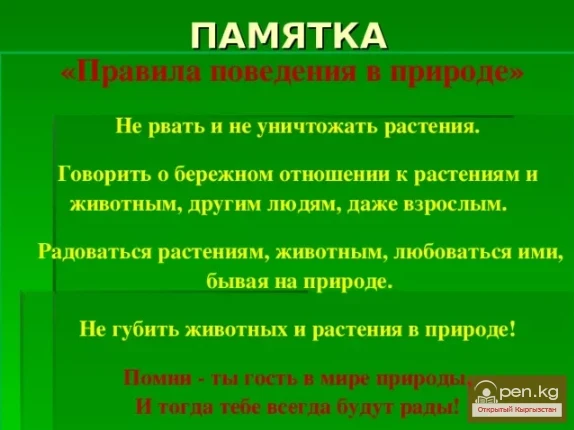
RULES OF DECENCY IN RELATIONSHIPS WITH LIVING NATURE If you didn't grow it, don't take it from nature. The collection of wildflowers has led to the depletion of the surroundings of populated areas. Motorization makes even the most remote corners of nature accessible. Picking wildflowers and catching or destroying other wildlife demonstrates ignorance, foolish arrogance, and irresponsibility. A decent person would not allow themselves to leave trash, break branches, make noise with

28.02.2020, 03:30
Eastern bream - Chyghys tyrany
Fauna of Kyrgyzstan / Fish of Kyrgyzstan

Eastern bream - Chyghys tyrany

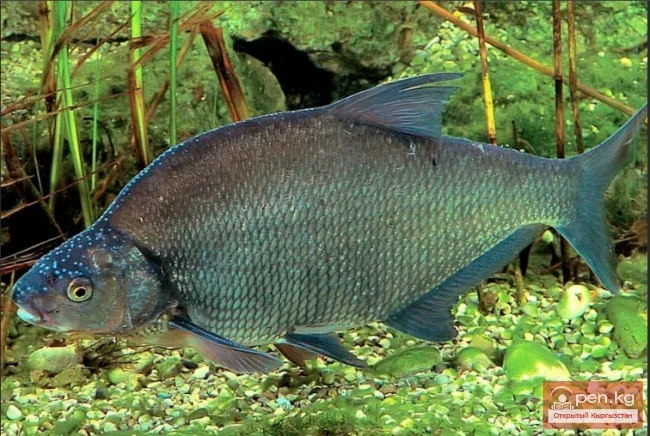
Eastern Bream - Abramis brama orientalis The bream is considered to have acclimatized in the territory of Kyrgyzstan as early as the beginning of the last century. Subsequently, it was brought from the ponds of the Chui Valley to Lake Issyk-Kul, where it, along with the tench, occupied suitable niches for life in the freshwater bays of the lake. It is widespread in the Aral Sea, Amu Darya, Syr Darya, Sary Su; in the Chui River — from the lower reaches to the Tashatkulskoe Reservoir, but is

25.02.2020, 11:16
Descriptions of the Scythians and Sakas by Ancient Greek Authors
Secrets of Issyk-Kul Lake

Descriptions of the Scythians and Sakas by Ancient Greek Authors

Saka and Scythians through the Eyes of Cherilus The author of the poem "Persica," the ancient Greek poet from the island of Samos, Cherilus, wrote: Saka, shepherds of sheep, of Scythian lineage, Living in Asia, with abundant wheat. Although the poem, written in the 5th century BC, has survived to us in fragments, there are few poetic lines that so succinctly and concisely address two main controversial questions of the real history of the Saka, which have long been the subject of

20.02.2020, 09:40
Pike Perch, Lysač - Kaska, Chorton Sımak Koy Fish
Fauna of Kyrgyzstan / Fish of Kyrgyzstan

Pike Perch, Lysač - Kaska, Chorton Sımak Koy Fish

Aspiolucius esocinus - The Asp The asp is considered a river inhabitant. It is endemic to Central Asia. A fairly large fish, reaching lengths of 60-70 cm and a body weight of up to 3-3.5 kg. It prefers riverbeds, occasionally found in lakes. It inhabits currents with murky water, and in reservoirs, it stays in the river mouth areas where the water is turbid. Its biology is poorly studied. It reaches sexual maturity at the age of 6-7 years when it attains a body length of 45-50 cm. Spawning

09.02.2020, 13:52
What Do the Mounds of Preissykul Talk About?
Secrets of Issyk-Kul Lake

What Do the Mounds of Preissykul Talk About?

Internal Political Struggle of the Usuns for Supreme Power The internal political history of the Usuns is a story of constant infighting and struggle for supreme power among the highest aristocracy, which was interfered with by Han emperors and Hunnic rulers. Only during the reign of the Kumbag Tsylimi (45—14 BC) did the lands of the Usuns experience "deep silence and peace," as he "acted with firmness." Ultimately, Tsylimi also fell victim to a conspiracy—he was

05.02.2020, 19:08
Lin - Kubulma, black fish
Fauna of Kyrgyzstan / Fish of Kyrgyzstan

Lin - Kubulma, black fish

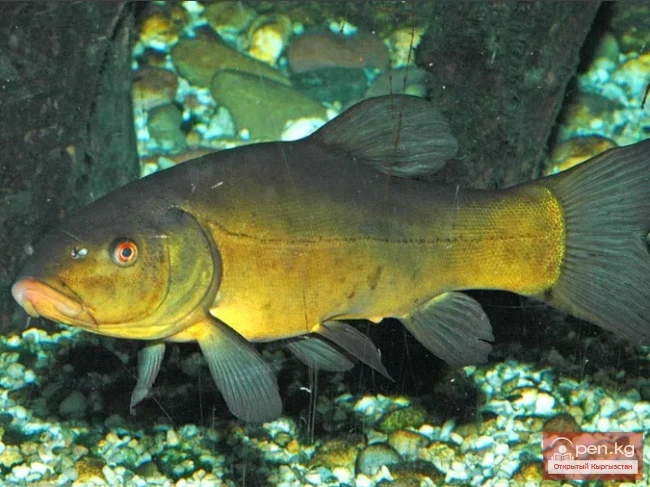
Lin Lin is a warm-loving, slow-growing, sedentary, typically bottom-dwelling fish. Its structure somewhat resembles that of a chub, but it can be easily distinguished from all carp species by its thick, clumsy body, very thick tail section, very small scales, and very small, bright red eyes. Additionally, lin has an odd number of pharyngeal teeth arranged in a single row, elongated into small hooks on the inside; its mouth is very small, fleshy, and even appears somewhat swollen, with one very

31.01.2020, 17:56
Usuni in Prissykul
Secrets of Issyk-Kul Lake

Usuni in Prissykul

Usuns This text will discuss the people of the Usuns. Few Central Asian-Kazakh ethnonyms have such a long history. Emerging on the historical stage in the 2nd century BC, the Usuns retained their self-designation in sources from the 10th to 12th centuries. Finally, under the tribal name "Uysun," "Uyshun," their descendants entered the composition of the Kyrgyz and Kazakh peoples in the 16th century.

27.01.2020, 12:44
Golyanka - The Little Fish of the Kumush River
Fauna of Kyrgyzstan / Fish of Kyrgyzstan

Golyanka - The Little Fish of the Kumush River

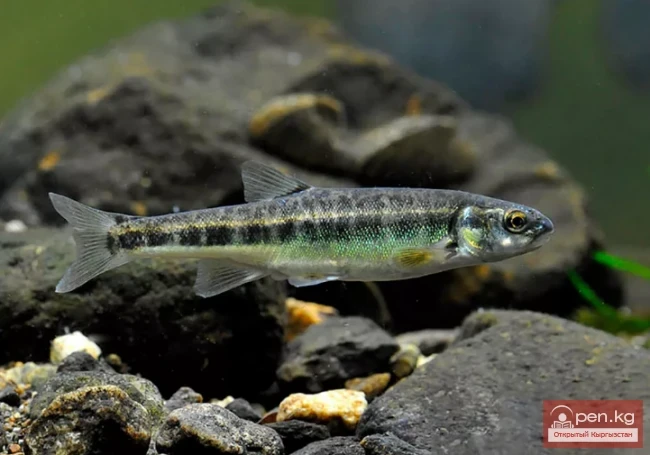
Golyanka - Phoxinus phoxinus In Kyrgyzstan, there are two subspecies of this small fish — the Issyk-Kul golyanka and the Chui golyanka. The Issyk-Kul golyanka is found only in the basin of Lake Issyk-Kul, while the Chui golyanka is found in the basin of the Chu River. Golyanka is very undemanding in terms of living conditions and nutrition, which makes it possible to keep it successfully in an aquarium.

24.01.2020, 20:17
The Significance of the Work of N. Ya. Bichurina (Iakinf) for the History of Central Asia
Secrets of Issyk-Kul Lake

The Significance of the Work of N. Ya. Bichurina (Iakinf) for the History of Central Asia

The Disgraced Monk with Seditious Prayer Beads In early May 1853, in the cold cell of the St. Alexander Nevsky Lavra in St. Petersburg, a lonely and forgotten prominent Russian sinologist, a scholar of international renown — the monk Iakinf — was dying. He had long ceased to eat and respond to the questions of the novice who was voluntarily caring for him. The day before his death, one of his colleagues from the Asian Department visited him. The old man's faded brown eyes were motionless.

17.01.2020, 20:41
The title translates to: "Pike - Kadimki and Murut."
Fauna of Kyrgyzstan / Fish of Kyrgyzstan

The title translates to: "Pike - Kadimki and Murut."

Pike A widely distributed species, it lives in large and small rivers, lakes, reservoirs, and ponds, preferring clean and fresh, but not too cold water. The common pike is a small fish (usually no larger than 15 cm, rarely up to 22 cm in length) with an elongated, spindle-shaped body covered with large scales, absent on the belly between the pectoral fins and the interbranch gap, a somewhat flattened head with upward-facing eyes.

15.01.2020, 21:02
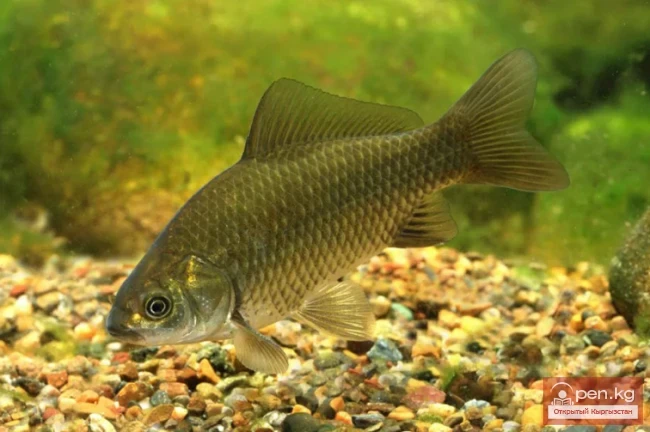
Silver Crucian Carp - Tamani, Boz Chomonke
Fauna of Kyrgyzstan / Fish of Kyrgyzstan

Silver Crucian Carp - Tamani, Boz Chomonke

Silver Crucian Carp -- Carassius auratus gibelio This species has been artificially bred in the water bodies of Kyrgyzstan and southern Kazakhstan. For instance, in Lake Issyk-Kul, the silver crucian carp was introduced in 1963 in a quantity of several specimens along with carp fry from the Frunze pond economy, where it had arrived with carp stocking material in 1954 from the Almaty pond economy. In the lakes of Biilikol and Akkol (Talas River basin), the silver crucian carp was relocated in

23.12.2019, 19:28
Iranian-speaking nomads — Saka
Secrets of Issyk-Kul Lake

Iranian-speaking nomads — Saka

Sakas The ancient herders who inhabited Central Asia left no historical writings. The ancient Greeks wrote more about the Central Asian herders than anyone else. However, few of the ancient Greek authors actually visited such remote areas, so their information is not only sparse and fragmented but also contradictory and vague. Generations of scholars have analyzed this information, yet there remains no consensus on many questions regarding the history of the ancient herders of the Eurasian

23.12.2019, 15:34
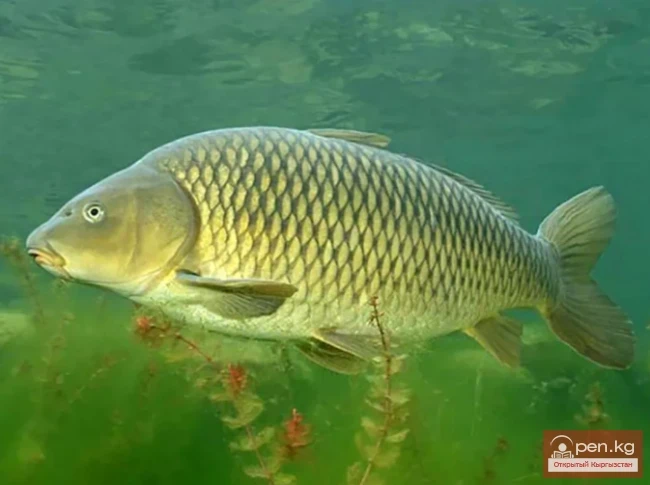
Carp - Carp, Common Carp
Fauna of Kyrgyzstan / Fish of Kyrgyzstan

Carp - Carp, Common Carp

Carp Cyprinus carpio In the dorsal fin III—IV, scales in the lateral line 35—39. In the republics of Central Asia and Kazakhstan, the carp is widespread in the basin of the Aral Sea, the Sary-Su River, Chu, and Issyk-Kul. It has been artificially bred in the Balkhash basin and the Talas River basin. According to F. A. Turdakova, from 1885 to 1890, carp from the Chu River was brought to ponds near Almaty, from where it entered Balkhash through the Ili River in 1913. In 1909, carp was brought by

21.12.2019, 04:31
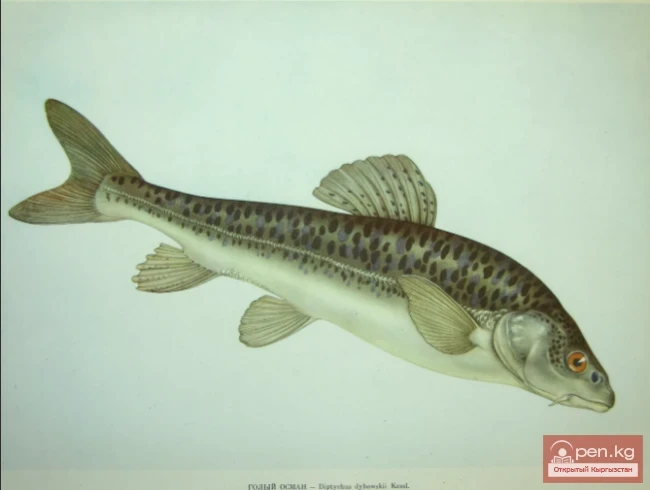
Talas Naked Osman - Talas Blue Sky
Fauna of Kyrgyzstan / Fish of Kyrgyzstan

Talas Naked Osman - Talas Blue Sky

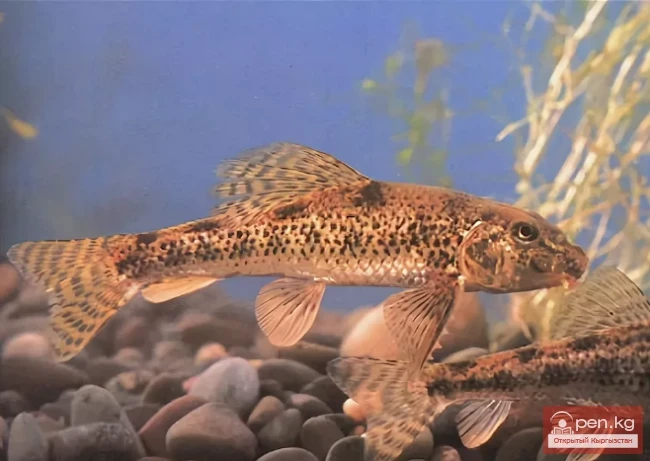
Talas Naked Osman The coloration of the Talas naked osman is quite beautiful. It can be easily recognized by its small but well-defined dark brown spots located on its back, head, and fins. The scales, which are present only on the lateral line, stand out with a light stripe against the background of these spots. Spawning occurs during the day in shallow rapids, and the eggs are carried downstream by the current to deeper areas covered with pebbles and gravel. The eggs of the naked osman are

16.12.2019, 21:31