Personnel changes are sometimes perceived as a routine practice. The signing of a decree, the appointment of a person to a position, and soon the news loses its relevance. However, some appointments hold special significance, especially when they occur against the backdrop of alarming statements from the president.
In an interview, President Sadyr Japarov pointed to the likelihood of a political split, emphasizing that it is not only about disputes in parliament but also about attempts to divide deputies into "ours" and "theirs." Such words serve as a warning signal about the growing tension among the elites.
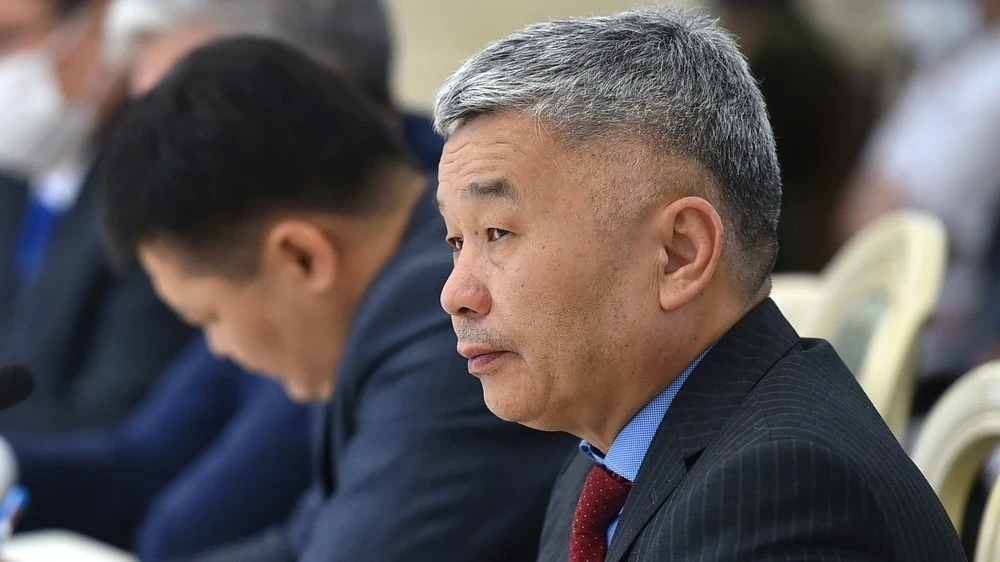
In this context, the appointment of Bektur Zulpiyev as the authorized representative of the president and the cabinet of ministers in the Jogorku Kenesh appears quite significant.
Although this position is not the most prominent, it plays a key role in the daily interaction between parliament and the executive branch. Zulpiyev is engaged in explaining the logic of legislative initiatives, smoothing over conflicts, and preventing crises before they arise.
Thus, his appointment cannot be considered accidental.
Zulpiyev is not known for loud statements or political platforms. Rather, he represents an old-school lawyer who values the ability to see risks and find common ground with various centers of influence. In systems where stability is more important than political improvisations, such specialists become particularly necessary.
Another important aspect is that Zulpiyev has significant experience in constitutional law and participation in reforms of the Basic Law. He can be called the "architect of the rules of the game." In a situation where the rules begin to change, it makes sense to involve someone who understands their structure.
Of course, one appointment cannot instantly change the political atmosphere. Parliament remains a battleground of interests and ambitions. Nevertheless, the emergence of an experienced negotiator may help reduce tension.
The question is not whether the situation will become more comfortable by tomorrow. What matters is whether this indicates that the authorities are aware of the impending difficulties and have decided to act proactively.
In politics, problems are rarely openly acknowledged. Such things are often reflected in personnel appointments.
Thus, Zulpiyev's appointment can be perceived as a cautious signal. The center of power seems to prefer manageable rigidity, focusing on fine-tuning relations with parliament.
The resilience of the system will be shown over time, but the choice of such a figure speaks volumes. Engaging an experienced lawyer at a challenging moment indicates a desire to maintain balance.