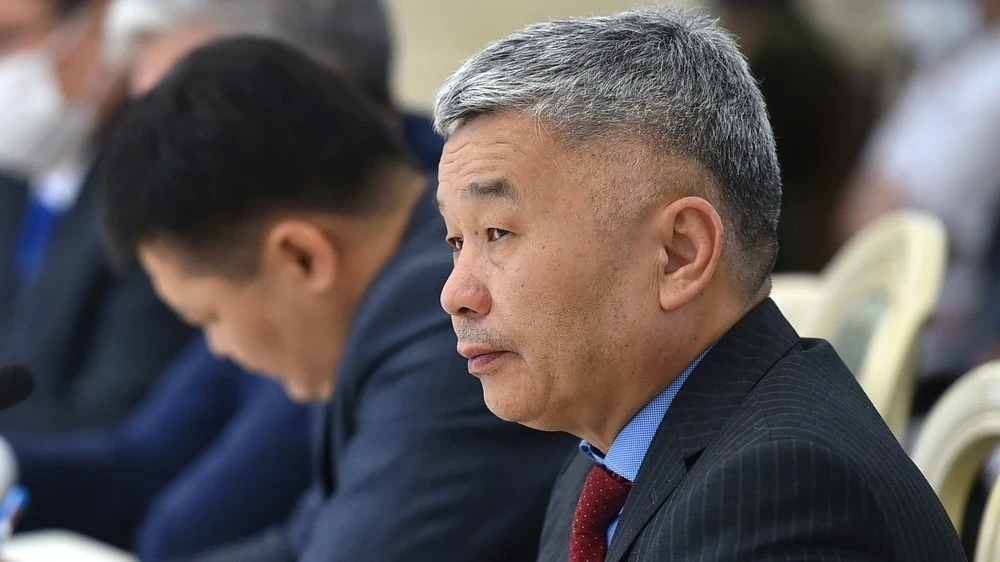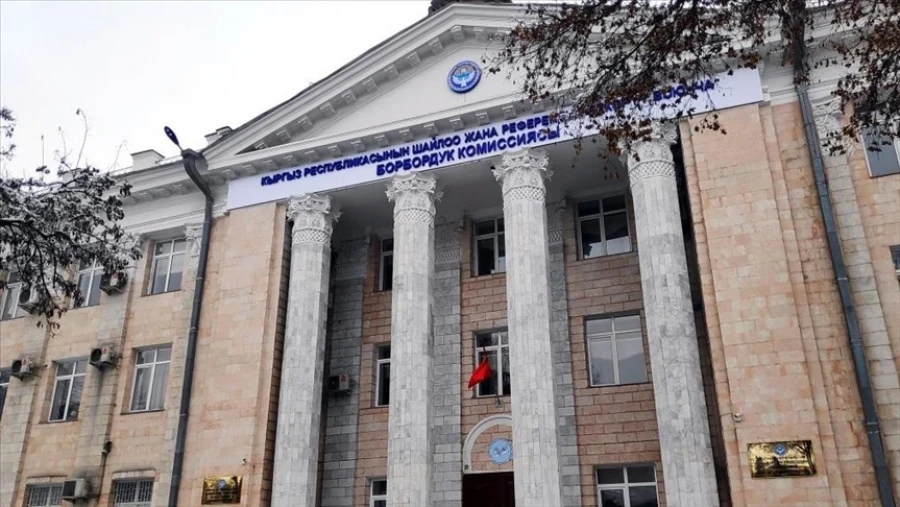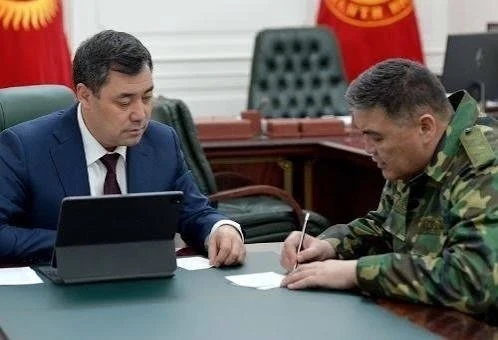
Recent events in Kyrgyzstan's political life, including the resignation of the head of the State National Security Committee (GKNB) Kamchybek Tashiev and the scandalous "letter 75," have become a topic of discussion among several experts and public figures in interviews for "Nomad-TV." This letter was signed by 75 well-known politicians and public activists calling for early presidential elections. One of the signatories was former official Bekbolot Talgarbekov, who had previously made statements about his connections with retired Russian generals.
Political scientist Bakytbek Jumagulov expressed his opinion on the advisability of signals from Talgarbekov, considering that President Sadyr Japarov has established strong partnerships with the Russian leader:
“I cannot confirm or deny that Talgarbekov has such acquaintances, as well as their influence on internal political processes. However, we are strategic partners of Russia, participating in organizations such as the CSTO and EAEU. This means that such actions are generally not welcomed and can be inappropriate. Our partnership is documented and has serious grounds.”
Jumagulov also commented on the attempts of some signatories to distance themselves from the initiative:
“Before signing, I always carefully study the document and only then express my position. When it comes to serious issues like early elections, it is necessary to clearly understand the arguments in order to justify them later.”
Felix Kulov, a former prime minister, shared his views on the reasons for the emergence of "letter 75," mentioning that such intrigues could have arisen after the December Kurultai, where the president spoke about the fight against corruption:
“The situation does not arise out of nowhere. The president spoke about some employees exceeding their authority, which caused discontent. He suggested that people come to him with complaints. It is obvious that problems arose in the regions, and some employees, concerned about their fate, decided to use this time to ease the tension by appealing to politicians and lawyers with an initiative for early elections, even though there were no grounds for this.”
In Kulov's opinion, deputies and a number of politicians later got involved in this intrigue. When the president noticed that the situation threatened the chairman of the GKNB, he called Tashiev to inform him of the need to take action.
“Kamchybek Kadyrshaevich understood this,” Kulov added.
He also commented on how sincere the attempts of the initiators of "letter 75" to withdraw from their initiative appear:
“Some told me that everything was done in the interests of the state. However, they did not take into account all the details of the document, which is quite extensive. I believe that the text is legally illiterate and does not justify the need for early elections. In the end, the results speak for themselves.”
Regarding Bekbolot Talgarbekov and his statements about connections with Russian generals, Kulov expressed the opinion that:
“He seems to be saying such things without much understanding. But, unfortunately, his words were taken seriously, and people signed the appeal, which led to unpleasant consequences.”
Speaking about the relationships between political figures, Kulov noted:
“I believe that the president was sincere. They have a strong friendship, and they made promises to each other. However, in politics, sometimes decisions must be made based not on personal interests, but on the interests of the state. And that is exactly what the president did.”
Highlighting Tashiev's quick return to Kyrgyzstan, Kulov emphasized:
“He acted in the interests of the state to prevent any manipulations. His arrival was necessary to set everything straight and remove those who made mistakes in this situation. I believe he did the right thing.”
Doctor of Political Science and Professor at the Diplomatic Academy of the Ministry of Foreign Affairs of the Kyrgyz Republic Kubat Sultanbekov also shared his views on the political processes in Kyrgyzstan with "Nomad TV."
He noted that Tashiev's return demonstrates the absence of any persecution in this situation:
“This confirms the friendly relations between them. Their connections have a long history and have been maintained over the years. This is a big plus in politics, as such relationships are not always stable. There have been no serious conflicts between them in the last five years, which underscores the depth of their relationship.”
Sultanbekov also added that:
“The responsibility they have taken on is great. For five years, they have promised the people to ensure stability and prevent a repetition of the events of 2005 and 2010. They must realize that destabilization will bring no benefit to anyone. I am confident that stability in the country will be maintained, and reforms will continue.”