The year 2025 was significant for ichthyologists, who discovered 309 new species of freshwater fish. As stated in the report, this is the best result in the last eight years. These species were found on all continents except Australia and Antarctica, with the highest number of new fish—165 species—registered in Asia, as reported by N+1.
According to scientists' estimates, there are more than 20,000 species of fish in the world, which can inhabit both freshwater and saltwater. This number continues to grow as ichthyologists regularly find new species. For example, a few years ago, the largest cave fish in the world—Neolissochilus pnar, belonging to the carp family (Cyprinidae)—was discovered in underground water bodies in the Indian state of Meghalaya.
According to a report published by SHOAL, 309 new species of freshwater fish were described in 2025, making it the third-largest result in the history of ichthyology. On average, about 250 new species are discovered each year in the 21st century.
New species of freshwater fish were found on all continents except Antarctica and Australia, in a variety of ecosystems such as rivers, swamps, and caves. The highest number of discoveries was made in Asia, where ichthyologists described 165 species, followed by South America (91 species), Africa (30 species), North America (20 species), and Europe (3 species).
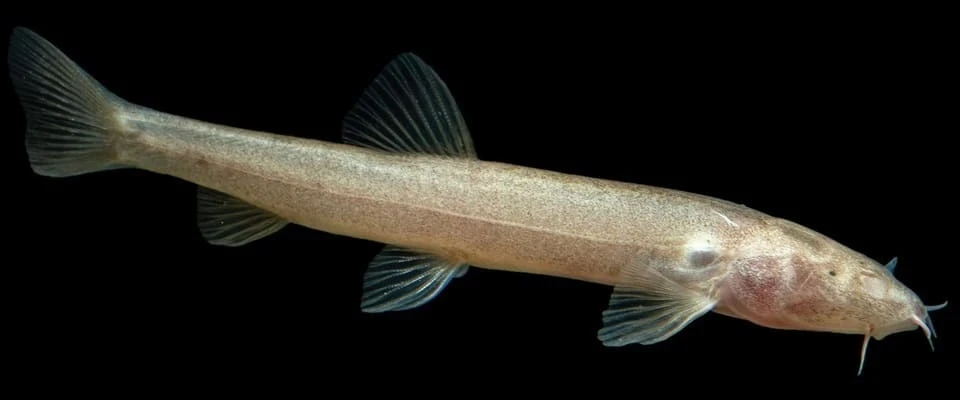
Among the most unique species discovered in 2025 are Triplophysa yangi and Claea scet from the family Nemacheilidae. These fish inhabit caves in China—in the provinces of Yunnan and Sichuan—and are adapted to life in darkness, lacking pigmentation and eyesight.
Claea scet" width="559" height="233" />
Claea scet
Jia-Jun Zhou et al. / Zoosystematics and Evolution, 2025
In the southeast of the Democratic Republic of the Congo, ichthyologists discovered four new species of Nothobranchius: N. iridescens, N. katemomandai, N. marmoreus, and N. dubiensis. These fish inhabit temporary water bodies that form during the rainy season, grow, mature, and spawn before dying when the water bodies dry up, with their eggs surviving until the next season.
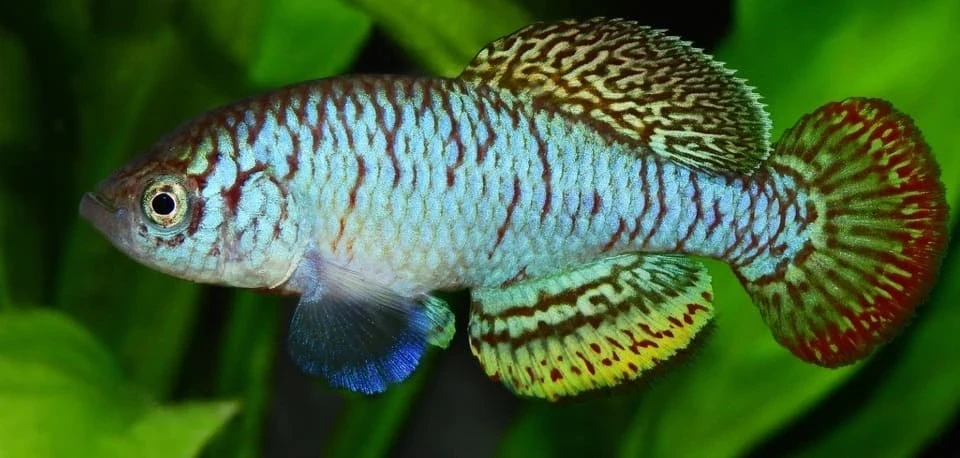
Nothobranchius Nothobranchius iridescens
Béla Nagy / SHOAL New Species 2025
Unusual species were also found in the water bodies of South America. For example, the tetra Inpaichthys luizae, known to aquarists, received a scientific description only now; the armored catfish Baryancistrus isaaci and B. quilombola; as well as the armored catfish Hoplisoma noxium. The electric fish Microsternarchus javieri, capable of navigating and communicating with relatives through weak electrical impulses, was also described. Among the discoveries in North America, the chub fish Moxostoma ugidatli stands out, reaching a length of about 60 centimeters, making it the largest freshwater fish described in the last 100 years.
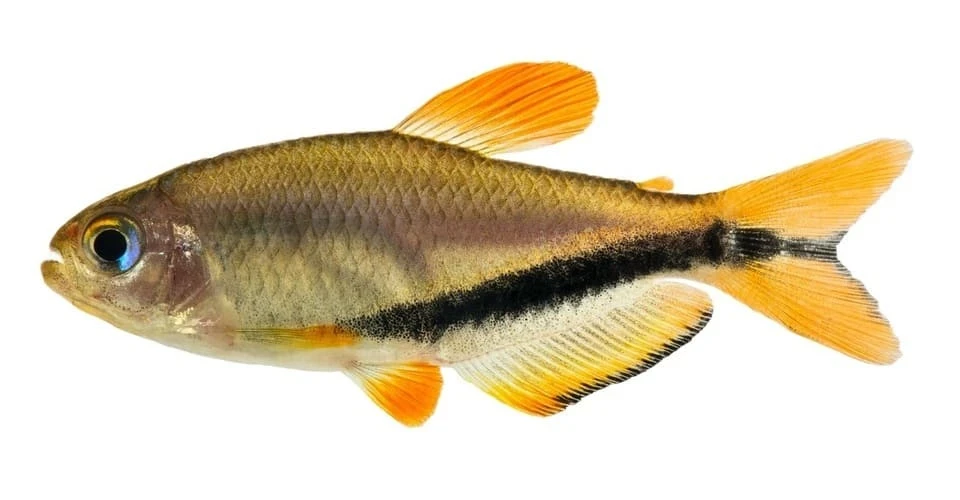
Tetra Inpaichthys luizae
Fernando Cesar Paiva Dagosta / Neotropical ichthyology, 2025
The authors of the report emphasize that freshwater fish face serious threats such as overfishing, habitat loss due to dam construction, deforestation, and the expansion of agricultural land, as well as pollution of water bodies and climate change. This also applies to recently discovered species. For example, the Nothobranchius Nothobranchius sylvaticus from Kenya has already been recognized as endangered.
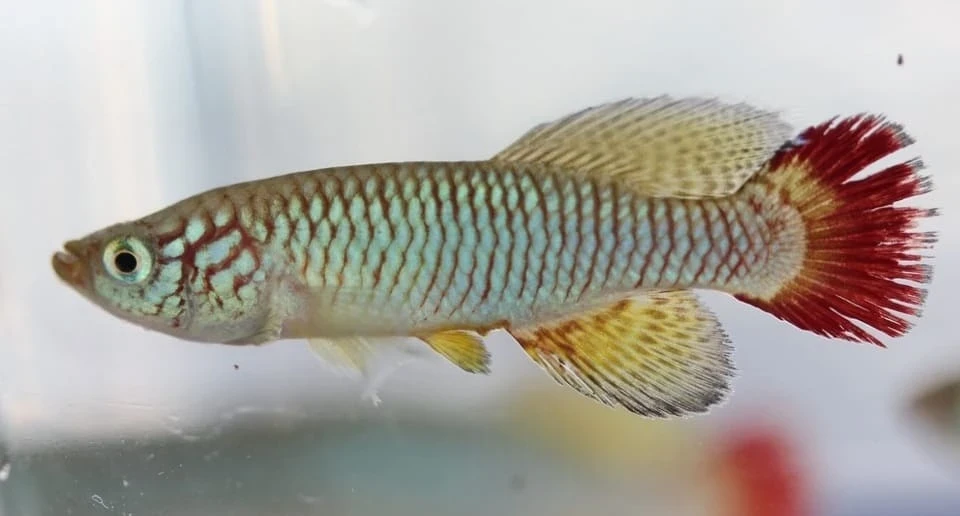
Nothobranchius Nothobranchius sylvaticus
Dirk U. Bellstedt et al. / Zootaxa, 2025
Recently, ichthyologists rediscovered the rivulid fish Moema claudiae from Bolivia. This species was described in 2003 based on eight specimens caught at that time. It had not been encountered by scientists for many years, and the only known habitat was destroyed for agricultural purposes. However, in 2024, a new population of M. claudiae was discovered about 100 kilometers northwest of the original location.
The record "Ichthyologists described 309 new species of freshwater fish in 2025" first appeared on K-News.