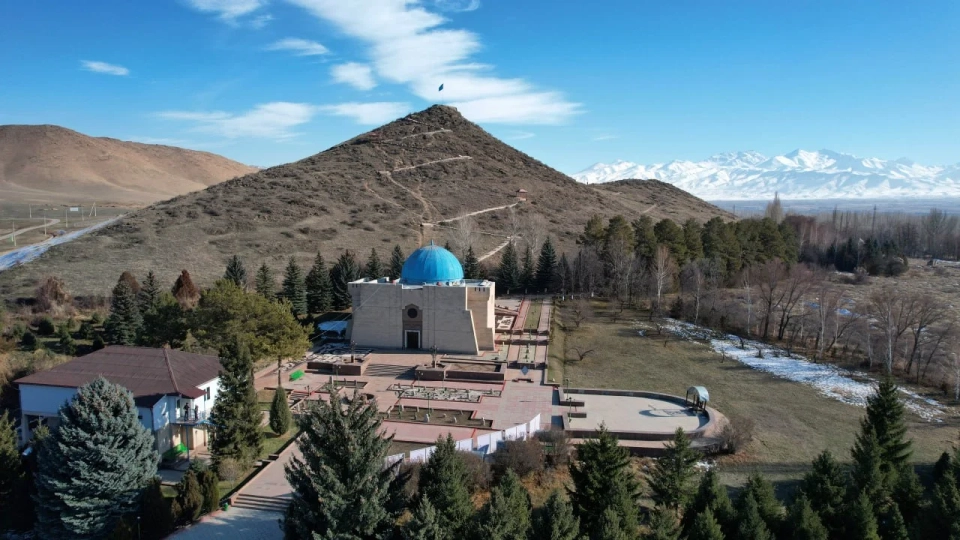
The mayor's office of the capital of Kyrgyzstan has presented for public discussion a draft government resolution concerning the approval of the General Plan for the city of Bishkek until 2050.
This document aims to define strategies for the socio-economic, spatial, and infrastructural development of the capital in the long term.
According to the report, the General Plan will serve as the main guideline for territorial planning, ensuring a unified approach to Bishkek's urban policy until 2050. Its main goals include sustainable and balanced development of the city, creating a comfortable and safe environment for residents, developing engineering, transport, and social infrastructure, as well as preserving the natural and cultural heritage of the capital.
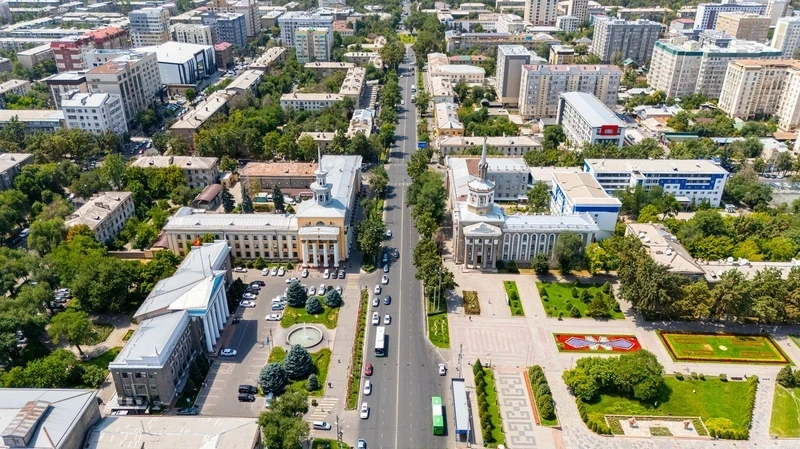
According to the document, as of January 1, 2025, the population of Bishkek is 1 million 321.9 thousand people. By 2050, this number is expected to increase to 1 million 920.0 thousand, which will require comprehensive and proactive development of urban infrastructure. The area of the city within established boundaries is 41,081.33 hectares.
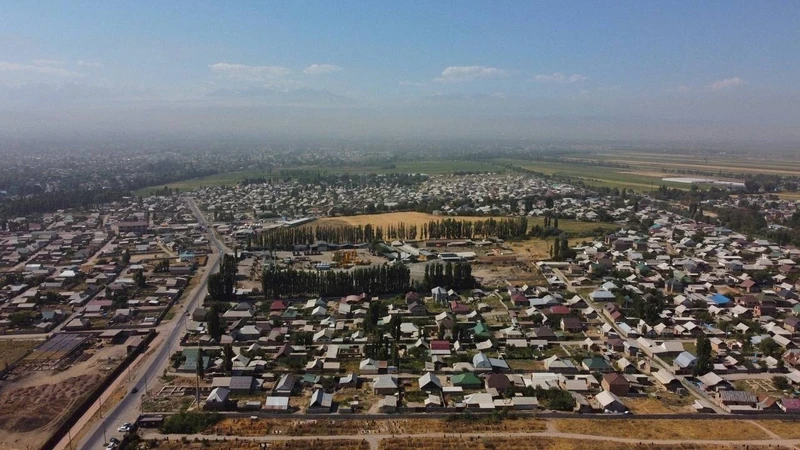
Particular attention is paid to the development of the Bishkek agglomeration, the population of which may reach 2.5 million people. The General Plan includes the development of a system of agglomeration centers, transport links, and the redistribution of jobs outside the core of the agglomeration.
In the economic section of the document, it is proposed to increase the workforce to 1 million 179.1 thousand people, the employed population to 943.3 thousand, as well as the creation of 349.4 thousand new jobs in sectors such as industry, transport, construction, social sphere, and services.
The General Plan includes large-scale development of transport infrastructure, including the reconstruction of the "Manas" airport, the construction of a bypass road, a railway line around built-up areas, as well as improvements to the street and road network with an emphasis on the development of public transport.In particular, it is planned to create three systems of rapid public transport with increased capacity: urban rail transport along the route "West – Center – East," light rail transport (tram), and bus rapid transit (BRT), as well as transport interchange hubs of various levels.
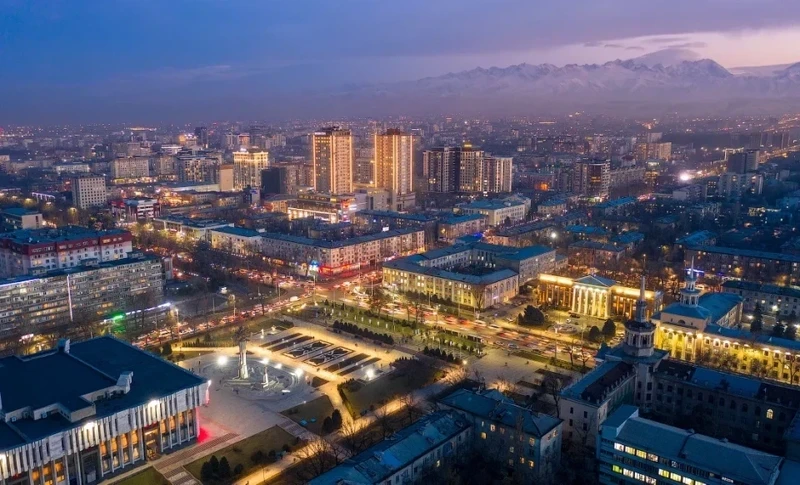
As noted in the project, the approval of the General Plan for Bishkek until 2050 will create a legal and planning foundation for the implementation of large investment and infrastructure projects, as well as contribute to improving the quality of life for residents and the sustainable development of the capital.