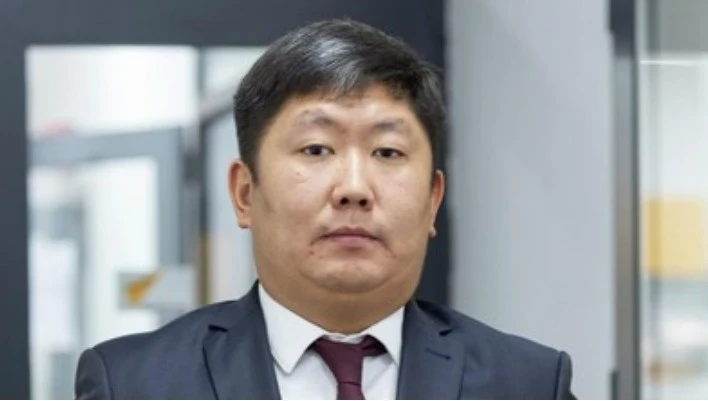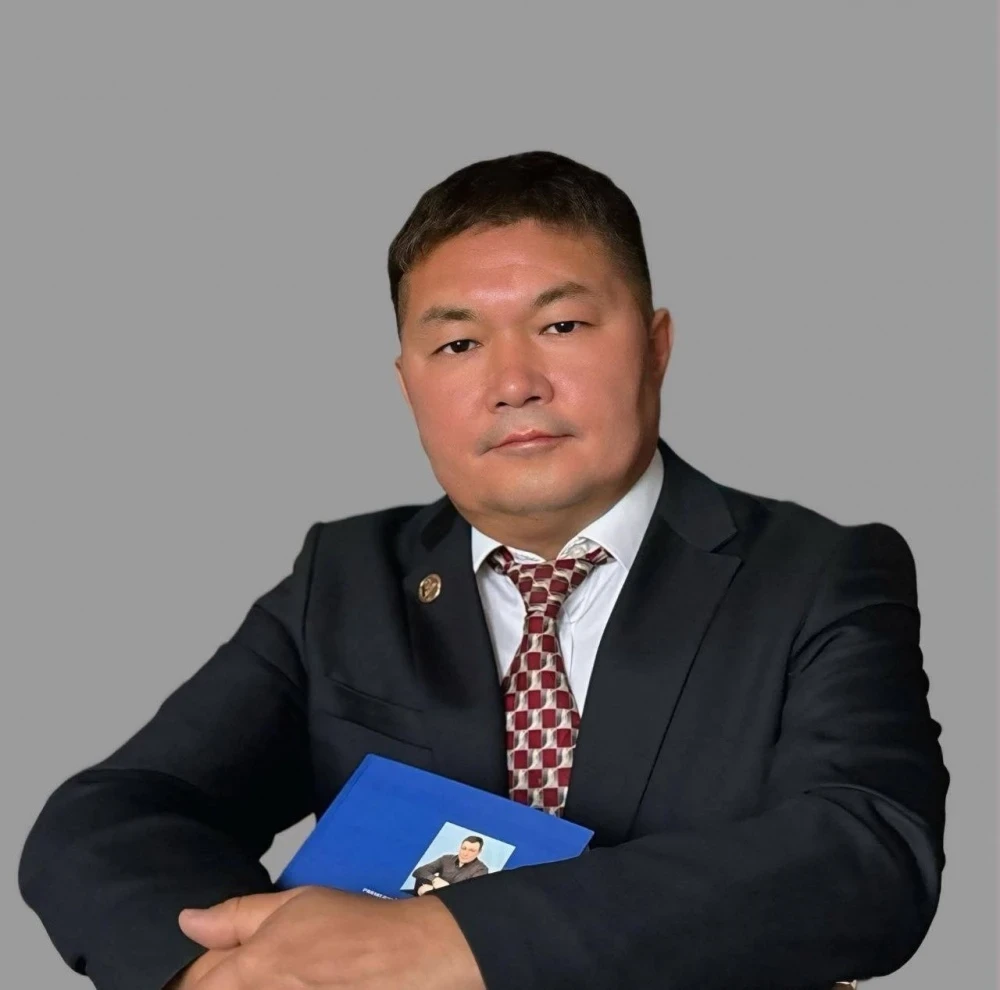
At the end of January 2026, active discussions arose in Kyrgyzstan, timed to coincide with the fifth anniversary of Sadyr Japarov's presidency. The discussions are focused on issues of the legitimacy of presidential power and the timing of possible elections, both regular and extraordinary. Kairat Osmonaliev, Doctor of Law and Honored Lawyer of the KR, emphasizes that it is the differences in constitutional models that have prompted these discussions.
He reminded that Japarov was elected in January 2021 according to the Constitution adopted in 2016, which established a term of six years. However, the new Constitution, which came into force on May 5, 2021, limits the presidential term to five years.
“Some experts and political scientists suggest the existence of a legal conflict and question the legitimacy of the president. Nevertheless, from a legal point of view, the situation has already been regulated. According to the Law of the KR dated May 5, 2021, No. 59 'On the Implementation of the Constitution of the KR', part 1 of Article 3 states that the president elected in 2021 for six years will exercise his powers under the new Constitution, and his term is counted as the first. Therefore, there are no grounds to doubt the legality of his powers,” noted Osmonaliev.
The professor also emphasized that the legality of power does not always coincide with legitimacy, which implies public recognition and trust in power. Legitimacy, unlike legality, is more related to social and political aspects.
“Currently, the president holds leading positions in public trust ratings, indicating the presence of both legality and legitimacy. However, there are various support figures — from 30% to 80% and above, but the methodology of surveys is often not disclosed, making it difficult to objectively analyze the level of trust. In the run-up to the elections, the question of legitimacy may again become relevant for the opponents of power and be used in political struggle. Therefore, experts express the opinion that extraordinary elections would be advisable to eliminate doubts and renew the mandate of trust,” added Osmonaliev.
The lawyer also recalled that at the end of 2019, at one of the meetings, he gifted Sadyr Japarov the book "Why Nations Fail," written by economists Daron Acemoglu and James Robinson.
“At a subsequent meeting in December 2020, the president reported that he had familiarized himself with this work. However, how the ideas from the book have been applied in practice is a topic for separate discussion. Nevertheless, the economic steps being taken and the growth rates indicate the authorities' attention to the institutional aspects of development. At the same time, discussions continue on issues such as rising prices for essential goods, disputes over governance reforms, the availability of housing under the state mortgage program, environmental problems, and the state of freedom of speech. All these issues may negatively affect the level of public trust in the future,” noted Osmonaliev.
Considering the political experience of Kyrgyzstan, where elections are often accompanied by instability, the question of the legitimacy of power becomes particularly relevant.
“At the moment, there are no signs of an acute crisis, and therefore some experts view early elections as a preventive measure to stabilize the situation. Similar measures have been taken by other leaders in the region: Vladimir Putin in Russia (2024), Kassym-Jomart Tokayev in Kazakhstan (2022), Shavkat Mirziyoyev in Uzbekistan (2023), and Ilham Aliyev in Azerbaijan (2024). In all these cases, early elections served as a tool for renewing the mandate of trust and strengthening power. The question of the advisability of such elections in Kyrgyzstan remains open and requires a balanced discussion, free from emotions and political manipulations,” concluded Kairat Osmonaliev.