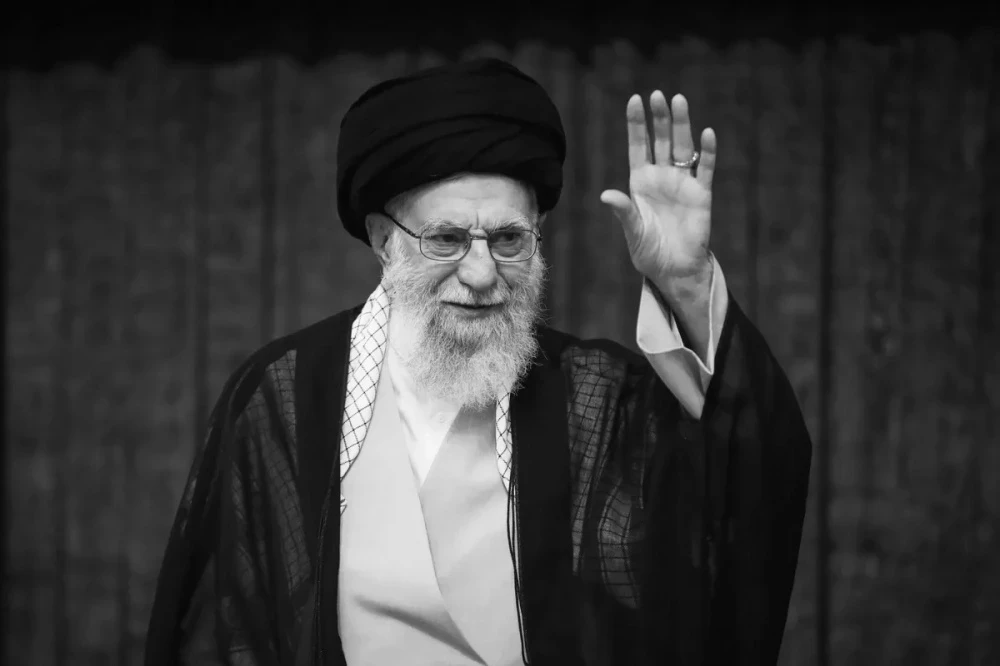
In an interview with NBC News, Donald Trump, the President of the United States, stated that the government considers the information about the possible death of Ali Khamenei, the supreme leader of Iran, to be "credible." He added that while Washington already "considers him dead," final conclusions will only be drawn after visual confirmations are received. According to Trump, a significant number of the Iranian leadership involved in important decision-making were eliminated as a result of the strikes.
The escalation of tensions began on February 28, when Israeli forces, in cooperation with American military, carried out massive preemptive strikes on more than 30 strategic sites. The strikes targeted the residence of the supreme leader, the presidential complex, as well as facilities of the Islamic Revolutionary Guard Corps and nuclear installations in Isfahan. Trump officially confirmed the involvement of the U.S. in this operation, stating its main goal was to eliminate threats from the Iranian regime. Unfortunately, as a result of the strike on a school in Minab, 40 people were killed.
In response to these actions, Iran launched missiles at Israeli territory and U.S. military bases in Qatar, the UAE, Bahrain, and Kuwait three hours later. As of now, official Tehran has not confirmed Khamenei's death; however, significant disruptions in internet connectivity are being observed in the country. A state of emergency has been declared in Israel: classes in schools have been canceled, and mass gatherings are prohibited. The escalation of the conflict has already impacted global logistics — Dubai airport has suspended flights, and the Houthis announced the resumption of attacks on vessels in the Red Sea.