Worrying Data
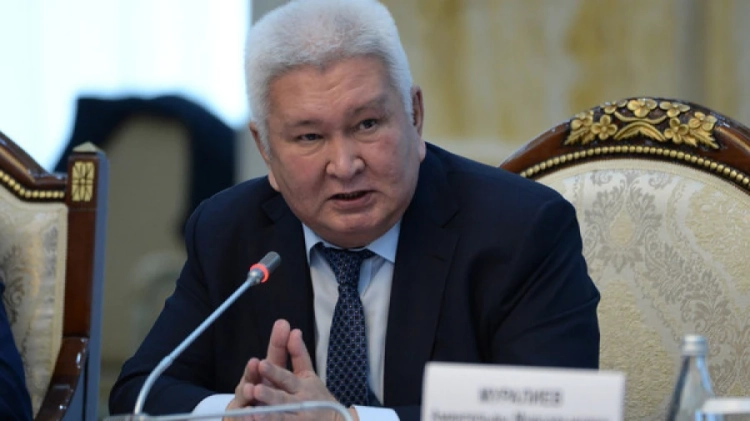
The UN High Commissioner for Human Rights Volker Turk emphasized that there is a concerning rise in executions in 2025, particularly for acts that are not considered "most serious crimes" under international standards. Additionally, cases of executing death sentences for individuals convicted of crimes committed in childhood continue, often shrouded in a high degree of secrecy.The primary factor behind the global increase in executions has been cases related to drugs, which do not involve intentional taking of life.
"This not only contradicts international law but is also ineffective as a means of deterring crime," Turk added.
Encouraging Initiatives
At the same time, in 2025, some states took steps towards reducing the application of the death penalty. Vietnam reduced the number of crimes punishable by this measure. Pakistan removed two non-violent offenses from the list subject to the death penalty, leaving 29 such articles. Zimbabwe abolished the death penalty for acts not classified as particularly serious, while Kenya began reviewing its death penalty legislation. The review process in Malaysia has allowed for a reduction of over a thousand individuals subject to execution.Call for Abolition of the Death Penalty
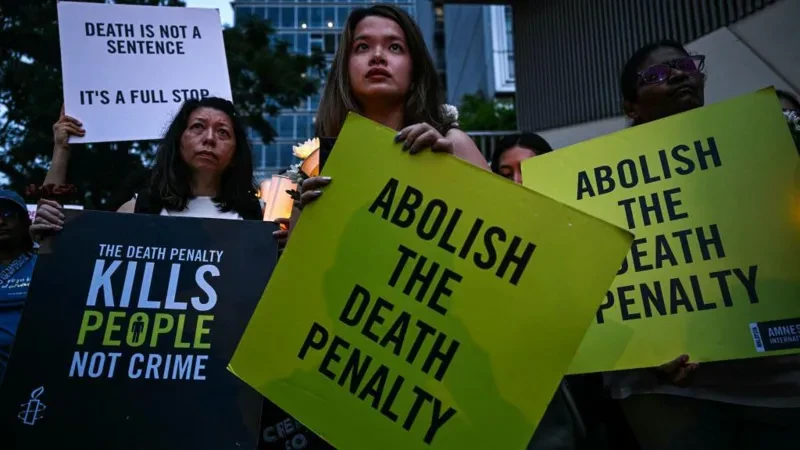
Turk noted that "the death penalty is not an effective tool in combating crime and can lead to the execution of innocent people. In practice, such measures are often applied arbitrarily and discriminatorily, violating fundamental principles of equality before the law."Photo on the main page is illustrative: Unsplash / A. Ross. Prison in Iran.