Human Rights as the Foundation of the Constitution
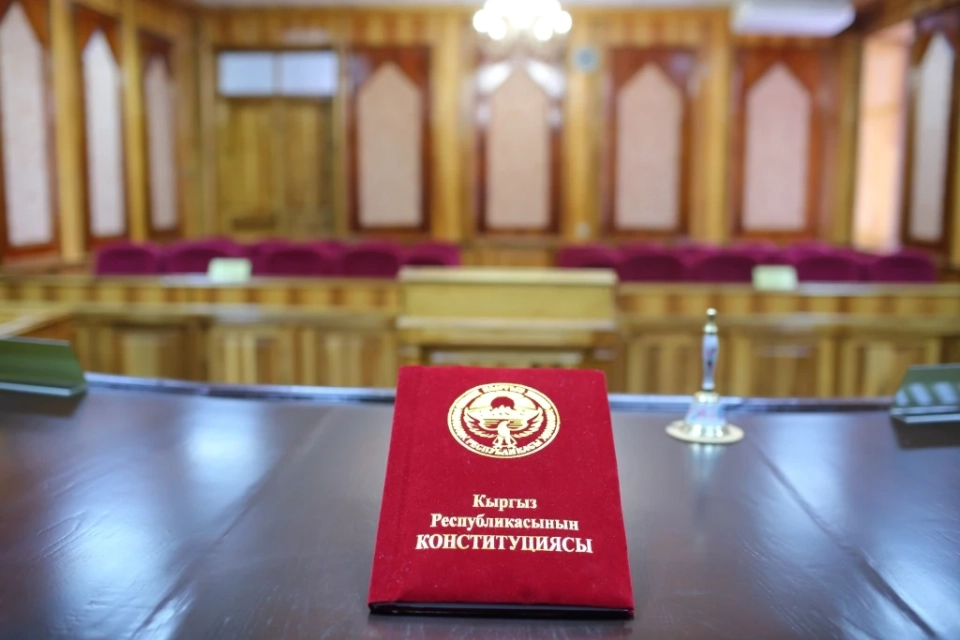
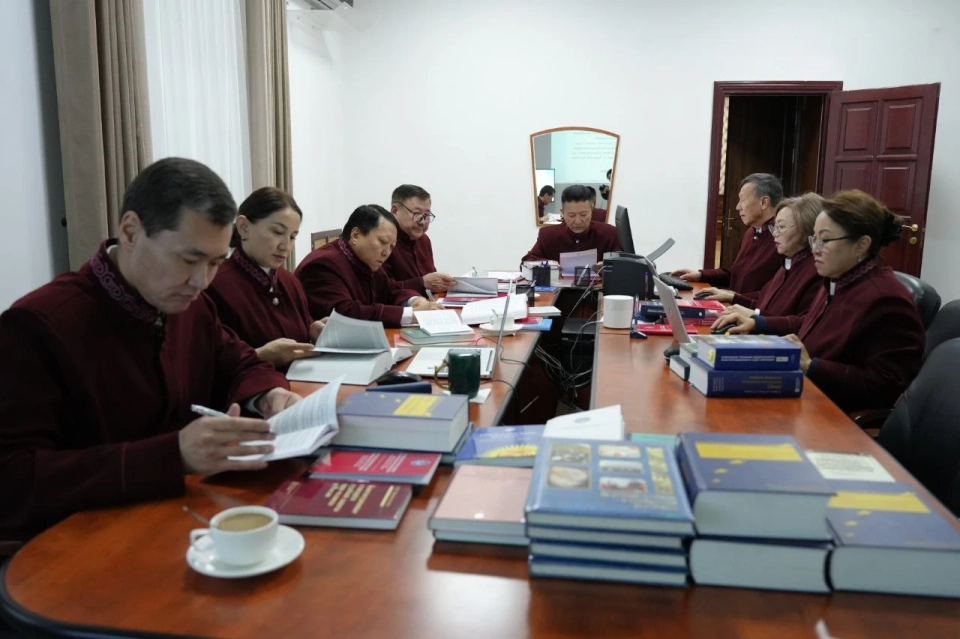
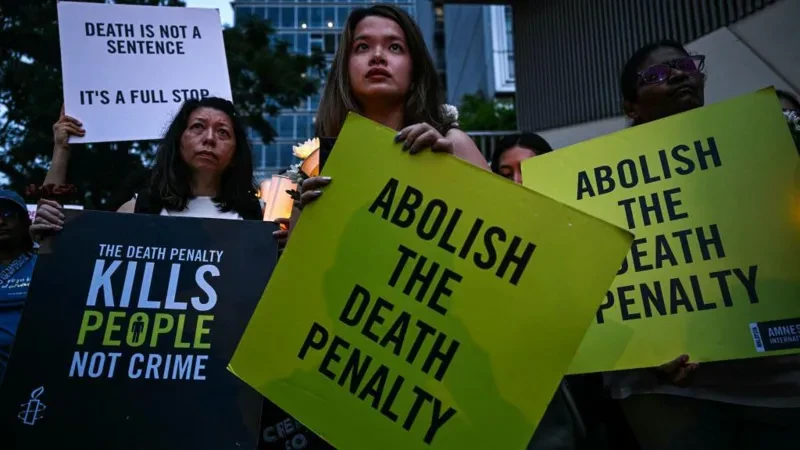
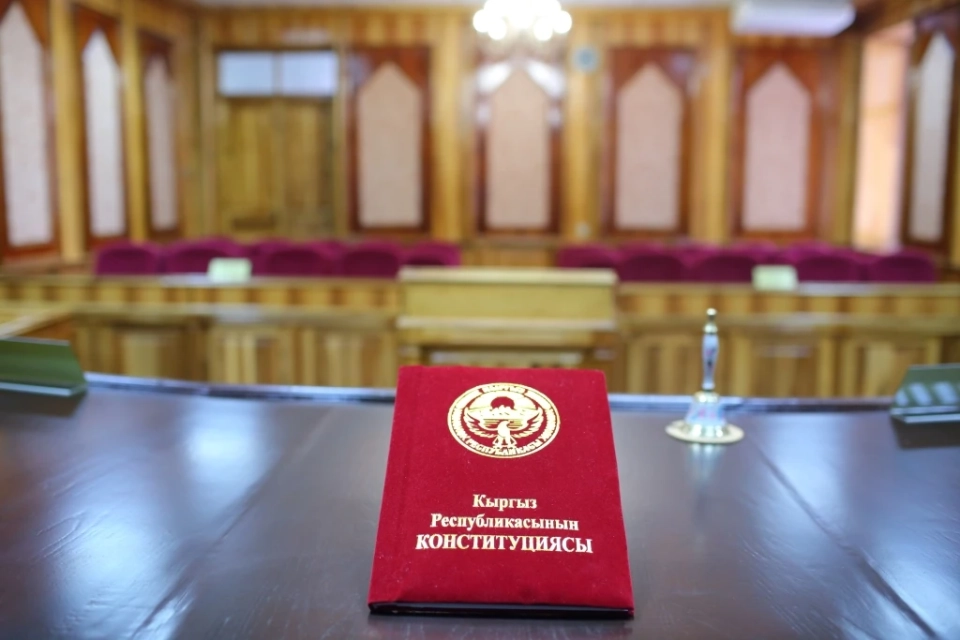
In its conclusion, the court noted that the death penalty contradicts the fundamental rights and freedoms enshrined in the country's Constitution, emphasizing that “the prohibition of the death penalty is not just a norm, but a principled value reflecting the priority of human life.” The court also reminded that the fundamental law does not allow for a deterioration in the level of protection of human rights (the principle of non-regress), and the abolition of the death penalty has become an irreversible commitment of Kyrgyzstan; therefore, any amendments that could undermine fundamental human rights are unacceptable, even if supported by society.International document, the Second Optional Protocol to the International Covenant on Civil and Political Rights, signed by Kyrgyzstan in 2010, prohibits its denunciation. This means that the state is committed to not applying the death penalty on a permanent basis.
Kyrgyzstan's International Obligations
The court noted that Kyrgyzstan cannot justify violations of international obligations by referring to domestic legislation, which contradicts the Vienna Convention on the Law of Treaties. In the event of the reinstatement of the death penalty, this would also mean a violation of the country's international status and could lead to its recognition as a violator of international law.Based on the arguments presented, the Constitutional Court concluded:
— the reinstatement of the death penalty is legally impossible;
— the draft law cannot be put to a referendum;
— all actions to promote it must be halted.
Thus, the court closed the question at the constitutional level.
Public Resonance and Government Response
The idea of reinstating the death penalty emerged in society after the horrific murder of 17-year-old Aisuluu Mukasheva in Karakol, which sparked demands for harsher penalties for crimes against children and women. President Sadyr Japarov supported this initiative by sending the relevant bills for public discussion and then to the Constitutional Court. However, many citizens of Kyrgyzstan opposed this step.Experts' Reaction to the Constitutional Court's Decision
Lawyer Tattububuu Ergeshbaeva expressed support for the Constitutional Court's decision, noting that Article 25 of the Constitution explicitly prohibits the death penalty. According to her, any attempts to reinstate this measure of punishment contradict both the fundamental norms of the Constitution and the international obligations undertaken by Kyrgyzstan. She also pointed out that among the CIS countries, the death penalty is virtually not applied, except in Belarus, while Russia maintains a moratorium on this practice.The president can file an objection with the Constitutional Court and request a review of the case, but Ergeshbaeva urged against using this right, emphasizing the importance of legal predictability and respect for the decisions of the highest constitutional control body.
Nevertheless, she added that strict and fair punishment for the most serious crimes should remain a priority.
“Criminal legislation already provides for long prison sentences, including life imprisonment, and the state must ensure their actual enforcement,” she noted.
Support from Opponents of the Death Penalty
Deputy Dastan Bekeshev also expressed his support for the Constitutional Court's decision. “In my emotions, I was ready to support the death penalty in cases of violence against children and women, but considering the level of legal awareness and justice in the country, we cannot return to this punishment,” he said, adding that life imprisonment is a harsher punishment.International organizations also expressed their disagreement with the introduction of the death penalty in the country. A representative of the European Union noted that the death penalty violates the fundamental right to life and is ineffective in reducing crime rates.
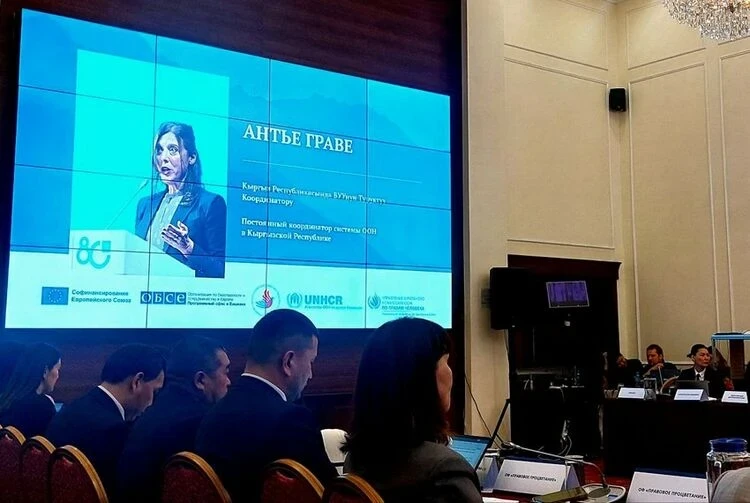
The head of the regional office of the UN High Commissioner for Human Rights reminded that no justice system is immune to errors, and the consequences of applying the death penalty are irreversible.
Criticism of the Court's Decision
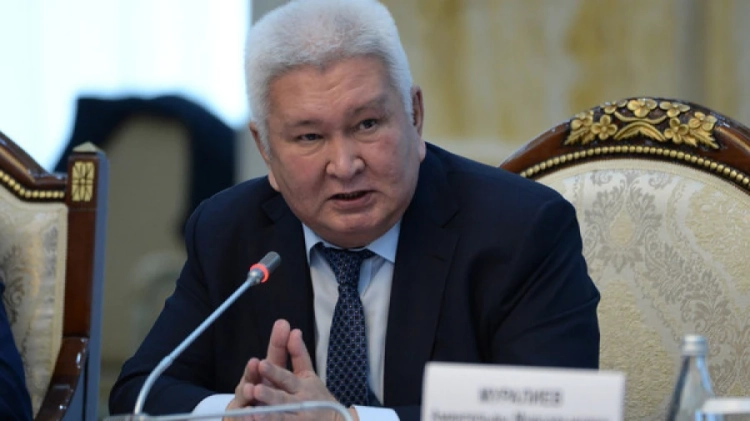
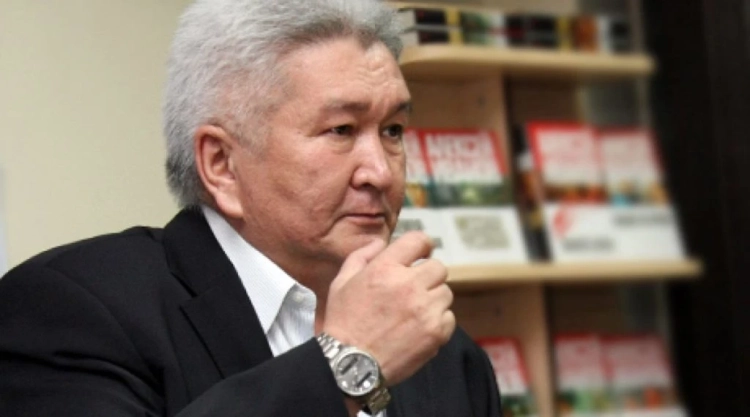
Public figure Felix Kulov expressed disagreement with the Constitutional Court's decision, believing that it restricts the people's right to discuss the Constitution and make decisions through a referendum. He pointed out that the Fundamental Law is a “living” document that allows for amendments.Kulov also emphasized that the initiative to reinstate the death penalty did not come from “above,” but as a reaction from society to violent crimes. He argues that “a democratic state cannot ignore the will of the people” and insists that the question should have been put to a referendum.
The Future of the Death Penalty Issue
The Constitutional Court's decision is final and not subject to review. The court's press service stated that they accept conclusions that cannot be changed. The question remains open: will the presidential administration attempt to use objection mechanisms or propose new formulations? However, an official statement from the Ministry of Foreign Affairs confirmed that the head of state is concerned about the rise in crimes against women and children and will continue to work on changing legislation.From October 13 to 28, a public discussion procedure took place regarding the draft laws, in which the majority of participants expressed opposition to the reinstatement of the death penalty. Kyrgyzstan will continue to fulfill its international obligations and work on tightening penalties for crimes against vulnerable groups.
Proposals Instead of the Death Penalty
Human rights defenders and lawyers propose focusing on increasing penalties to life imprisonment, creating a registry of sex offenders, and improving victim protection. Lawyer Leila Sydykova noted that the application of the death penalty is an easy but ineffective solution and called for a focus on quality investigations and prevention.Conclusion
The Constitutional Court's decision was an important moment for Kyrgyz statehood, demonstrating that the Constitution protects fundamental rights and that international obligations are not a formality. The question of reinstating the death penalty is closed, and now the state faces the challenging task of creating a system that will prevent, detect, and punish crimes quickly and fairly.