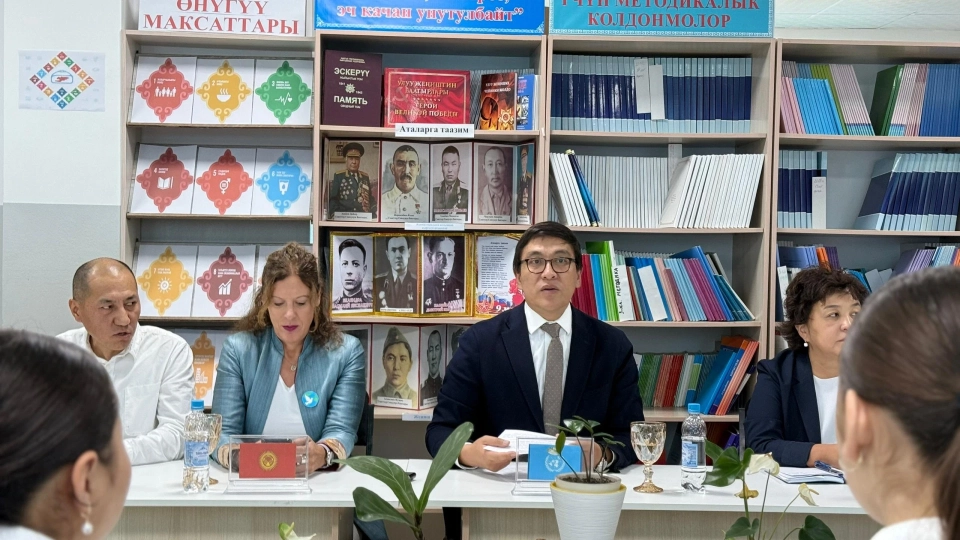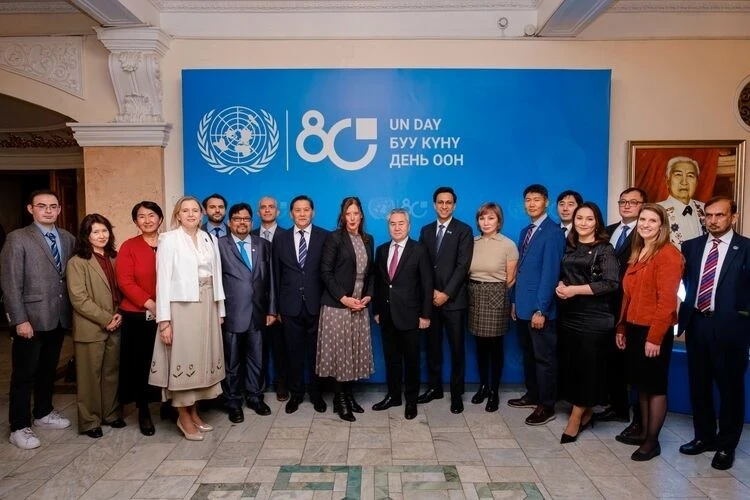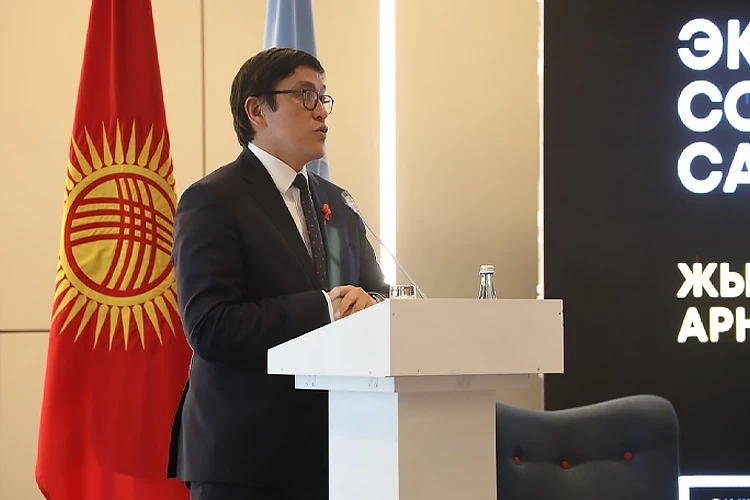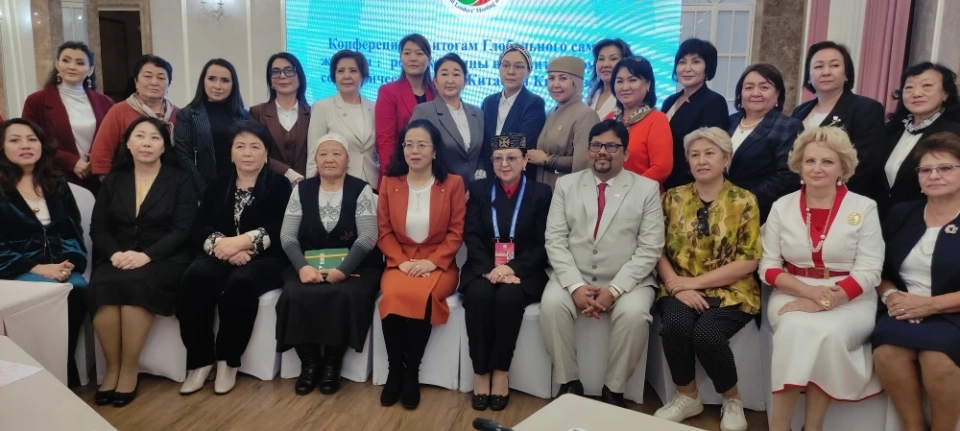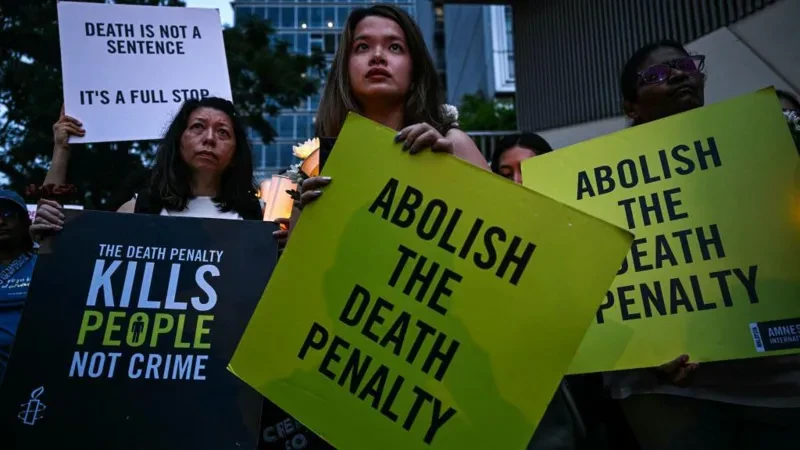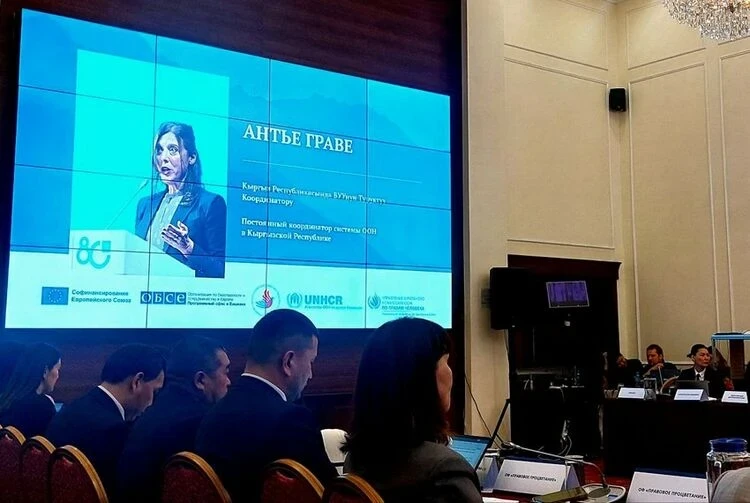
At the National Dialogue on Countering Torture and Cruel Treatment held today in Bishkek, the UN Resident Coordinator in Kyrgyzstan, Antje Grave, expressed concern about the possible return of the death penalty to the country.
According to her, the death penalty is a form of torture and has no proven deterrent effect.
Antje Grave also noted that in recent years there has been a shrinking space for human rights in Kyrgyzstan. This circumstance makes the current dialogue particularly relevant. She emphasized that human rights should be viewed not as abstract concepts, but as an important element of the functioning of the state.
Deputy Prime Minister Edil Baisalov mentioned the resonant letter from Antje Grave, adding that this issue is under consideration by the relevant ministries.
He also noted that the new composition of parliament includes many human rights defenders, which may contribute to strengthening the institution of the ombudsman.
In addition, Edil Baisalov stated that the closure of the Center for the Prevention of Torture was not due to the need for savings, but aimed at eliminating duplication of functions and enhancing the work of the akiykatchi. He emphasized Antje Grave's active stance on the issue of abolishing the death penalty, calling it an important step.
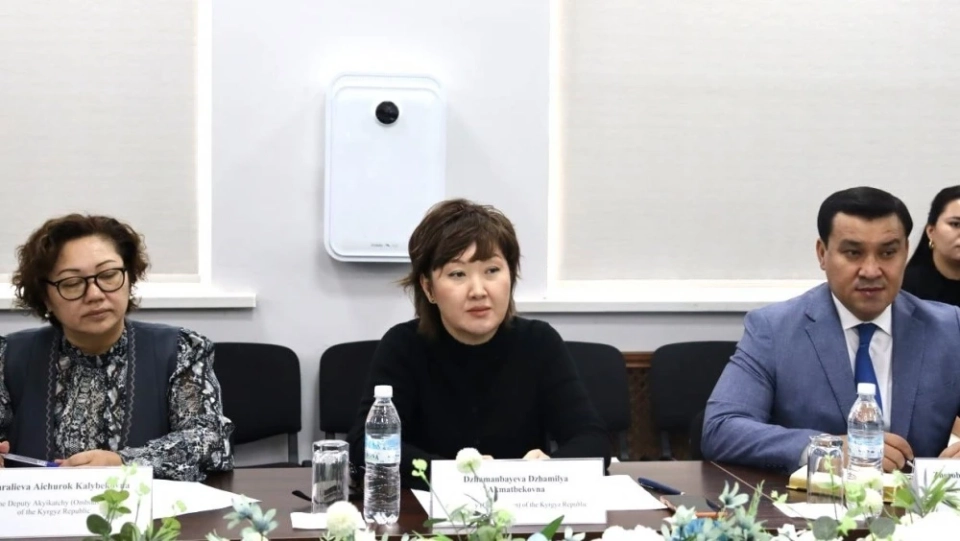
Ombudsman Jamila Jamambaeva noted that the main goal of the event is to unite the efforts of state bodies, international organizations, and civil society in the fight against torture. She reminded that Kyrgyzstan, having ratified the Optional Protocol to the UN Convention Against Torture, has taken on international obligations for independent monitoring of places of detention and objective consideration of complaints.
The akiykatchi added that preventing torture is a collective responsibility, and the recommendations of experts will be carefully studied and taken into account in the further activities of the ombudsman institution.