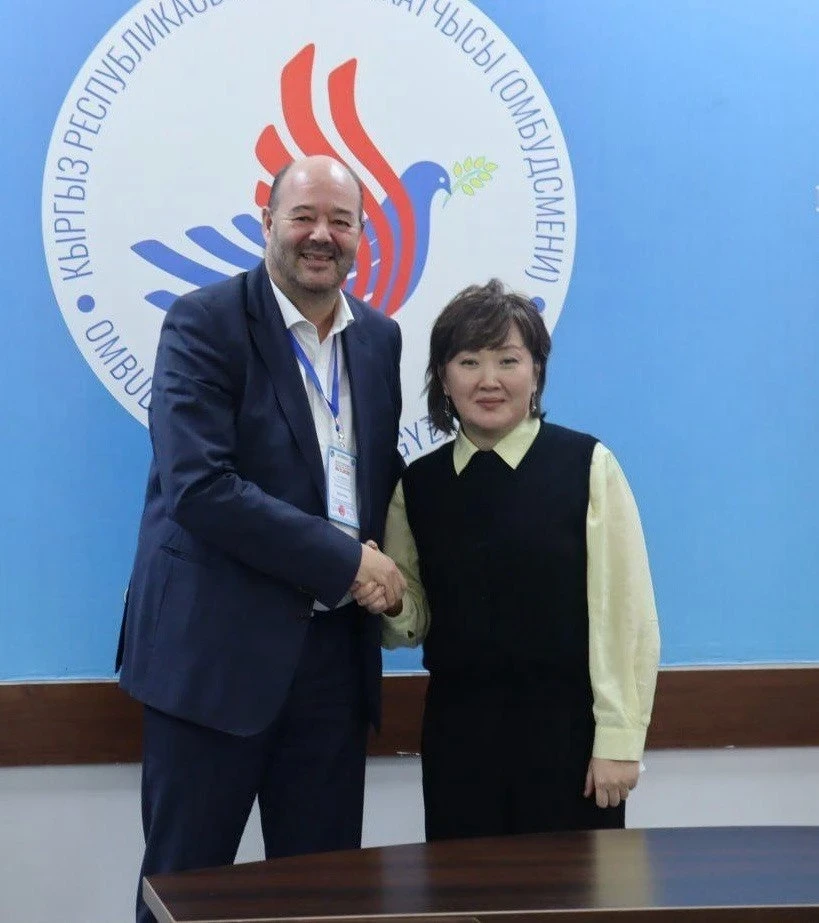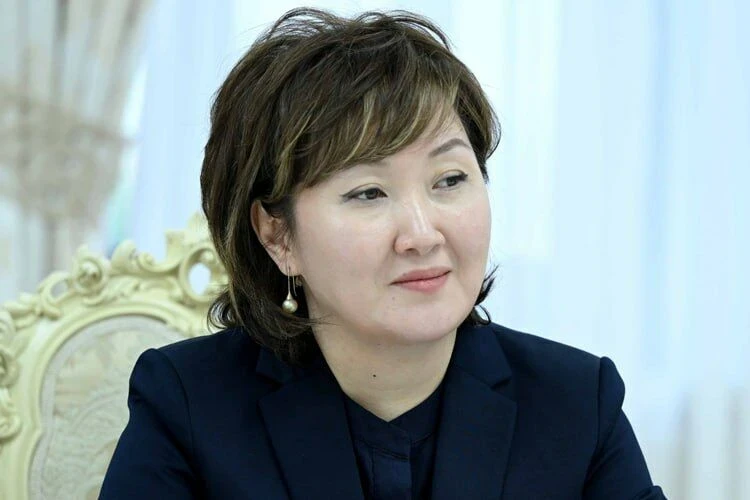
Human Rights Day is celebrated on December 10, and this year, the Ombudsman of Kyrgyzstan, Jamilya Jamambaeva, shared her thoughts with 24.kg about the violations of citizens' rights faced by Kyrgyzstani people and the role of the Akikatchi institution in their protection.
— What is your assessment of the state of human rights in the country? What are the main problems you see?
— Every year on December 10, the world celebrates Human Rights Day, established in 1948 when the UN General Assembly adopted the Universal Declaration of Human Rights. This document became the foundation for the protection of the rights and freedoms of every individual.
For our institution, this day serves as a reminder of the need to draw society's attention to the observance of human rights in Kyrgyzstan. We organize a national dialogue involving representatives of government agencies, international partners, and civil society to discuss pressing issues. For instance, last year we focused on gender equality and the protection of women's rights, and this year the theme will be the prevention of torture.
Over the past 2.5 years, our institution has significantly increased its capacity in the field of human rights protection. We work on the protection of the rights of women and children, migration, and ensuring the rights of prisoners. Our mandate covers a wide range of rights, from social to political and civil rights.
— How many appeals do you receive annually, and what issues do citizens most often complain about?
— We receive between 8,000 to 10,000 appeals a year, including verbal complaints and requests through the hotline 115 and email. All complaints are analyzed, and about 60 percent of them lead to the restoration of citizens' rights. Unfortunately, some appeals concern events that occurred many years ago, and we cannot respond to them due to the expiration of deadlines.
The most common appeals are related to the actions of the judiciary and law enforcement agencies—over 60 percent of all complaints. We provide our recommendations in response to these appeals.
— How do government agencies respond to your recommendations? What difficulties do you face?
— Previously, the satisfaction rate with recommendations was only 25-30 percent; however, this figure has now risen to 93 percent. This pertains to systemic violations for which we send recommendations.
Our institution does not oppose government agencies but serves as a link between citizens and the state. We intervene when citizens cannot get a response from government institutions.
A 93 percent compliance rate with recommendations indicates our successful collaboration with government agencies. There is an understanding that in certain situations, human rights are violated, and this is acknowledged.
— This year you plan to discuss the prevention of torture. How relevant is this issue in Kyrgyzstan right now?
— The amendments made to the law "On the Akikatchi (Ombudsman)" transferred the functions of the national preventive mechanism to our institution. According to my information, the process of liquidating the National Center for the Prevention of Torture has not yet been completed. We continue to conduct preventive visits.
There are over 500 closed institutions in the country, including detention centers and nursing homes. We intend to continue this work and need a regulatory framework to improve the mechanisms for preventing torture.
During discussions with civil society and international partners, we strive to develop a better model considering global practices.
— Based on your experience, what are the main human rights issues you could highlight in Kyrgyzstan?
— Statistics show that the main issues are violations of rights in law enforcement and judicial spheres. In the regions, social issues are more prevalent. We send recommendations to various ministries when we notice systemic violations.
If many people address the same problem, it indicates the need for changes in legislation. Although we do not have the right to legislative initiative, we can make proposals through deputies.
— How would you characterize the situation with domestic violence in the country?
— Civil society is actively responding to issues, and this allows us to draw attention to important matters. Kyrgyzstan was the first in Central Asia to adopt a law on protection from domestic violence, but its implementation has left much to be desired. We conducted monitoring that showed a lack of interaction among 17 government agencies responsible for enforcing the law.
Recently, amendments were made to the law, including the introduction of electronic bracelets and an increase in the detention period for those guilty of domestic violence.
According to the Ministry of Internal Affairs, the level of violence is increasing by 30-35 percent each year, but this does not always mean that violence has become more prevalent. We observe a growing awareness among the population, and people are beginning to realize that they can protect themselves.
Many hidden crimes are becoming apparent due to media and public attention. Recently, a video surfaced in the media showing children filming a husband beating his wife. These are unacceptable cases that need to be addressed.
We also need more crisis centers to assist victims.
— How does the Ombudsman institution interact with international organizations and implement their recommendations?
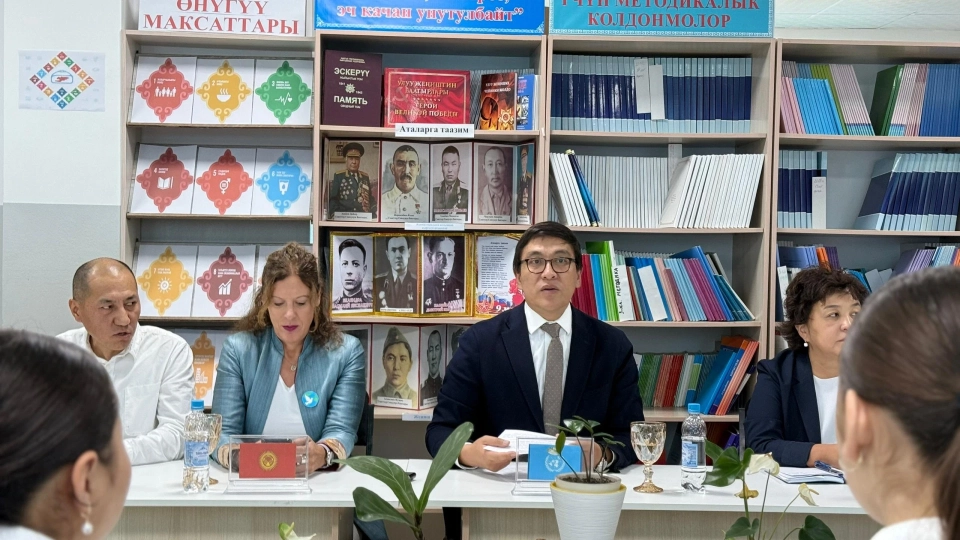
— International cooperation is one of our priorities. We have many partners who receive information about the state of human rights in the country through our institution.
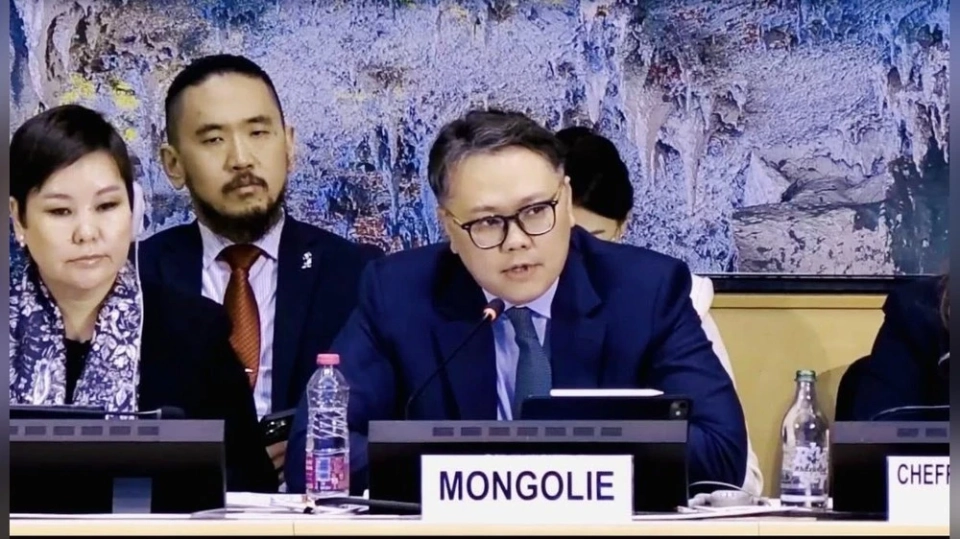
We participate in six international human rights organizations and hold meetings to exchange experiences. We strive to adopt best practices from our colleagues.
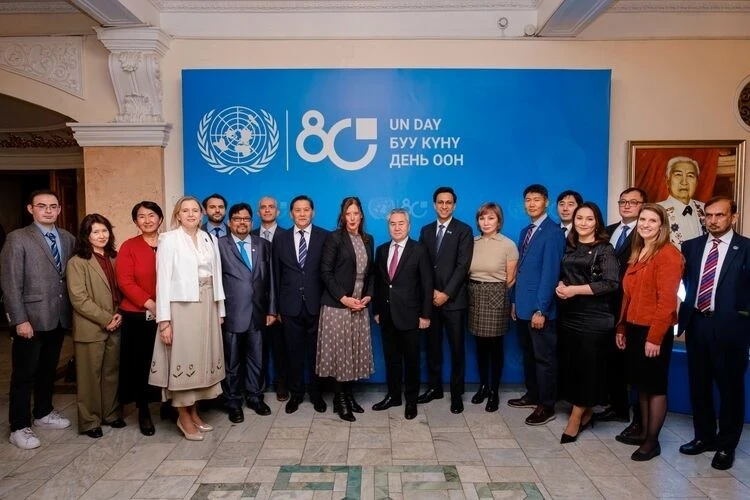
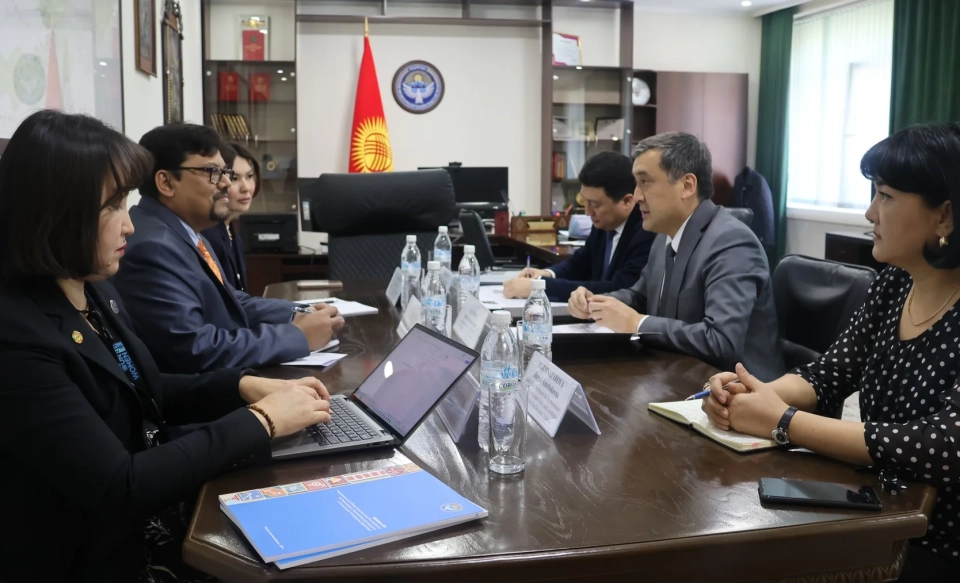
This year, an authoritative group consisting of OHCHR, UNDP, and other organizations visited us to assess our potential. They left a positive evaluation of our work with recommendations for improvement.
— How can we ensure that International Human Rights Day does not remain a formal date?
— Celebrating December 10 shows that the protection of human rights is important to the state. The state must ensure safety and protection for every citizen. I believe that Kyrgyzstan has excellent laws that simply need to be enforced. We exchange experiences with foreign colleagues, and there is much for us to learn.
Kyrgyzstan is the first country to ratify eight out of nine UN conventions on human rights.
December 10 is a special day when we summarize our work for the year and inform society of Kyrgyzstan's commitment to upholding human rights and freedoms.