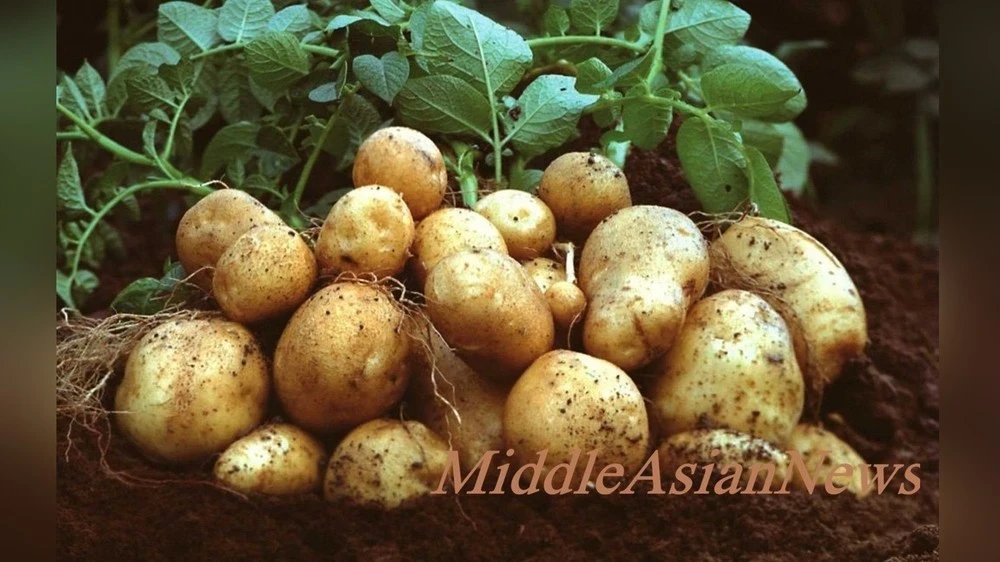
According to information from MiddleAsianNews, two new potato varieties, "Darkhan-212" and "Darkhan-222," were introduced for commercial use in 2025.
The Ministry of Food, Agriculture, and Light Industry reported that the Institute of Plant Breeding and Agricultural Sciences has developed over 100 varieties of agricultural crops, of which more than 20 have been adapted to local conditions. Recently, the varieties "Darkhan-212" and "Darkhan-222" were introduced into production.
In the agricultural sector, approximately 400-450 tons of high-quality seeds of early-maturing varieties "Darkhan-160" and "Darkhan-131" are produced and used annually, along with medium- and late-maturing varieties "Darkhan-190" and "Darkhan-144."
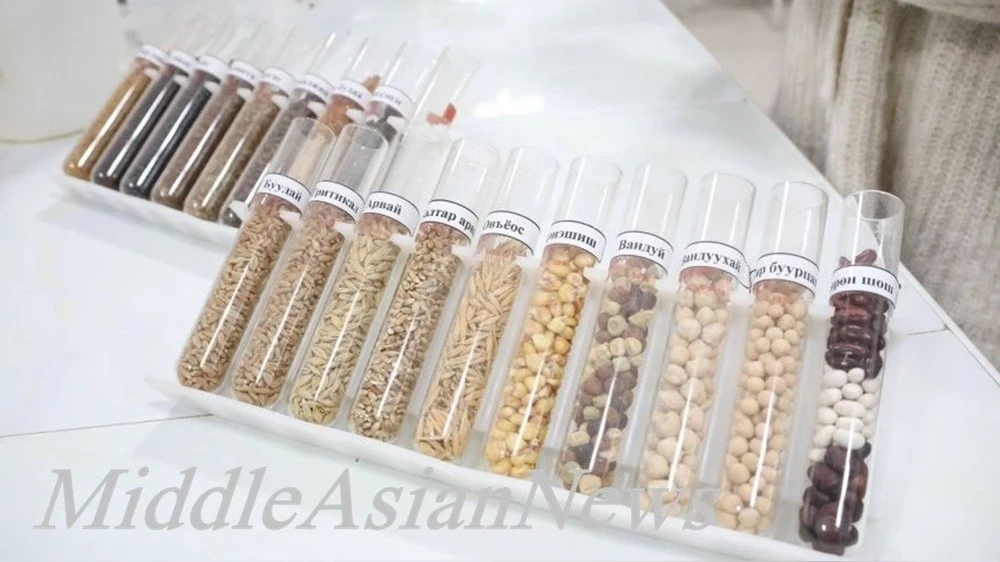
Five new potato varieties have been developed, 14 varieties have been adapted to local conditions, and 16 varieties have been selected as promising and are currently undergoing the production stage.
The institute produces 80,000–100,000 healthy microtubers annually, which accounts for approximately 40% of the total potato seed material in the country. Additionally, technologies for sowing leek seeds have been developed, allowing for reduced costs and simplified labor efforts.
Institute scientists emphasized that many countries strive to preserve the genes of rare and endangered plants through precise scientific regulation for up to 100 years.
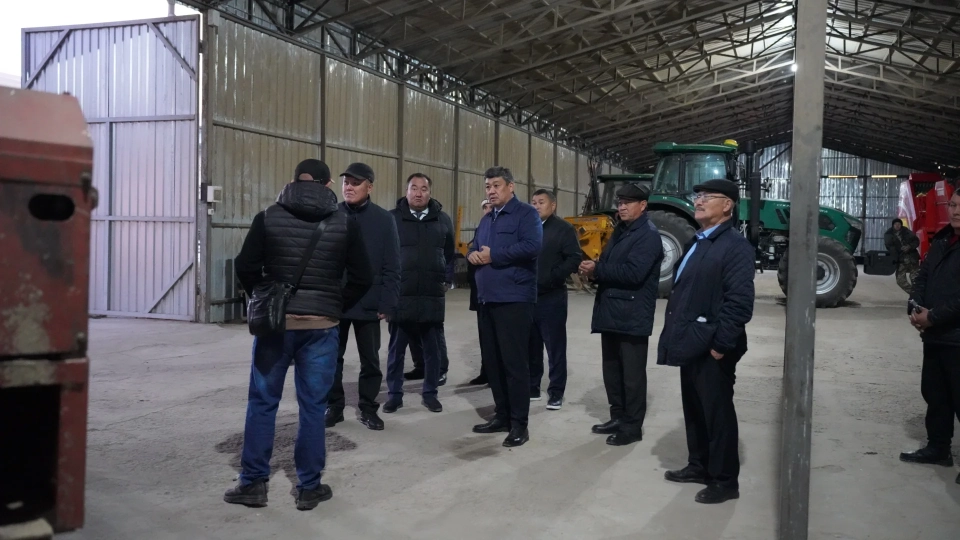
During the visit of Nyamzhav Baasansuren, Deputy Minister of Food, Agriculture, and Light Industry, attention was drawn to the need for further study of soil conditions and fertility in Mongolia, as well as the establishment of a laboratory for the preservation of rare plant seeds in accordance with international standards.
A research program aimed at improving crop rotation for the period 2025-2030 has also been developed, focusing on the development of agriculture on a more scientific basis.
In 1956, the establishment of collective farms began in Mongolia, after which the first grain harvest was collected from an area of 2,000 hectares. In 1959, the country's government initiated the first campaign for the development of virgin lands to increase domestic production of wheat, potatoes, and vegetables. The successful implementation of the second campaign in 1976 led to an increase in cultivated land to 1.2 million hectares, fully satisfying domestic demand for grain, potatoes, and vegetables.
In 2025, Mongolia harvested 274.1 thousand tons of grain, including 252.3 thousand tons of wheat, 101.9 thousand tons of potatoes, 208.6 thousand tons of vegetables, 133.3 thousand tons of fodder crops, and 27.2 thousand tons of oilseeds, totaling 745.1 thousand tons.