The company Neuralink, founded by Elon Musk, has presented the results of a two-year study of a neurointerface called Telepathy. This innovative interface allows people with disabilities, such as paralysis, to control computers, smartphones, and robotic limbs solely through thought, as reported by Kazinform.
The technology works by reading neural activity that controls hand movements and converting these signals into digital commands. This enables users to regain independence and interact with the surrounding world without the need for physical movement.
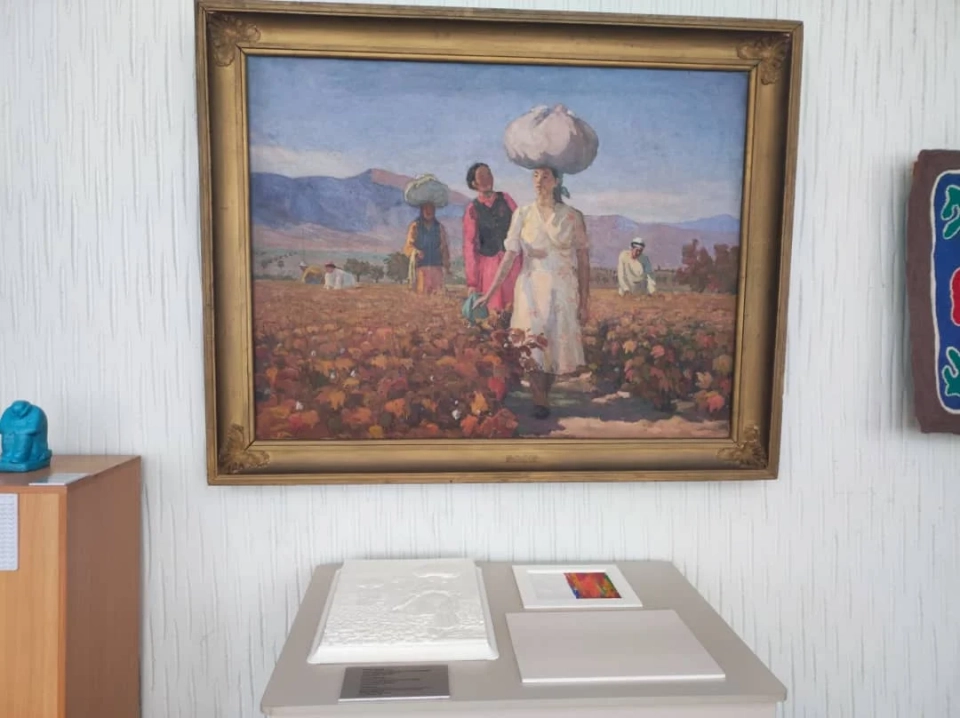
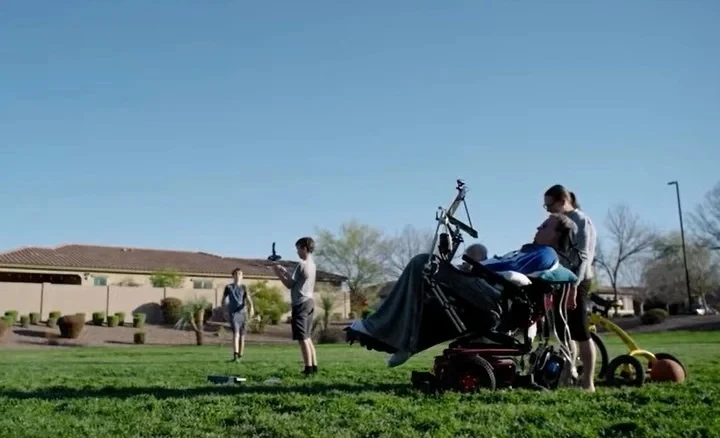
During the trials, participants were able to control a cursor on the screen, manipulate robotic limbs, and even create digital art. For example, Nick, who had been unable to move his hands for four years, learned to feed himself and scratch using a robotic arm, while Audrey was able to create abstract works independently for the first time in a long time and plans to organize an exhibition of her works.
Additionally, Telepathy provides assistance to people with amyotrophic lateral sclerosis in regaining the ability to communicate: a thought-based keyboard has been developed that allows typing up to 40 words per minute. Neuralink also reports on a new study called VOICE, aimed at restoring speech in real-time. The technology continues to evolve, offering more and more possibilities for people with physical disabilities.