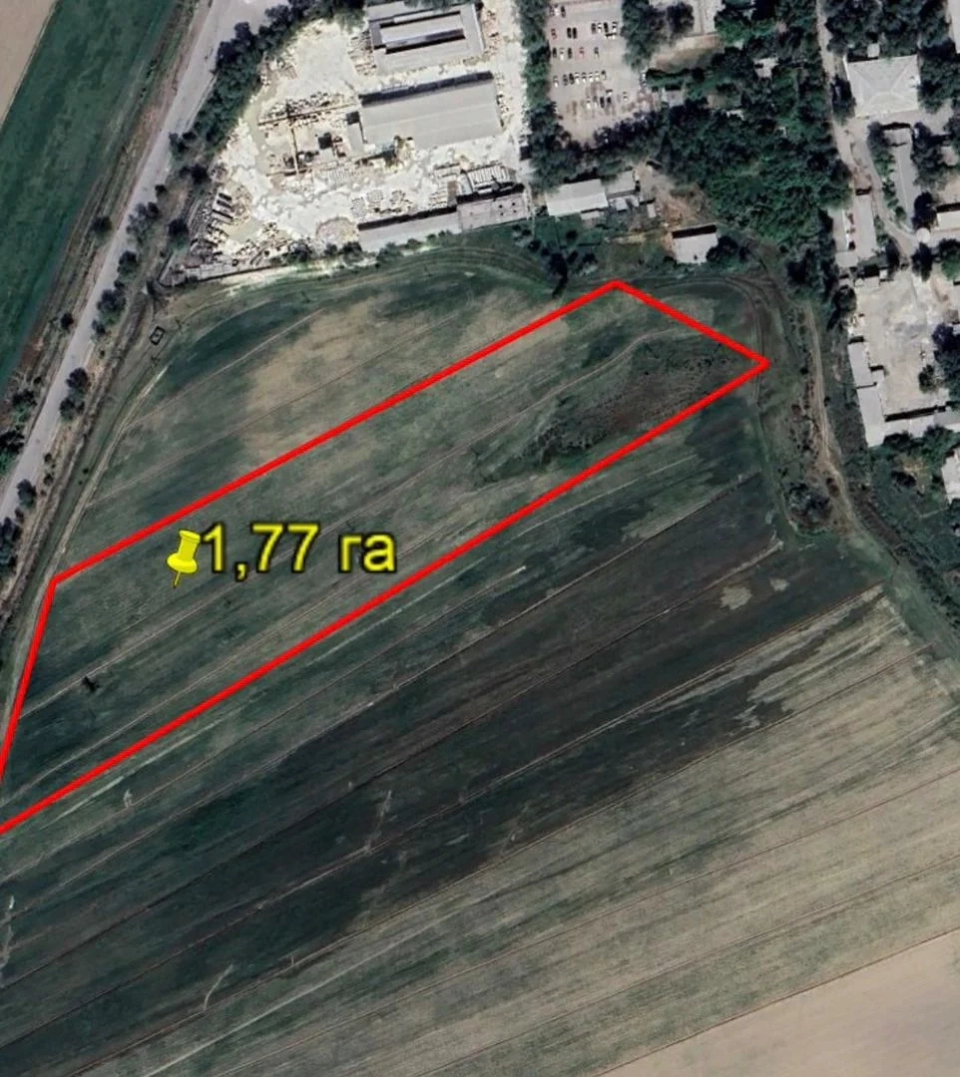
Talantbek is the father of three sons and two daughters, as well as the grandfather of eight grandchildren. He is currently engaged in various agricultural activities. “The village of Khutor, which is part of the Min-Bulak rural district, has the main name Kara-Döbö. It is located 6 kilometers from the Bishkek—Kara-Balta road and 3 kilometers from the neighboring village of Krupskoye,” he explained.
The name “Khutor” denotes a small settlement separated from larger populated areas, consisting of several houses, which is perfectly suited for this village, where there are 21 households.
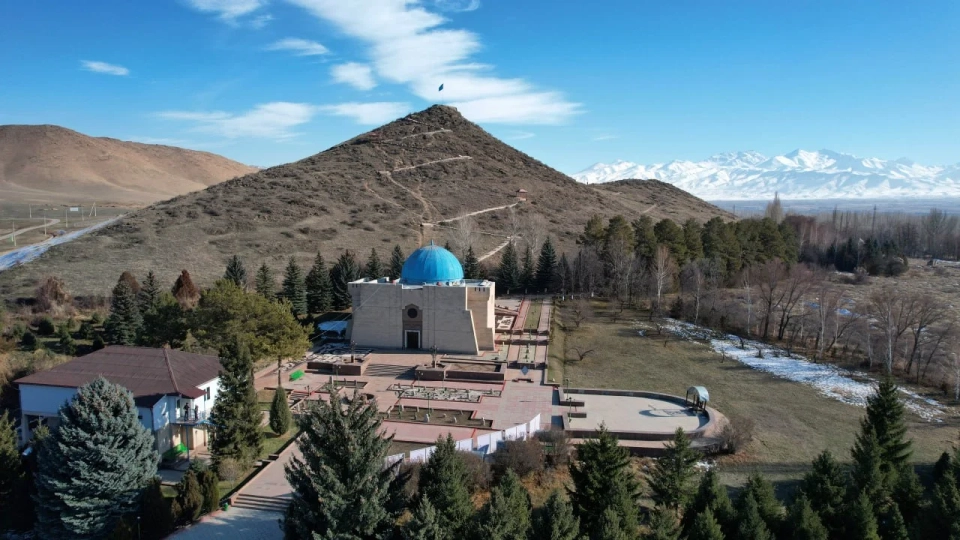
As for the name “Kara-Döbö,” it is derived from the words “kara” (color or direction) and “döbö” (hill, elevation), meaning “dark hill” or “northern elevation.” This name is associated with the surrounding hills, about which local residents tell various stories,” Bakirov added.
According to local accounts, the village emerged after the end of World War II, approximately between 1950 and 1955. At that time, grapes were grown here, and they are still present in small plots. The first settlers were Russians and Ukrainians, and now the village is home to representatives of 11 nationalities, including about 10 Kyrgyz families.
In the vicinity between the villages of Aleksandrovka and Krupskoye, there are several hills where, it is believed, a military unit used to be located, and this place could have been used as housing for guards, which may have led to the name Kara-Döbö.
Today, residents are engaged in livestock breeding and agriculture, mainly raising dairy cows. Since there is no permanent work in such a small village, they produce milk for sale, which helps them sustain their daily lives.
This small village has its pros and cons. For example, two streets are lit, and there is access to clean drinking water. Rituals and traditions are observed, taking into account the characteristics of various nationalities. However, there are also problems: the road to the village is rocky, a lot of dust rises in the summer, and there is no school—even an elementary one. Children have to walk to school in the neighboring village of Krupskoye.
Talantbek expresses concern about the aging population of the village, noting the absence of a grocery store and the departure of young people, leaving mainly elderly residents. “There is no work. In the summer, there are only field jobs; in winter, we sit at home by the stove with the grandchildren. A gas pipeline runs near our village, and it would be great if local authorities considered gasification and a school bus for the children. They are tired of long walks, and this affects the quality of their education. This issue is raised constantly, but there is no solution. We are already tired of waiting,” he concluded.