Netflix is actively trying to convince skeptical lawmakers that its proposed merger with Warner Bros Discovery, valued at $82 billion, will be beneficial for consumers, workers, and the entire entertainment industry. This was reported by the BBC.
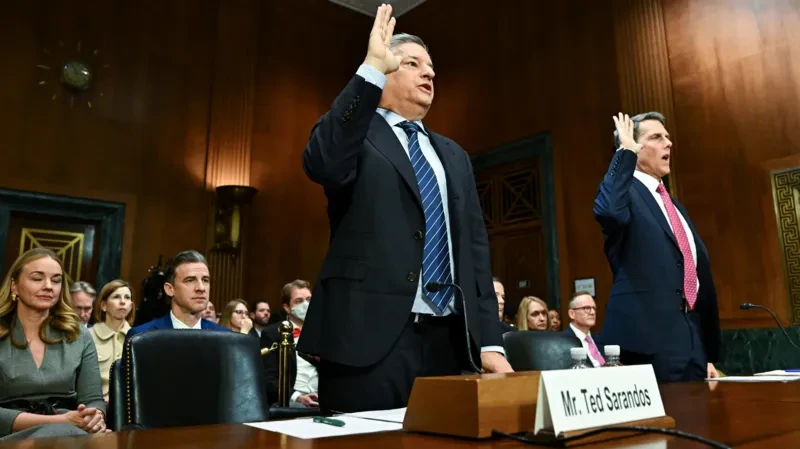
At a meeting of the U.S. Senate antitrust subcommittee held on Tuesday, lawmakers from both parties expressed concerns about reduced competitiveness, potential price increases, and the impact on cinemas if the merger is approved.
This deal, currently under review by the U.S. Department of Justice, would allow Netflix to control Warner Bros' film and television studios, as well as the HBO Max streaming service.
Meanwhile, Paramount Skydance, a competitor of Netflix, continues to push its alternative deal to acquire Warner Bros.
During the hearings, it was clear that there is bipartisan resistance to the merger. However, the final decision on whether to approve or block the deal rests with the regulators at the Department of Justice.
Senators questioned Ted Sarandos, co-CEO of Netflix, about the fate of cinemas, the impact on subscription prices, and the effects on entertainment industry workers following a potential merger.
Sarandos assured that Netflix would continue to release Warner Bros films in theaters for 45 days, which aligns with existing industry standards, and promised to manage the studio as it does now.
He argued that the merger of the companies would provide viewers with more content at lower prices, noting that 80% of HBO Max subscribers are also Netflix customers.
Additionally, he stated that the merger would lead to the creation of more jobs in the U.S.
However, Republican Senator Mike Lee expressed concern that merging two major employers in one sector could negatively affect competition for labor.
Despite the concerns raised by some Republican senators regarding competition, other participants in the hearings pointed to the current cultural debates.
Senator Eric Schmitt accused Netflix of having content that is predominantly progressive.
It should be noted that Paramount CEO David Ellison was absent from the hearings; his company, despite repeated rejections, continues to attempt to acquire Warner Bros.
Paramount, backed by the billionaire Ellison family, claims that their $108 billion offer to purchase Warner Bros is more advantageous.
Both merger proposals have faced criticism, as opponents argue that they would lead to excessive concentration of power in the hands of one company.
Senator Cory Booker, representing the Democratic Party, called Ellison's absence from the hearings "disappointing" and reported that he declined his invitation to speak.
"After either merger, another corporation will gain greater control over what we see, hear, and what information we consume," Booker noted.
In an effort to strengthen its position against Paramount, Netflix updated its proposal last month, specifying that the deal would be fully cash-financed, unlike previous plans that included a combination of cash and stock.
The hearings also discussed whether YouTube, owned by Alphabet, is a serious competitor to Netflix.
Sarandos stated that both companies compete for the same content, audiences, and advertising revenues.
"YouTube is no longer just a platform for cat videos; it's full-fledged television," he added.
However, some lawmakers, including Lee, remained skeptical, arguing that YouTube should not be considered a competitor. Paramount's position can also be seen as similar.