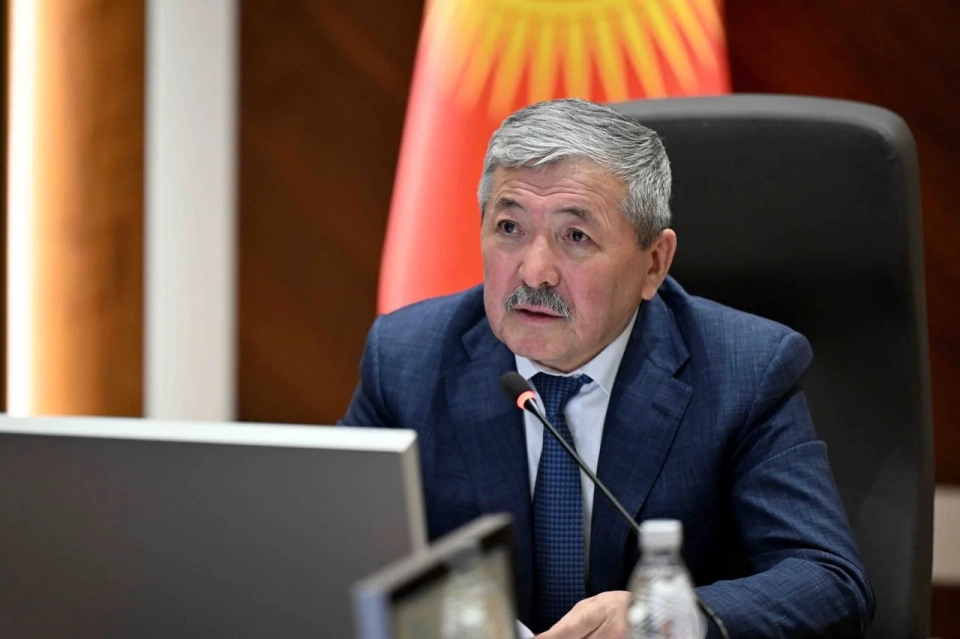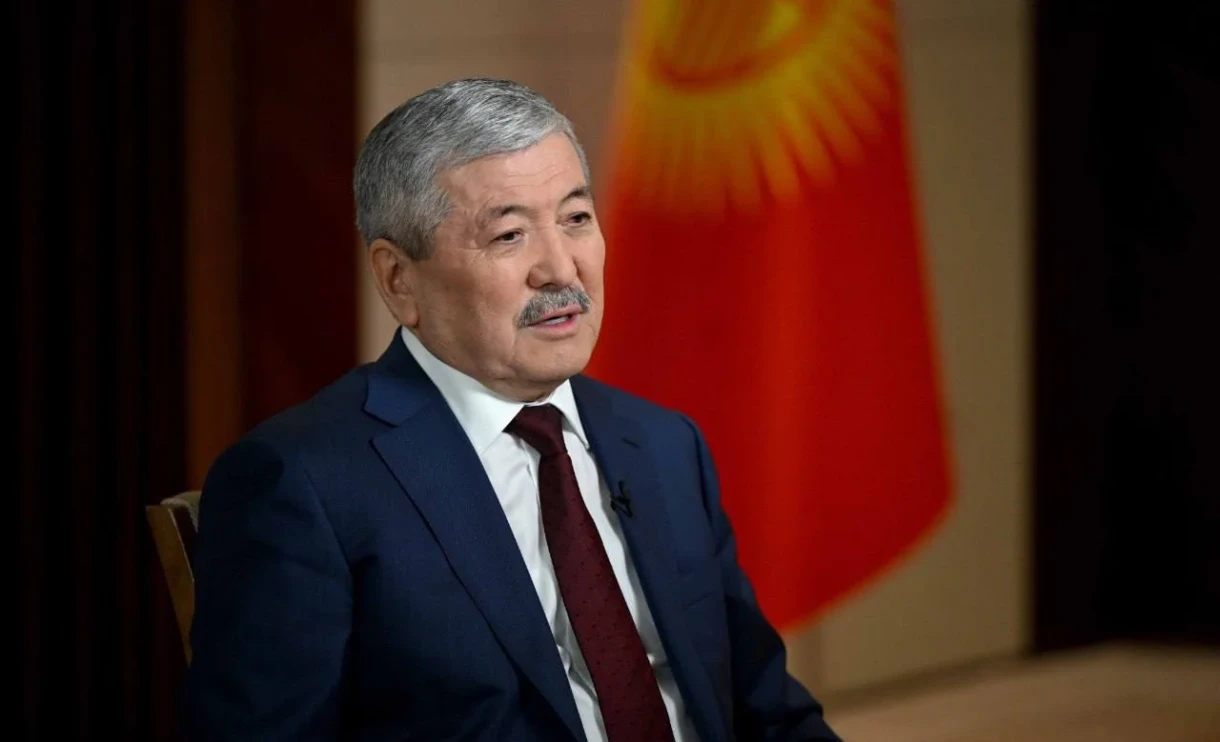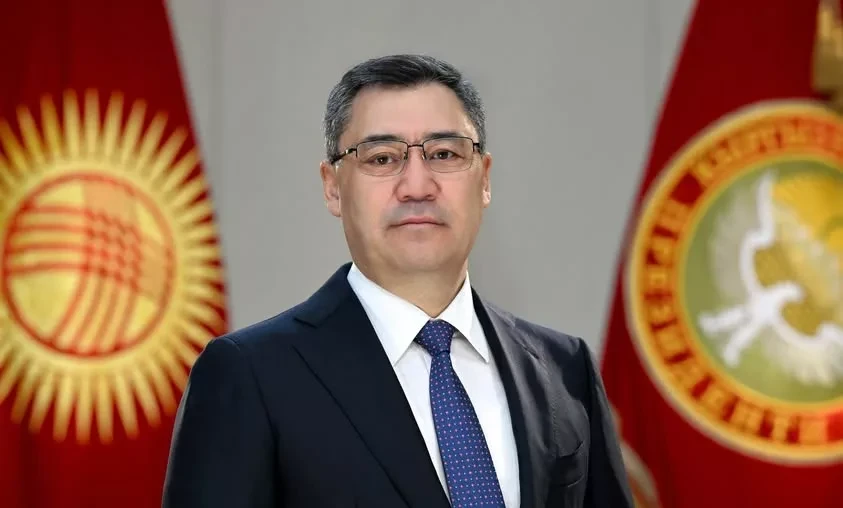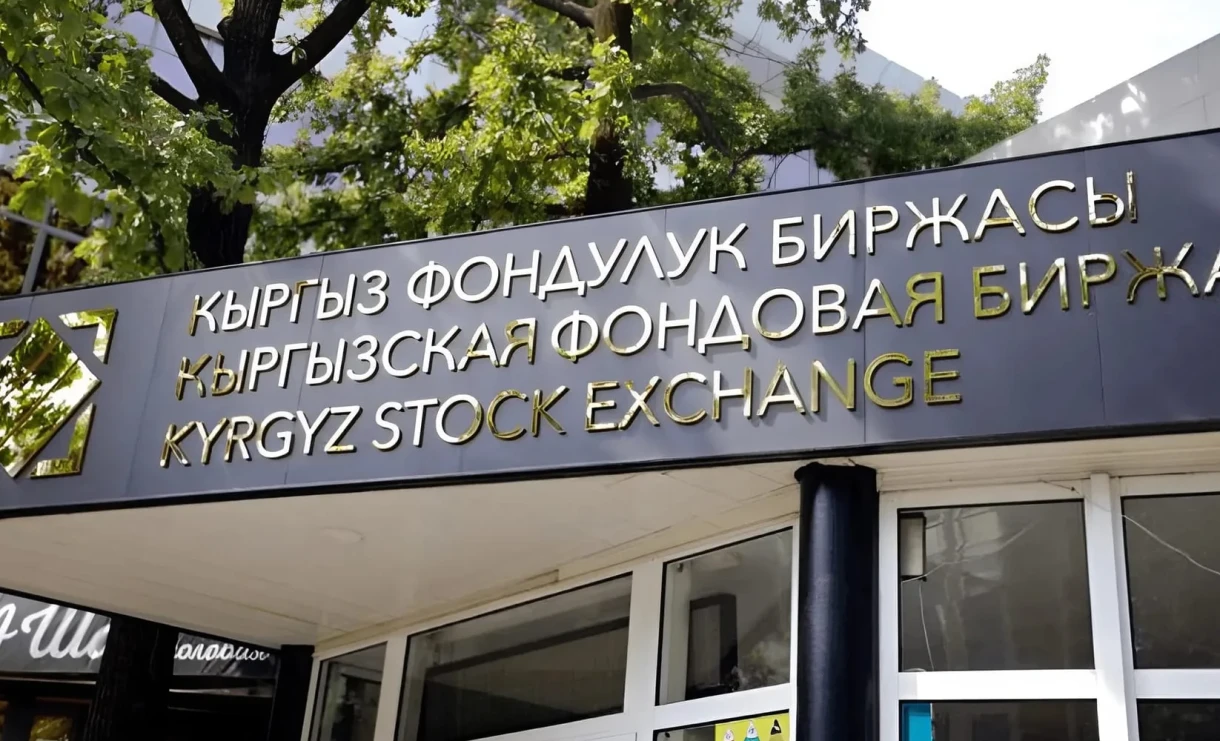
According to the Chairman of the Cabinet of Ministers of Kyrgyzstan, Adylbek Kasymaliev, by the end of 2025, the country's gross domestic product will amount to $22.6 billion. The authorities aim to reach $30 billion by 2030. This information was announced in an interview with the "Mir" television channel. As part of this strategy, a national program has been developed aimed at improving the living standards of citizens and ensuring sustainable economic growth.
The main strategic task is to increase GDP to $30 billion by 2030, which will require maintaining growth rates of 8–10% annually. Economist Nasiridin Shamshiev commented on this task in an interview with the "Kabar" agency and answered several questions.
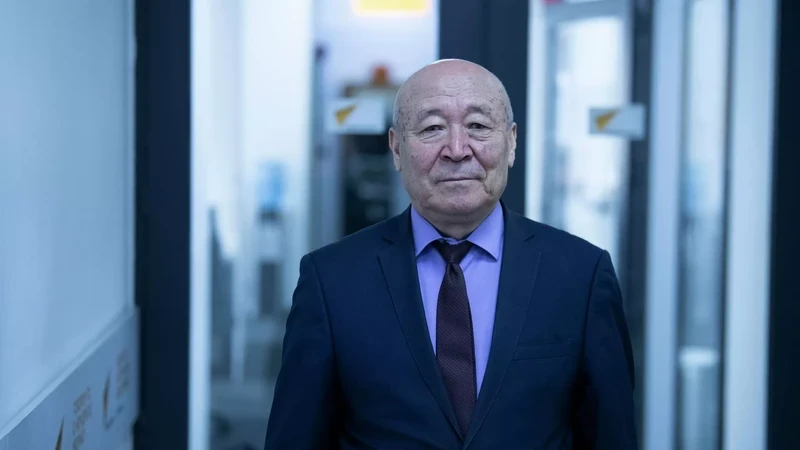
— What contributes to economic growth? Which sectors make the largest contributions?
— In 2019, the gross domestic product was about 620 billion soms. However, in 2020, during the pandemic, this figure decreased. Starting from 2021, over five years, GDP has increased nearly 2.5 times.
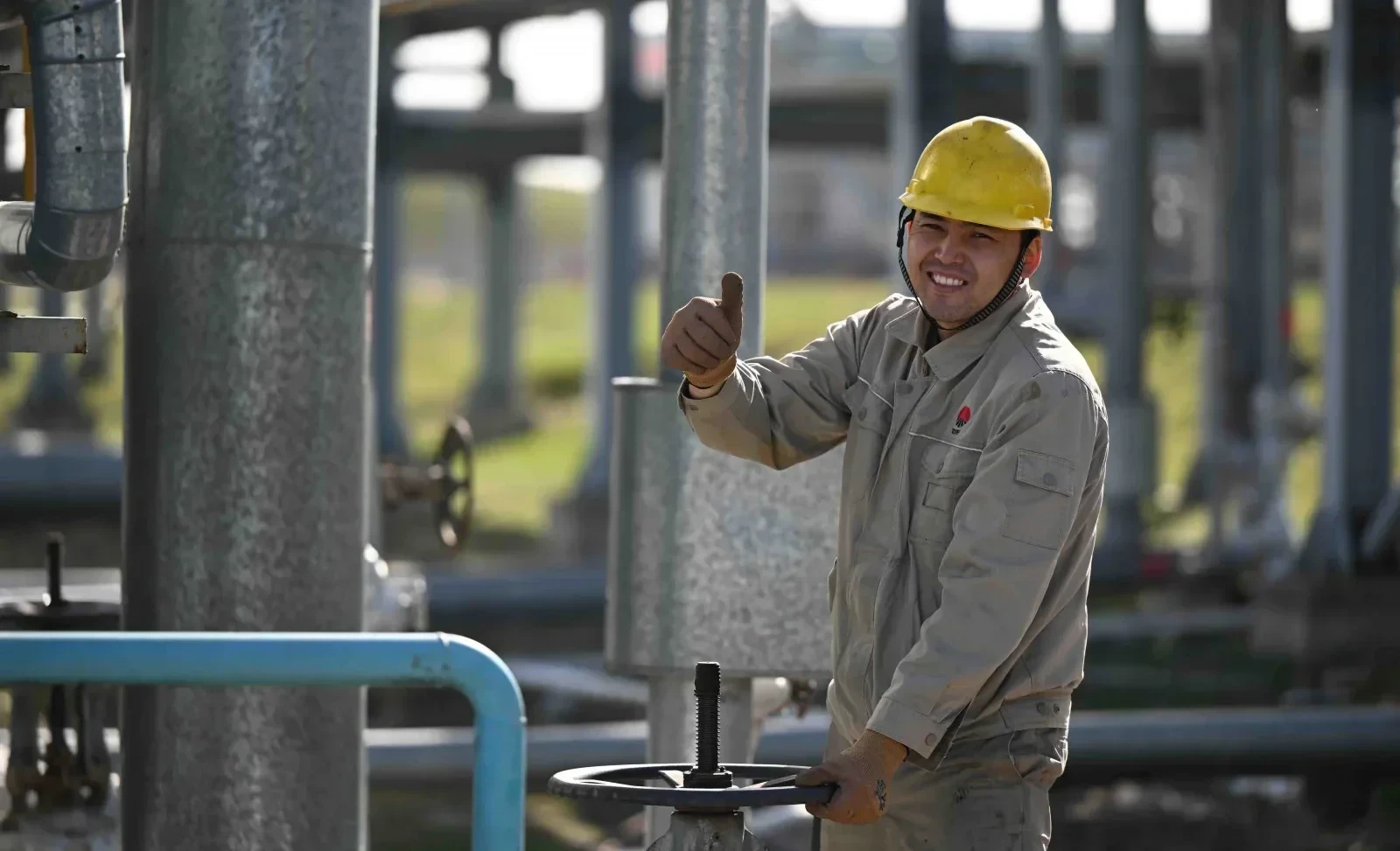
Growth is observed due to several factors. First of all, it is related to the development of industry, as well as the dynamic growth of the service sector and the construction industry.
For example, the construction sector has shown significant growth rates over the past 2–3 years, reaching at least 20%. By the end of 2025, GDP increased by 11%. In the first two months of 2026, growth was 8.8%. The largest increase (15.5%) is observed in industry, while construction showed growth of 23.2%, and trade over 11%. This indicates the potential for further development of these sectors, with the construction industry becoming the foundation for future economic growth.
In addition, the country continues to improve investment legislation, which enhances the investment climate. For investors willing to invest more than $10 million, individual cooperation conditions are offered:
the possibility of signing a direct investment agreement with the government, tax and customs benefits, assistance in selecting land plots for key employees, and visa support. Thus, investors can choose the most convenient conditions for themselves.
— What impact will large projects, such as the China–Kyrgyzstan–Uzbekistan railway and the Kambar-Ata-1 hydropower plant, have?
— The construction of the China–Kyrgyzstan–Uzbekistan railway will allow Kyrgyzstan, as a transit country, to receive about $10–15 million at the initial stage. This road will open a new route from China to the Middle East, passing through our country to Turkmenistan, Azerbaijan, and further to Europe. Delivery times will be reduced by 7–15 days compared to the route through Kazakhstan and Russia. Also, due to differences in track width between Kyrgyzstan and China, a transshipment station will be located on our territory, which will create new jobs, a customs terminal, and allow for the development of services. Furthermore, there will be opportunities for the development of deposits along the railway, creating new sources of income and ensuring rail connections with Pakistan, Iran, Afghanistan, and Europe.

As for the Kambar-Ata-1 hydropower plant, construction has already begun. The capacity of this station is about 1.4 gigawatts. Currently, Kyrgyzstan produces 15.4 billion kWh of electricity, while consumption is 19 billion kWh, leading to a deficit of over 3 billion kWh. However, in recent years, more than 15 small hydropower plants have been built, construction of Kambar-Ata-1 has started, and stations for generating electricity from solar and wind energy are being launched. Within 2–3 years, this should fully cover the electricity deficit and allow for exports through the CASA-1000 project to countries such as Afghanistan and Pakistan. All these steps will contribute to achieving the goal of increasing GDP to $30 billion by 2030.
— What are the growth indicators in agriculture, which have been 3–4% in recent years?
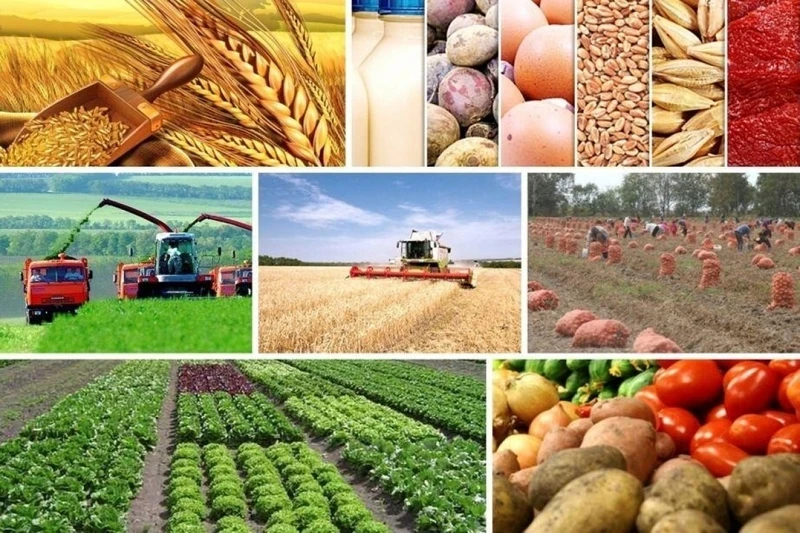
— Yes, growth in agriculture is 3–4%, however, this sector has much greater potential. It ensures food security, while over 60% of the population lives in rural areas. There are more than 300,000 small farms in agriculture. However, their number is too large: with 1.2 million hectares of agricultural land, each farm averages about 2.5 hectares. To achieve higher growth rates, it is necessary to focus on consolidating farms.
In conclusion, it is worth noting that the growth of gross domestic product in recent years has been largely ensured by the active development of industry, construction, and the service sector. Particularly high growth rates are observed in construction and manufacturing, while the improvement of the investment climate creates a solid foundation for sustainable economic growth. The implementation of large projects expands transit opportunities and ensures energy security, which in turn will make a significant contribution to the further development of Kyrgyzstan.