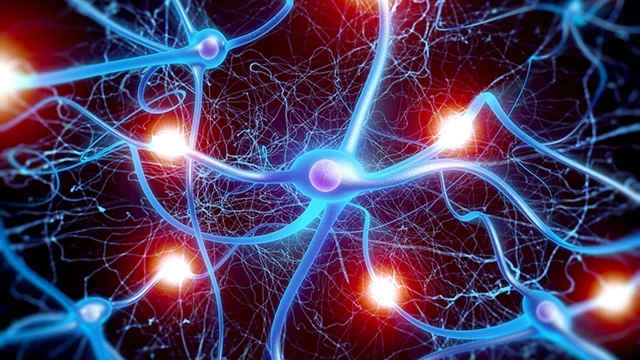
Researchers from the University of Barcelona have presented a new experimental drug called FLAV-27, which has demonstrated the ability to restore memory in mice suffering from Alzheimer's disease. The results of the study were published in the journal Molecular Therapy, as reported by the Lenta.Ru agency.
Unlike traditional medications aimed at removing beta-amyloid plaques, FLAV-27 affects deeper aspects — regulating gene activity in neurons. This drug utilizes an epigenetic mechanism, blocking the enzyme G9a, which is known to suppress genetic processes related to memory and the formation of neural connections in the disease. Reducing G9a activity helps normalize neuronal function, which in turn leads to memory restoration. Experiments on animals showed that the drug not only reduces the accumulation of pathological proteins, such as beta-amyloid and tau, but also contributes to a noticeable improvement in cognitive functions. Mice exhibited restoration of short-term and long-term memory, spatial orientation, and social behavior, as well as improvements in synaptic structure in the brain.
According to the researchers, the results indicate that changes in the epigenetic regulation of genes may play an important role in the development of Alzheimer's disease. If future studies confirm the effectiveness of this approach, such drugs could not only slow the manifestations of the disease but also influence the very mechanism of its progression.
Adelya Klycheva