The work on creating the EDB began in 2018-2019, utilizing the experience of the Turkish system, which was recognized as exemplary by the World Health Organization.
In 2022, with the support of the President of the country, the active implementation of the second phase of the EDB began: a pilot version of the traceability module was launched over six months, allowing for tracking the path of a medicine from production to the patient. In March 2023, the system became fully operational.
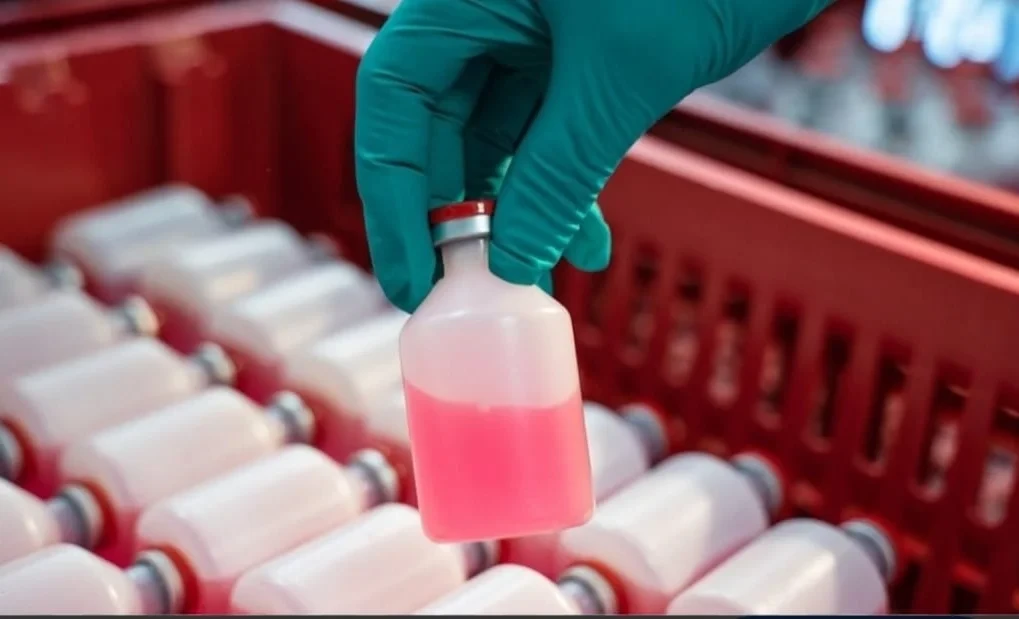
Each package of medication now has a unique QR code that provides information about the name of the drug, the manufacturer, the date of release and batch, as well as the place of sale and regulated price, if a state price is set for the drug.
The system records the movement of the medicine, including its crossing of the border, arrival at the warehouse, dispatch to a pharmacy or hospital, and issuance to the patient. The QR code is deactivated upon completion of issuance. All information is stored in the database of the Department of Medicines and Medical Devices and is updated in real time.
Interestingly, Kyrgyzstan did not develop its own QR code standards. The system was adapted with the help of Turkish specialists to read codes used in most countries, significantly simplifying the import of small batches of medications.
Currently, 291 medical organizations and 2261 pharmacies are involved in the traceability system.
AKIpress conducted an interview with representatives of the Department of Medicines and Medical Devices to find out why such a system is important for the country, what benefits it provides to citizens, and how patients can check the quality and authenticity of medicines.
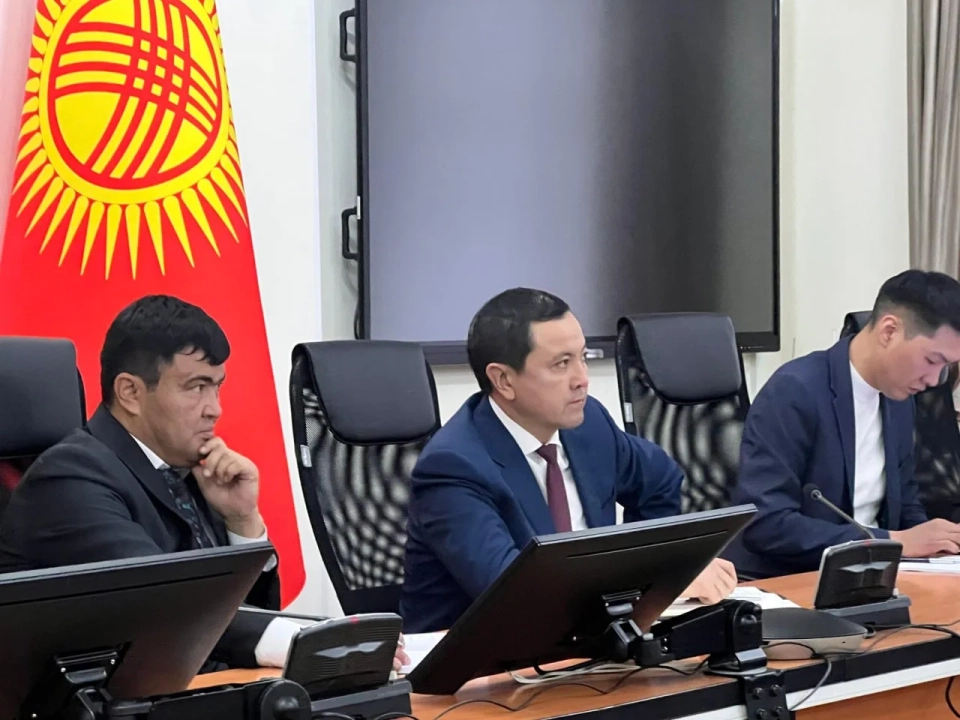
The discussion included Deputy Director of the Department Mariyam Jankorozova, Head of the Information and Technical Support Department Nuradin Kanataev, and developer of the mobile application "Dary-Darmek" Mirbek Kuduretev.
- The issue of the traceability system for medicines in Kyrgyzstan has been discussed for quite some time. Its implementation began under the previous Minister of Health Talant Batyraliev, and in 2023, with the support of the state and the president, the second phase of the reform started. The scale of the work was indeed significant.
Mariyam Jankorozova: In the modern world, digital labeling can be applied to various consumer goods, such as cigarettes, alcohol, fur products, or jewelry. However, it should be understood that medicines and medical devices represent a special category of goods, the safety, efficacy, and quality of which cannot be determined without professional assistance.
Thus, the traceability of medicines and medical devices is an integral part of a broad state regulatory system that encompasses a three-tiered control over the safety, efficacy, and quality of pharmaceutical products:
1) State registration.
All medicines and medical devices must be registered in the country after detailed specialized expertise. For this, the manufacturer submits a registration dossier to the authorized regulatory body (DLS and MI under the Ministry of Health of the Kyrgyz Republic). If the expertise is positive, the product is included in the state register of registered medicines and medical devices of Kyrgyzstan or, following the necessary procedures, in the register of the EAEU. The use of the drug for medical purposes or its import into the country becomes possible only after registration.
2) Quality control after registration: during import/production or selection of products from the market.
Each batch of medicine undergoes quality assessment. Laboratory control is carried out in accordance with regulatory documents containing methods of verification and quality indicators. Only after successful verification is a specific batch allowed for sale. If the technology or composition of the drug changes, the regulatory document is amended, and subsequent batches are checked according to updated methods.
3) Pharmacovigilance (Drugs)/Safety monitoring (MD): monitoring the safety of products on the market through the collection of spontaneous reports or active pharmacovigilance.
In case of receiving reports of adverse reactions to a drug, including serious ones, the use of the drug may be suspended, and an investigation must be conducted. Based on the results of this investigation, the product may be recalled from circulation. In case of serious incidents, the regulator has the opportunity to quickly suspend the use of a specific batch of medicine, which may be present at all levels of the supply chain. It is important to note that the EDB has a function for suspending the use of a drug or recalling it with the push of a button.
All regulatory measures imply mandatory licensing of participants in pharmaceutical activities, compliance with good manufacturing practice (GMP) standards, as well as good distribution practice (GDP) and others.
The traceability system is integrated into this multilayered regulatory process: starting from state registration, import control, and quality assessment of each batch, through wholesale and retail links, each package of medicine is monitored at all stages. This ensures that a registered drug, rather than a counterfeit, enters the country.
Thus, the digitalization of the medication system encompasses the entire regulatory process: from registration to import, quality assessment, and traceability.
The automation and informatization of our system (EDB) fully comply with national legislation in the field of circulation of medicines and medical devices, ensuring a validated point of entry for goods. We know for sure that the drug came from the production site that was registered and approved in the process of state registration of the product. This distinguishes our system from the labeling of other goods, where QR codes can simply be purchased and affixed to products.
In the case of medicines, the system works differently: it starts with the registration of the manufacturer and the drug, and then the traceability mechanism is activated.
- How do medications enter the market in Kyrgyzstan?
Nuradin Kanataev: To introduce a drug into the country and sell it in pharmacies, two conditions must be met: 1) the drug must be registered in Kyrgyzstan and included in the state register available on the Department's website; 2) each batch must undergo quality verification in the Department.
If the samples selected for quality verification successfully pass laboratory control, the batch is allowed for circulation in the country, and information about all issued conclusions is published on the department's website.
Kyrgyzstan is a small country with a limited volume of medication consumption. The total market for medicines and medical devices is about 30 billion soms, comparable to the budget of a small factory in Europe. Therefore, we cannot impose additional requirements on global manufacturers.
If the factory already applies a labeling code, it is convenient, and our system can read almost all international code formats. If the manufacturer does not print separate codes for Kyrgyzstan, we do not require this, as we already have a number of complex requirements, such as the presence of instructions in the Kyrgyz language.
To avoid complicating the import process, there is an option to apply stickers with codes already within the country. The principle remains the same: as many packages are imported into Kyrgyzstan, the same number of codes are issued and uploaded into the system. This serves as a validation point that ensures control over the volume and authenticity of the product.
Mariyam Jankorozova: This point is indeed important. For example, fiscal systems operate on a different principle: the operator sells their codes, keeps track of them, and monitors the turnover based on the issued codes.
Our system is structured differently. To avoid shortages and not complicate imports, we have provided a maximally flexible mechanism. The system can read almost all international code formats.
If the manufacturer does not have suitable codes, our system can generate them independently — this is done free of charge. This is necessary so that our requirements do not lead to a reduction in supplies, ensuring that the population does not face a shortage of medications.
Thus, codes are uploaded into the system only for those batches that have passed quality verification. After that, full traceability of each batch and package of the drug begins.
- How many names of medicines are tracked in the system?
Nuradin Kanataev: About 7000 names of medications are registered in the country. However, not all of them are actually imported, and not all are subject to traceability.
We do not track drugs costing less than 100 soms to avoid affecting their price. Additionally, there are technical limitations. For example, some inexpensive drugs are packaged in paper packaging with a rough surface — the scanner may not read the code, and the sticker may simply peel off.
Currently, traceability covers about 2000 names.
Mariyam Jankorozova: It is important to understand that the word "traceability" is the end result. Before that, there is a significant stage of automation and digitalization of the entire regulatory system.
Our system is not just about tracking goods, as in fiscal systems. It is an integrated regulatory system that begins with the registration of the drug and then includes import procedures, quality assessment, and only then — traceability.
All these stages are enshrined in legislation: the rules for registration, import, and quality assessment are defined by government resolutions. Our industry laws explicitly state that the system for the circulation of medicines and medical devices must be transitioned to an electronic management format.
Therefore, it is more accurate to call our system the electronic database of medicines and medical devices, where traceability is just one of the modules.
Fiscal systems for ordinary goods function differently. In the case of cigarettes or other categories, state registration is not required, where a manufacturer's dossier must be provided, and laboratory control is conducted for each batch. For medicines, these are mandatory stages, considering the safety of citizens' health.
This is why a more complex and comprehensive system is applied to medicines, in accordance with legislative requirements.
- What changes have occurred for the population after the implementation of the electronic database?
Mariyam Jankorozova: The main result for citizens is the mobile application "Dary-Darmek." All legally registered and allowed for circulation in the market drugs are reflected in this application.
Mirbek Kuduretev: The application is integrated into the EDB. It allows users to find a drug and check whether it has been officially imported. Simply scan the QR code on the package, and the system will show information that the medicine has passed state registration and quality assessment, as well as the quality certificate number.
If the system reports that the drug is not in the database when scanned, it means that it was not officially imported or did not pass laboratory verification (or is currently not subject to traceability for drugs below 100 soms). Thus, the buyer can immediately verify the authenticity of the medicine and protect themselves.
Additionally, the application displays the maximum retail prices for drugs whose prices are regulated by the state. If a pharmacy sells a drug at a price higher than the established one, the user can file a complaint through the application: select the drug, attach the receipt, and provide their contact details. This information is necessary for the authorized bodies to officially register the complaint.
The complaint is sent to the EDB, reviewed, and the applicant receives feedback on the results of the inspection.
The application also provides access to the instructions for the drug, which can be viewed or downloaded.
Thus, the application allows citizens to check the authenticity and quality of medications, monitor prices, and, if necessary, protect their rights.
- Is it possible to check the availability of medications in the country?
Mirbek Kuduretev: Yes, such an opportunity exists. The application has a search function: you need to enter the name of the drug, and the system will show its availability on the map of Kyrgyzstan.
To avoid overloading the system, the search displays information within a certain radius, for example, within a few kilometers from the user's location.
- Can it be said that all pharmacies in the country are connected to the medication traceability system?
Nuradin Kanataev: Mostly, yes. Large distributors do not release goods to those who are not registered in the system. The transfer of medications is only possible through the electronic database, so pharmacies are forced to connect.
As the Department of Medicines and Medical Devices, we have a complete picture for each drug. For example, for a specific medicine, the system will show in which medical institutions and pharmacies it is available and in what quantity. If one package is written off, the remaining amount changes in real time. We can monitor data for any region and any organization.
Mariyam Jankorozova: This system is especially important for medications provided to privileged categories of patients — people with chronic diseases, epilepsy, bronchial asthma, and other diagnoses. In the future, the system can be used to monitor the situation with the availability of medications. If these data are compared with the patient registry, it will be possible to more accurately forecast needs. For example, to monitor the availability of medicines for palliative care or vital medications.
The system contains information about imports and stocks, allowing for analysis of the situation and warning of potential shortages. Additionally, a stock monitoring module for state hospitals is provided: this module allows tracking the arrival of medications in hospitals and their movement there, regardless of whether they are subject to traceability, and will allow redistributing excess between hospitals. This module is currently being put into operation. It is a very useful tool for the Ministry of Health, which will have the opportunity to see the entire situation in the country. Such functionality is extremely important for inventory management, especially in various emergency situations.
The potential of the system is enormous. With full implementation and the development of analytical tools, the Ministry of Health will have opportunities to improve the provision of medicines to the population.
- Currently, two modules are functioning. What other three modules are in the works?
Nuradin Kanataev: These are the modules for the registration of medicines and medical devices, their document flow, and integration with the common processes of the EAEU. These three modules have not yet been accepted, however, part of the functionality of the registration module according to national rules is already operating in test mode.
Mariyam Jankorozova: Initially, the traceability module and the stock monitoring module in hospitals were adopted. However, only one has been implemented — traceability. The stock monitoring module in hospitals is currently being implemented, as until recently there were not enough staff. This module is extremely important for effective inventory management, especially for the Ministry of Health.
For example, to track the availability of medications in the healthcare network, such as insulins. Insulins are supplied by the state and distributed throughout the healthcare network. As a result, it turns out that in one place the drug is in excess, while in another it is lacking. This is not a commercial supply, so the Ministry of Health could quickly redistribute medications across the country.
Currently, the Ministry of Health is forming a registry of diabetics. If all this is combined into a single system, it will be possible to account for the needs of each patient, as insulin comes in different types and each patient needs a specific one. This will ensure more accurate and targeted distribution of medications.
The EDB covers the entire legislative cycle of drug circulation — all necessary functions are provided. For example, the system tracks expiration dates: it shows when the expiration date is approaching.
If for any reason related to a life threat, it is necessary to urgently recall a drug from the market, all pharmacies will be notified of this in the system — a ban on the sale of a specific batch of medicines will appear.
- More than 25 million packages have been withdrawn from circulation. Can it be tracked how many medications have already been used?
Nuradin Kanataev: We have information about withdrawals displayed immediately. We can see who has used how much and how much has been withdrawn from circulation. This helps track the movement of the drug to the end consumer.
Complete information about which patient received the medicine will become available after integration with the electronic prescription system. This process is led by the Ministry of Health, so for now, we do not have data on the end consumer.
- Does the traceability system help reduce corruption risks in the medication market?
Mariyam Jankorozova: Yes, and it is important to understand the mechanism here. If we are talking about regulatory documents on quality, laboratory control is not always mandatory for reliable manufacturers and direct supplies. For such supplies, documentary control is sufficient — confirmation that the drug was produced and supplied specifically from a verified manufacturer. This allows for the reduction of excessive regulatory procedures, saves time, and lowers costs without slowing down access to medications for patients.
The digitalization of the regulatory system makes the work of the regulator and participants in the pharmaceutical market transparent. All decisions and procedures of the regulator are recorded in the EDB, and they cannot be manually altered after the full implementation of all modules. This should reduce all corruption components in the pharmaceutical sector of the country.
Thus, the EDB was conceived as a powerful anti-corruption tool: it increases the accountability of the regulator, prevents counterfeit and smuggled drugs from entering the market, protecting the population, and strengthens citizens' trust in the state and the healthcare system.
- Has the system managed to control and reduce smuggling? Are there any results?
Nuradin Kanataev: Yes, there are indeed results. For example, many medical centers have started purchasing medicines exclusively from official distributors. Previously, this was done by a few, but now all centers are transitioning from the "black market" to official supplies.
Additionally, according to data from the association of pharmaceutical manufacturers and suppliers, in 2022, the share of smuggled medications was about 30-40 percent. Each year, the volume of officially imported medicines increases by about 2 billion soms, while consumption remains at the same level. This indicates a decrease in the share of smuggling and an increase in the proportion of officially imported drugs.
Mariyam Jankorozova: Additionally, the EDB provides the opportunity to track leaks of drugs from official circulation to illegal (for example, to the market). If a medication from a hospital ends up in a private pharmacy or at the market, this can be determined by the unique QR code and the source of the leak can be identified. While not everyone actively uses this opportunity yet, it already exists, which further enhances control and reduces risks of unofficial circulation.
- At the meeting of the Ministry of Health's board, the completion of the traceability system for medicines was discussed. Is work already underway?
Nuradin Kanataev: There is an order for us to accept the module for the registration of medicines. Currently, a commission for acceptance is working, two meetings have already taken place, and today the commission is meeting for the third time, so the process is ongoing. I remind you that when talking about traceability, we are referring to the EDB.
- Can we expect that the system will be fully operational within a year?
Mariyam Jankorozova: Overall, the traceability system is functioning in full. The traceability module was adopted back in 2022: it was launched nationwide, training was conducted, and it is now operational.
What is still not completed concerns the modules for the registration of medicines and medical devices. People sometimes confuse this, thinking that the system "does not work," but in fact, traceability is functioning. It remains to finalize the part related to registration, document flow, and integration with the common processes of the EAEU.
Registration is a complex process of expertise: studying a dossier of thousands of pages, pharmacological, pharmaceutical expertise, and laboratory testing. Usually, registration takes about 180 days, and there are expedited procedures for strict regulators and manufacturers prequalified by WHO. Currently, this process is being fully digitized: online application submission, distribution to experts, tracking the time of expert work, the queue of applications, recording the results of expertise and decisions in digital format, issuing electronic registration certificates, and entering data into the state register.
Part of the registration is already functioning in "combat" mode, including the formation of invoices and interaction with laboratories. The remaining stages involve the acceptance of registration for medical devices, which will complete the digitization of national registration procedures.
- Can you tell us about the import process and document verification for medications?
Nuradin Kanataev: Each application includes all necessary documents — contract, invoice, quality certificates, accompanying documents, and others.
For one drug, we see the complete set of documents. The supplier uploads them into the system through a personal account. After verification by our staff, the applications are sent to customs, where an electronic customs folder is formed. Everything happens online — customs brokers and the State Customs Service instantly gain access to the documents.
Mariyam Jankorozova: Certificates for customs clearance are usually signed within one day. About 80-90% are issued on the same day. After that, customs clearance occurs, and then the product goes through the quality assessment procedure.
- What happens if errors are found in the documents?
Nuradin Kanataev: If there are discrepancies, for example, if a barcode is missing — the application is returned for revision. After correction, it undergoes verification again.
All quality conclusions are available in the register of the Department of Medicines on the website. Any hospital or citizen can check a specific batch of goods on the website, ensuring that it was officially imported and passed laboratory control.
- What will the state gain when the system operates at full capacity?
Mariyam Jankorozova: Ultimately, the state will gain complete transparency in the work of the regulator and its accountability in decision-making regarding all its regulatory procedures, as well as for the entire pharmaceutical market.
Market transparency is an indicator of proper state regulation. This will allow
to quickly obtain information about the movement of medicines and medical devices throughout the supply chain, stocks, consumption, and other analytical information.
This will enable timely and adequate management decisions based on reliable data.
This will enhance the awareness and safety of citizens using medicines and medical devices.
The system will increase the efficiency of the regulator's work, expedite procedures by reducing manual processes. Previously, registration dossiers for medicines and medical devices were stored in archives, making it difficult to work with them. In the future, all dossiers will be in electronic form in the EDB. If an investigation into quality is required, all documentation can be quickly checked, samples can be selected, and retesting can be conducted. The entire supply chain has already been digitized, which speeds up processes and reduces the likelihood of errors and corruption risks.