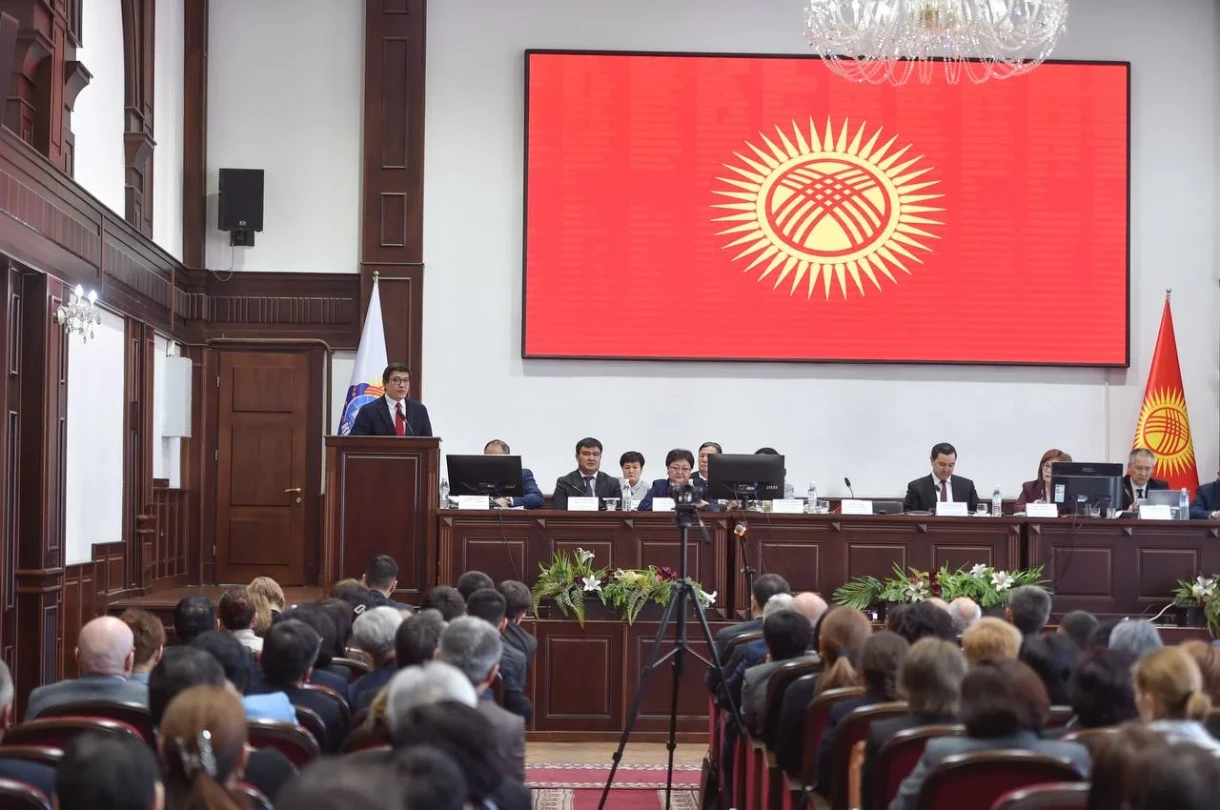
The new rules establish key requirements for organizational and sanitary-anti-epidemic actions that must be implemented by all government bodies and enterprises, regardless of their ownership form.
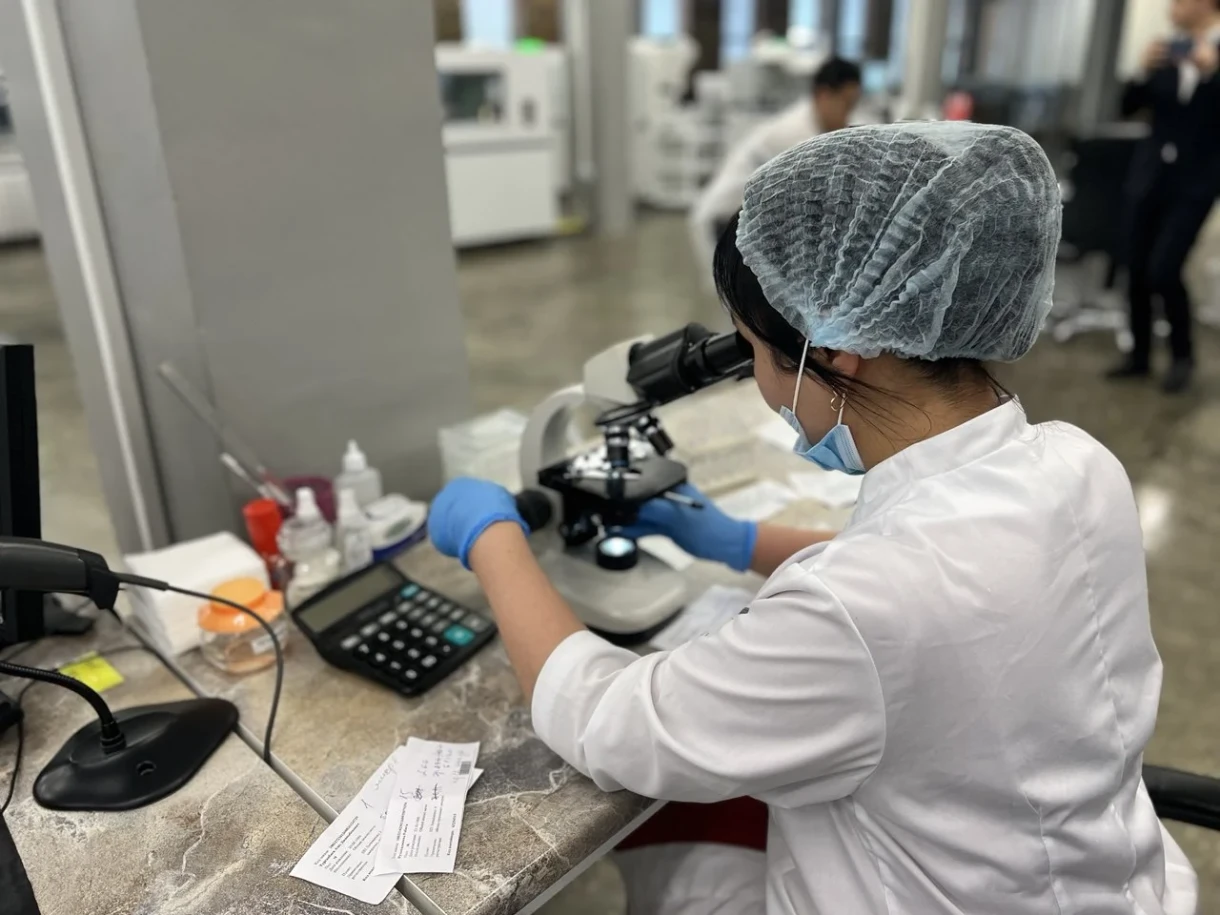
The creation of this document is due to the current epidemiological situation in the world, including recent outbreaks of diseases such as COVID-19, as well as potential threats from the use of dangerous infectious agents in terrorist acts. The COVID-19 pandemic has highlighted the importance of a coordinated approach among various services to protect the population.
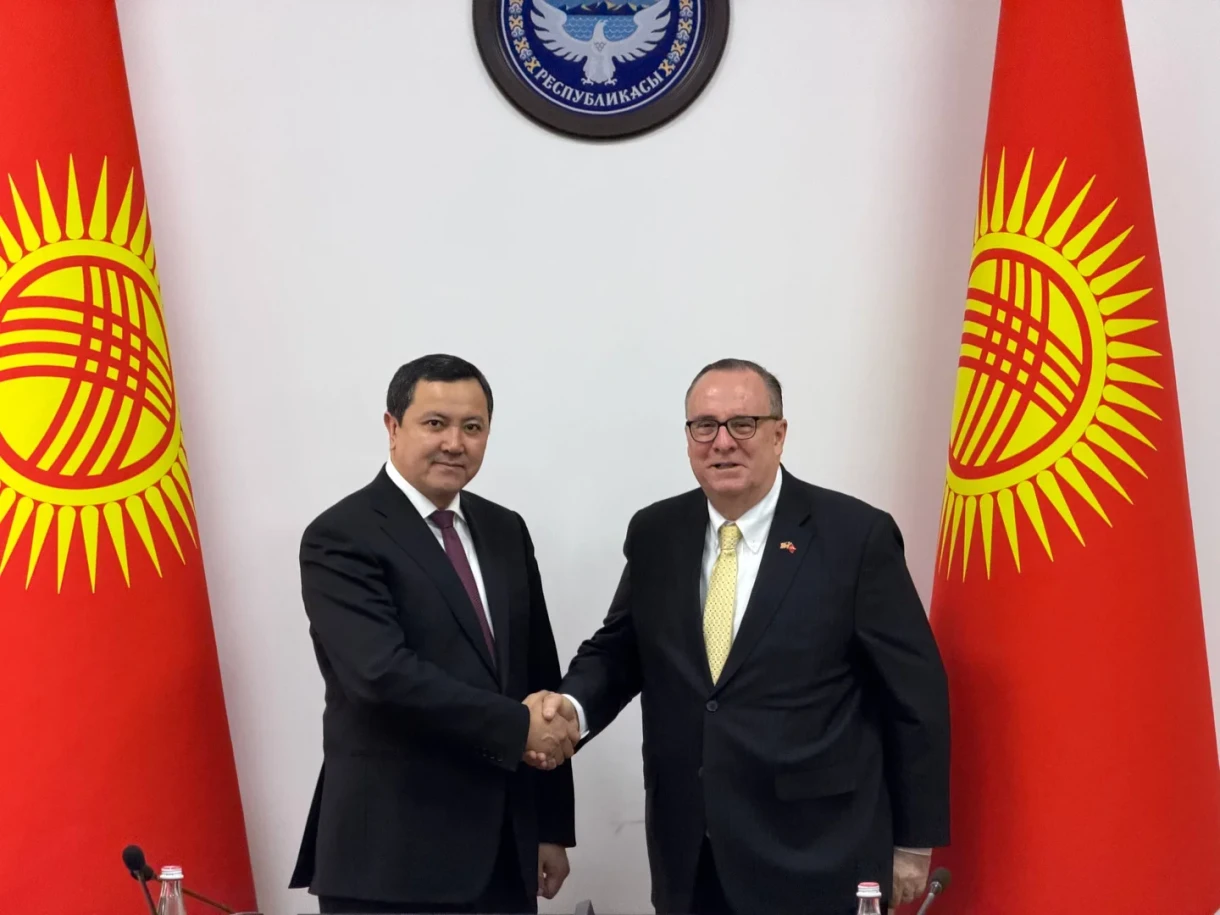
The proposed draft includes the formation of a system of interaction between key ministries, including health, internal affairs, finance, defense, natural resources, as well as local authorities and representatives of the president in the regions.
The comprehensive plan describes the procedure for organizing and implementing joint preventive measures in case of emergencies related to quarantine and especially dangerous infections. It aims to implement the provisions of the law "On Public Health" and protect the health of the population from external biological threats.
Rules for Sanitary Protection of the Territory of the Kyrgyz Republic
Appendix 1.
1. Introduction
1. The Rules for Sanitary Protection of the Kyrgyz Republic (hereinafter referred to as the Rules) establish requirements for organizational and sanitary-anti-epidemic measures to protect the territory of the country from the importation and spread of quarantine and other infectious diseases that pose a danger to public health.
2. These Rules are mandatory for implementation by all government bodies, enterprises, and officials.
2. General Provisions
3. These Rules have been developed in accordance with the laws of the Kyrgyz Republic, including "On the Protection of Citizens' Health," "On Public Health," "On the State Border," and other international agreements, as well as the requirements of the International Health Regulations (2005).
4. The Rules cover quarantine and other infectious diseases defined in the Agreement on Sanitary Protection of the Territories of the CIS member states.
5. Sanitary protection of the territory includes measures aimed at preventing the importation and spread of diseases, their localization, and elimination. In the event of diseases not covered by the Rules, all actions to prevent them will be carried out in accordance with the instructions of the Ministry of Health.
6. Sanitary protection includes organizational, sanitary-hygienic, and medical-preventive measures on all types of international transport and throughout the territory of Kyrgyzstan.
7. Health organizations and territorial disease prevention centers ensure sanitary supervision over the implementation of measures for the protection of the territory.
8. Sanitary protection measures are developed in each administrative district and included in the comprehensive plan for anti-epidemic measures approved by the Cabinet of Ministers of the Kyrgyz Republic.
9. The Ministry of Health will provide operational information about the situation with infectious diseases abroad and in the country, as well as ensure interaction with other ministries and services.
10. In the event of infectious diseases being identified among foreign citizens, the Ministry of Health will provide necessary assistance and notify the Ministry of Foreign Affairs.
11. Citizens traveling to countries where preventive vaccinations are mandatory will be provided with a list of necessary vaccines.
12. The Ministry of Health will carry out international cooperation on issues of epidemiological surveillance and inform the World Health Organization upon request.
13. Measures of responsibility for non-compliance with the Rules are provided, including bans on entry and exit, as well as sanctions in accordance with the legislation.
14. In case of a threat of disease spread, temporary restrictions or quarantine may be imposed on individuals and cargo crossing the border.
15. Restrictive measures will be introduced by decision of the Coordination Council, agreed with the Ministry of Health.
16. Upon completion of the elimination of disease outbreaks, reports on the work carried out will be prepared, and changes will be made to preventive measures plans based on identified shortcomings.
3. Measures on International Transport Vehicles and at Border Crossing Points of the Kyrgyz Republic
17. The Ministry of Transport and Communications will ensure the anti-epidemic readiness of all vehicles traveling outside the country.
18. Sanitary-quarantine points will be organized for joint training of personnel engaged in international transportation.
19. Vehicle commanders must inform administrations and sanitary services about the detection of sick individuals and rodent deaths.
20. Main symptoms indicating infectious diseases will serve as grounds for suspicion.
21. Airport and station administrations must notify in advance about the health status of arriving vehicles.
22. Sanitary-quarantine control includes medical examination, declaration checks, and sanitary inspection of vehicles.
23. In case of detection of infectious patients, vehicles are subject to sanitary-quarantine control.
24. Sanitary inspection is conducted at border crossing points and includes checking medical documents.
25. After the sanitary inspection is completed, border and customs control will be conducted.
26. Employees of sanitary-quarantine points have access to vehicles and premises where passengers and cargo are located.
27. After the sanitary inspection is completed, a permit for the further movement of the vehicle will be issued.
28. Border and customs services will assist in conducting sanitary measures.
29. Aircraft and vehicles without sick individuals on board will receive permission for free movement.
30. Employees of sanitary-quarantine points will conduct selective sanitary inspections.
31. The administration of border crossing points will provide the necessary conditions for sanitary inspection and temporary isolation.
4. Sanitary-Anti-Epidemic Measures
32. Sanitary-anti-epidemic measures include informing about suspicious cases of diseases.
33. If necessary, temporary isolation of patients and medical observation will be organized.
34. If a disease is detected on a vehicle, measures to restrict movement will be applied.
35. In case of detection of diseases in rodents, deratization and disinfection will be carried out.
36. After all necessary measures are taken, a permit for free movement will be issued.
37. In case of violations of legislation, orders will be issued to eliminate violations.
38. If individuals die from infectious diseases, relevant services will be involved.
39. Disinfection and deratization of vehicles will be carried out in accordance with established norms.
40. Sanitary protection measures will be applied to all vehicles, including military ones.
41. If necessary, health checks of passengers and crew members will be conducted.
42. Special measures will be applied to international postal shipments.
43. Citizens traveling to countries where vaccinations are required will be checked at sanitary-quarantine points.
5. Special Measures to Prevent Cholera
51. The incubation period for cholera is up to 5 days.
52. In case of detection of a cholera patient, measures will be taken for their hospitalization.
53. Disinfection and sanitation will be carried out in accordance with established norms.
54. Measures to prevent plague will also include sanitary control.
55. The incubation period for plague is 6 days.
56. Strict precautionary measures will be applied in case of detection of plague cases.
57. Measures to prevent yellow fever will include vaccination and disinfection.
58. Control over the spread of viral hemorrhagic fevers will also be carried out.
59. Vehicles leaving endemic areas will be subject to disinsection.
60. All measures for territory protection will be organized in each administrative territory.
61. Anti-epidemic measures will cover all aspects of public health protection.
62. Health protection measures will be discussed at meetings of local coordinators.
63. Compliance with sanitary protection norms will be monitored.
64. The need for quarantine will be determined based on the analysis of the situation.
65. Health protection measures will be taken in accordance with current legislation.
66. All information about the measures taken will be communicated to the population.
67. Participation of all government bodies in sanitary protection will be mandatory.
68. Anti-epidemic measures will be conducted until the threats are completely eliminated.
Comprehensive Plan
Appendix 2
Comprehensive Plan*
for anti-epidemic measures for sanitary protection of the territory of the Kyrgyz Republic from the importation and spread of quarantine** and especially dangerous*** infectious diseases that pose a threat to public health and the health of the population for the years 2026-2030
| № p/p | Measures | Execution Period | Executors |
| 1 | 2 | 3 | 4 |
| 1. | Organizational measures in the preparatory period | ||
| 1.1 | Develop and approve regional and departmental comprehensive plans for sanitary protection of the territory of the Kyrgyz Republic from the importation and spread of quarantine* and especially dangerous** infectious diseases that pose a threat to public health and the health of the population for the years 2026-2030, with alert schemes. | 2026 - 2030 (annually in the 1st quarter) | MoH, PPPC, MGA, city mayors (by agreement) |
| 1.2 | Develop and approve territorial sanitary-hygienic plans to ensure: - control of the sanitary-hygienic condition of populated areas, children's health organizations, public catering and trade enterprises, places of mass gatherings; - priority construction and reconstruction of water supply and sewage facilities of vital epidemiological importance; - quality food products and drinking water for the population; - uninterrupted and accident-free operation of treatment and sewage facilities; - stockpiling of disinfectants and decontaminants at water supply facilities, treatment and sewage facilities, and health organizations. | 2026 - 2030 (annually in the 1st quarter) | MoH, PPPC, MGA, city mayors (by agreement) |
| 1.3 | Ensure control over the implementation of the Comprehensive Plan for Anti-Epidemic Measures for Sanitary Protection of the Territory of the Kyrgyz Republic in health organizations. | in accordance with the readiness check plan | MoH |
| 1.4 | Ensure the readiness of health organizations in case of quarantine and especially dangerous infectious diseases. | based on the results of health organization checks | MoH |
| 1.5 | Identify hospitals for the hospitalization of patients or those suspected of quarantine and especially dangerous infectious diseases, providing for the re-profiling of bed capacity if necessary, allocating additional transport for the transportation of patients and individuals suspected of quarantine and especially dangerous infectious diseases. | constantly | MoH, PPPC, territorial health organizations, MGA, city mayors (by agreement) |
| 1.6 | Ensure a reserve of medicines, equipment, apparatus, property, personal protective equipment, immunobiological preparations, chemical reagents, disinfectants in accordance with the capacities of hospital and laboratory bases. | constantly | MoH, MGA, city mayors (by agreement) |
| 1.7 | Ensure the training of specialists for conducting preventive and anti-epidemic measures for sanitary protection of the territory of the Kyrgyz Republic from the importation and spread of quarantine and especially dangerous infectious diseases. | in accordance with approved departmental plans | MoH |
| 1.8 | Conduct interdepartmental demonstration training exercises on localization and elimination of outbreaks of quarantine and especially dangerous infectious diseases. | in accordance with approved departmental plans | MoH, MGA, city mayors (by agreement) |
| 1.9 | Submit to the MoH for analysis information on transport, tourist routes, and hunting and fishing areas in dangerous and potentially dangerous territories regarding plague and other especially dangerous infections. | annually | Ministry of Natural Resources, Ecology and Technical Supervision, Department of Tourism |
| 1.10 | Monitor the condition of territories unfavorable for quarantine and especially dangerous infectious diseases. | constantly | MoH |
| 1.11 | Inform the population on the prevention of quarantine and especially dangerous infectious diseases. | constantly | MoH, State Committee for Industry, Central and Local Media |
| 1.12 | Provide for the allocation of financial resources for planned and emergency preventive measures in case of emergencies in the field of public health. | annually | MoH, MGA |
| 1.13 | Ensure the uninterrupted operation of sewage treatment facilities, sanitation, and other special transport for the removal of waste and garbage. | constantly | MGA, city mayors (by agreement) |
| 1.14 | Discuss at meetings of territorial Coordination Councils and local state administrations the issues of ensuring sanitary-epidemiological well-being, the state of readiness of health organizations involved in the Comprehensive Plan. | annually | MoH, PPPC, MGA, city mayors (by agreement) |
| 2. Anti-Epidemic Measures Upon Detection of Patients with Quarantine and Especially Dangerous Infectious Diseases | |||
| 2.1 | Ensure the provision of operational information on the detection of quarantine and especially dangerous infectious diseases and the anti-epidemic measures taken according to the operational plan and alert scheme. | immediately | MoH, MGA, city mayors (by agreement) |
| 2.2 | Submit for approval a joint plan of measures for localization and elimination of the outbreak to the territorial Coordination Council: - a plan of measures for localization and elimination of the outbreak; - a phased plan for the deployment of hospital, laboratory bases, and other units; - a mobilization plan for forces and resources to work in the outbreak (health workers and other departments, material support, organization of food, etc.); - a mechanism for ensuring round-the-clock security of specialized organizations and epidemiologically significant objects; - a scheme, systems, and communication connections between services in the outbreak, public health organizations, and other departments (internet, telephone, and radio communication). | Based on the decision of the Coordination Council and the resolution on the introduction of restrictive measures (quarantine) of the State Sanitary and Epidemiological Service | MoH, Ministry of Internal Affairs, Ministry of Emergency Situations, Ministry of Defense, MGA, city mayors (by agreement) |
Note:
The Comprehensive Plan* - after the expiration of the specified term, is automatically extended for subsequent years, with adjustments made by the order of ministries, services, and organizations for five or more years.
Quarantine** (conventional) infections (plague, cholera, yellow fever).
Especially dangerous*** infections (including zoonotic) anthrax, brucellosis, typhus, Q fever, rabies, leptospirosis, foot-and-mouth disease, Covid-2019, and others defined according to the resolution of the Cabinet of Ministers of the Kyrgyz Republic "Procedure for Accounting, Registration, and Notification of Infectious Diseases and Early Detection of Emergencies in the Field of Public Health on the Territory of the Kyrgyz Republic" dated October 29, 2024, No. 650.
List of Abbreviations:
MoH - Ministry of Health
MGA – Local State Administrations
WHO - World Health Organization
MIA – Ministry of Internal Affairs
MES - Ministry of Emergency Situations
MFA - Ministry of Foreign Affairs
MoTC – Ministry of Transport and Communications
MoF – Ministry of Finance
MoEC – Ministry of Economy and Commerce
MoLSA – Ministry of Labor, Social Security, and Migration
DT – Department of Tourism
MoNRE – Ministry of Natural Resources, Ecology, and Technical Supervision
MoA - Ministry of Agriculture, Water Resources, and Processing Industry
MoD - Ministry of Defense
GKNB - State Committee for National Security
HO - Health Organizations
CC - Coordination Council
DPH - Department of Disease Prevention and State Sanitary-Epidemiological Surveillance
CPH - Center for Disease Prevention and State Sanitary-Epidemiological Surveillance (cities and districts)
RCPH - Republican Center for Prevention and Control of Especially Dangerous, Quarantine Infections
IMSHR 2005 - International Health Regulations
CIS - Commonwealth of Independent States
SCP - Sanitary-Quarantine Point
Mass Media – Mass Media
PPPC - Authorized Representative of the President in the Field