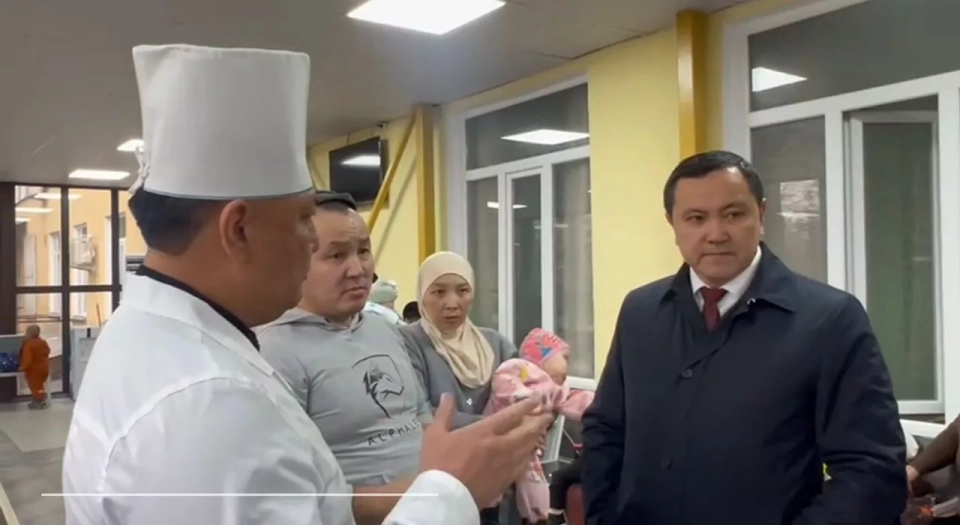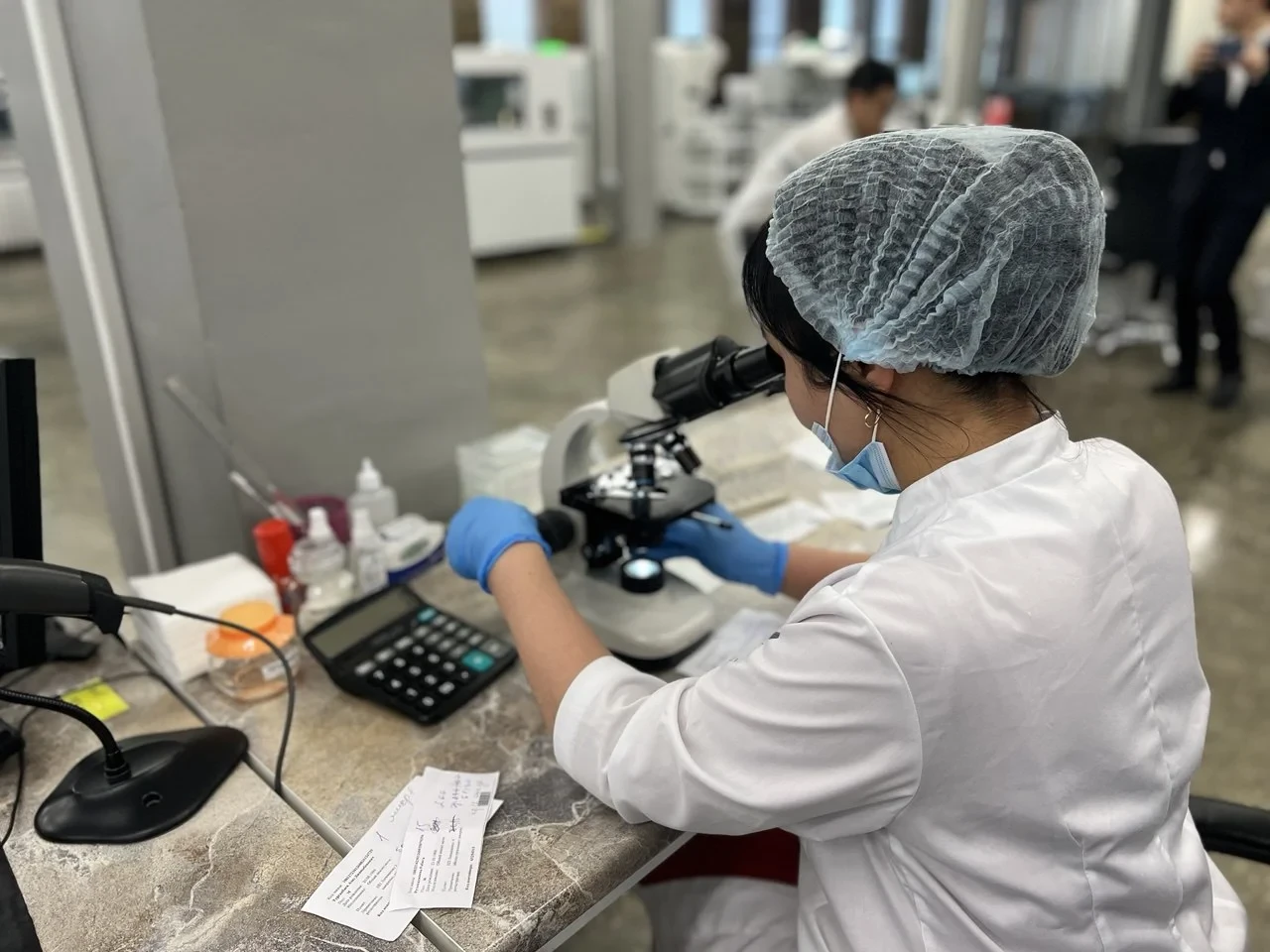
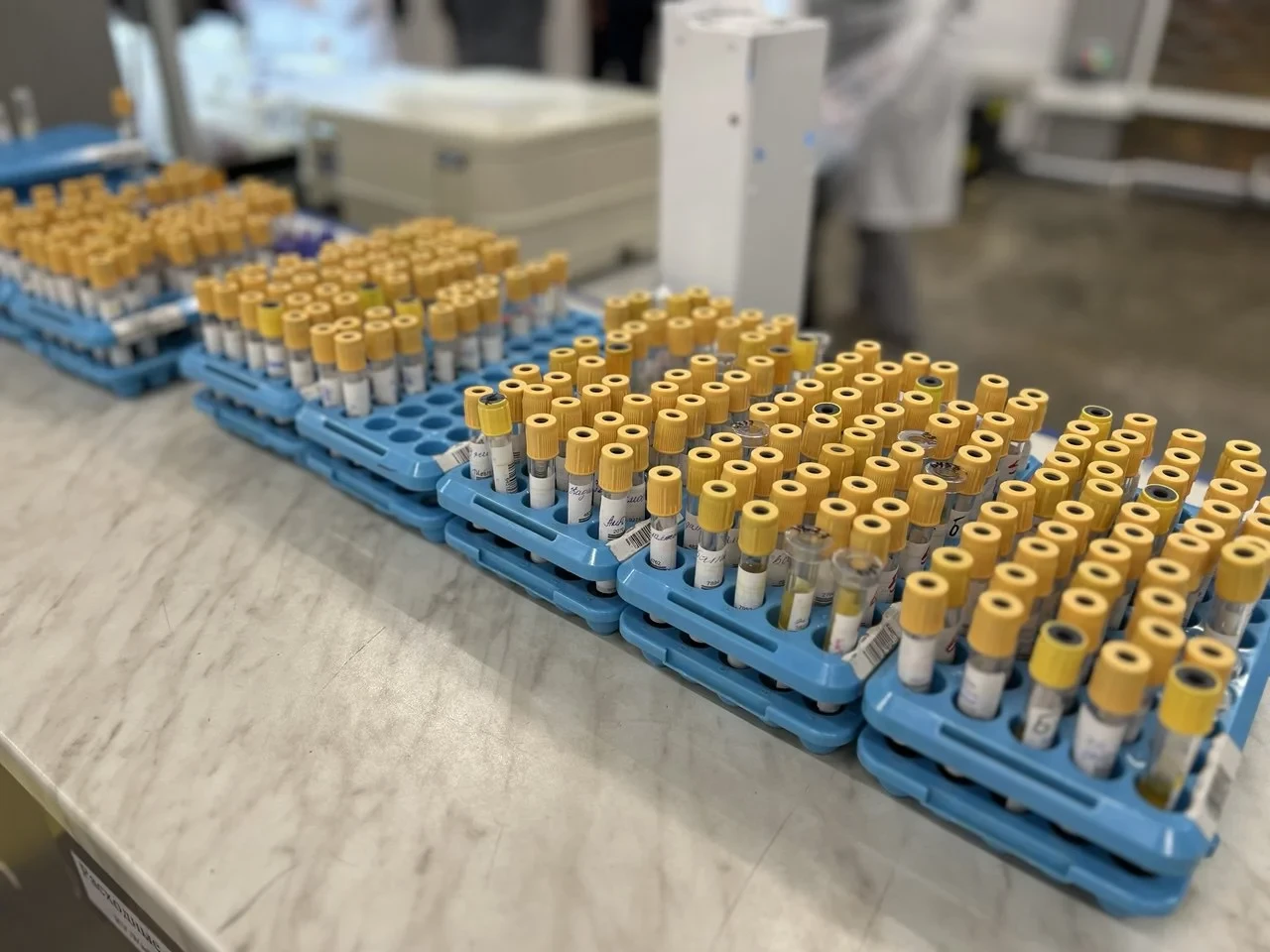
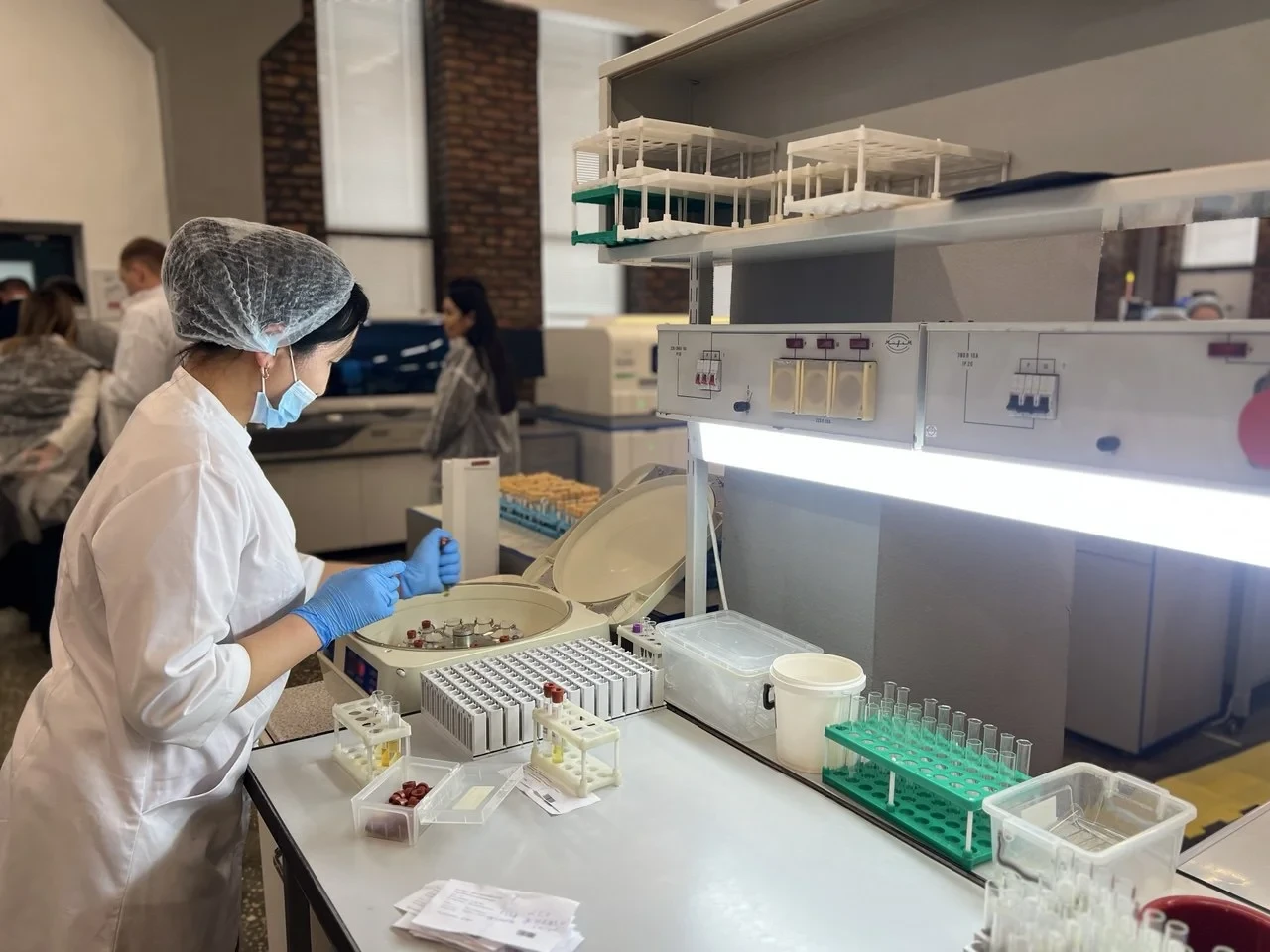
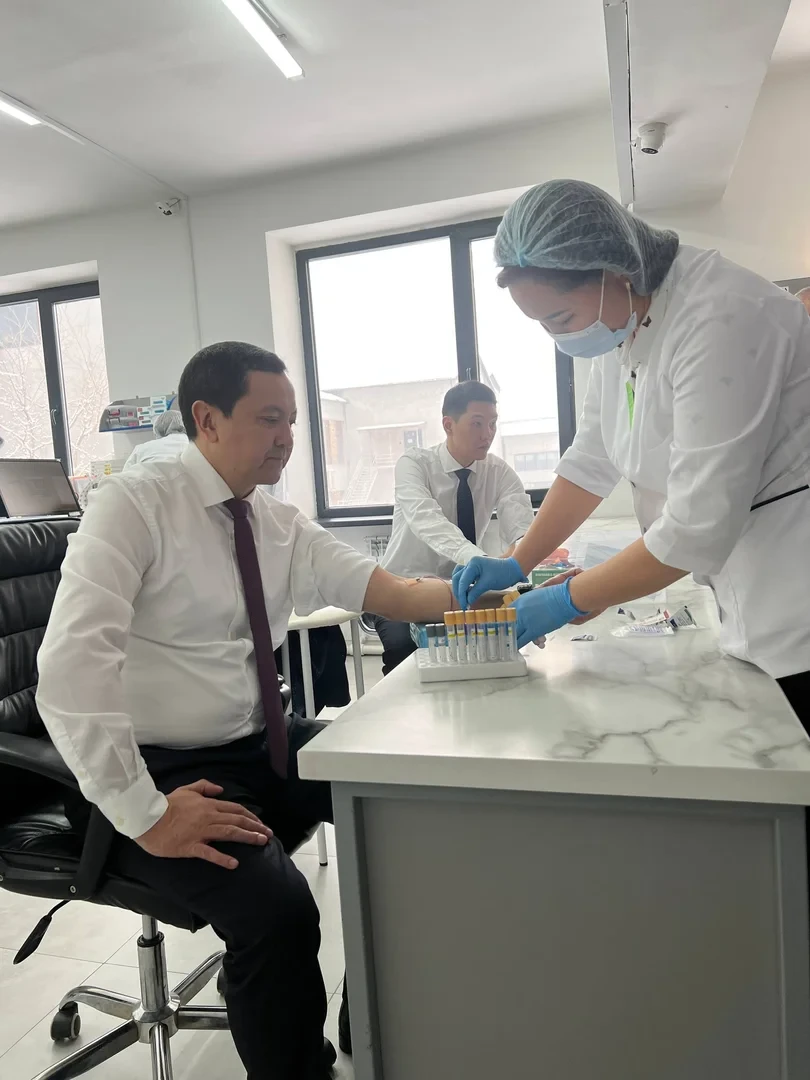
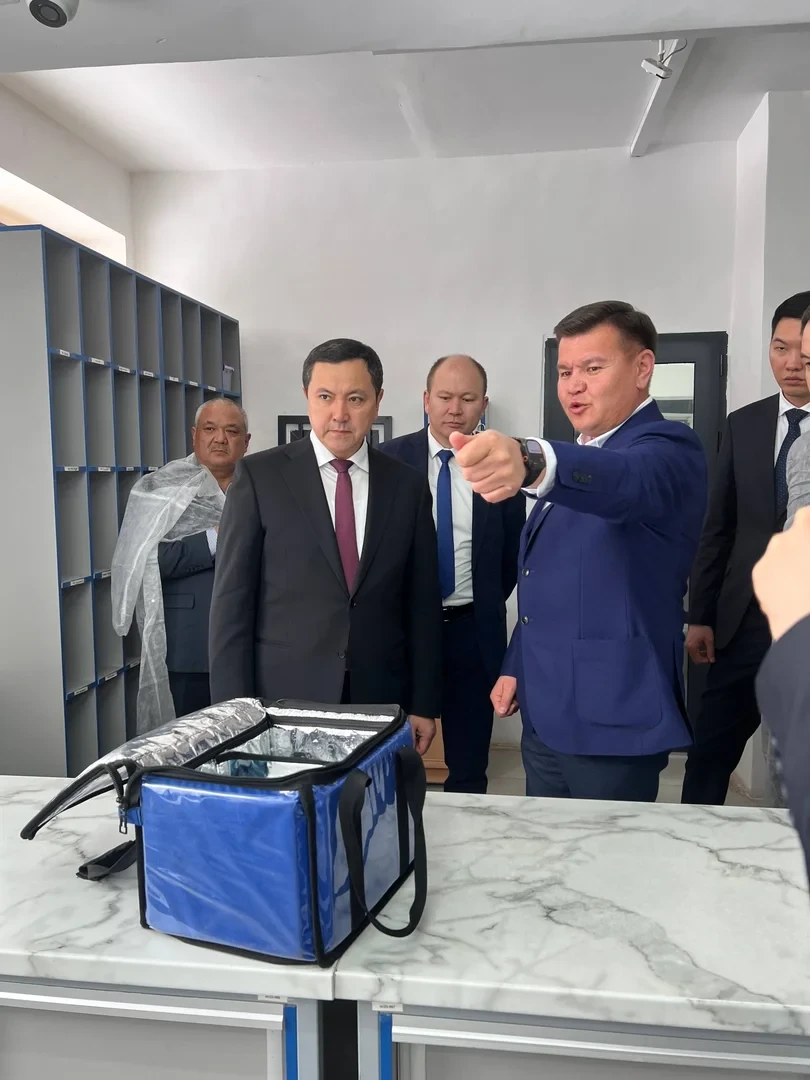
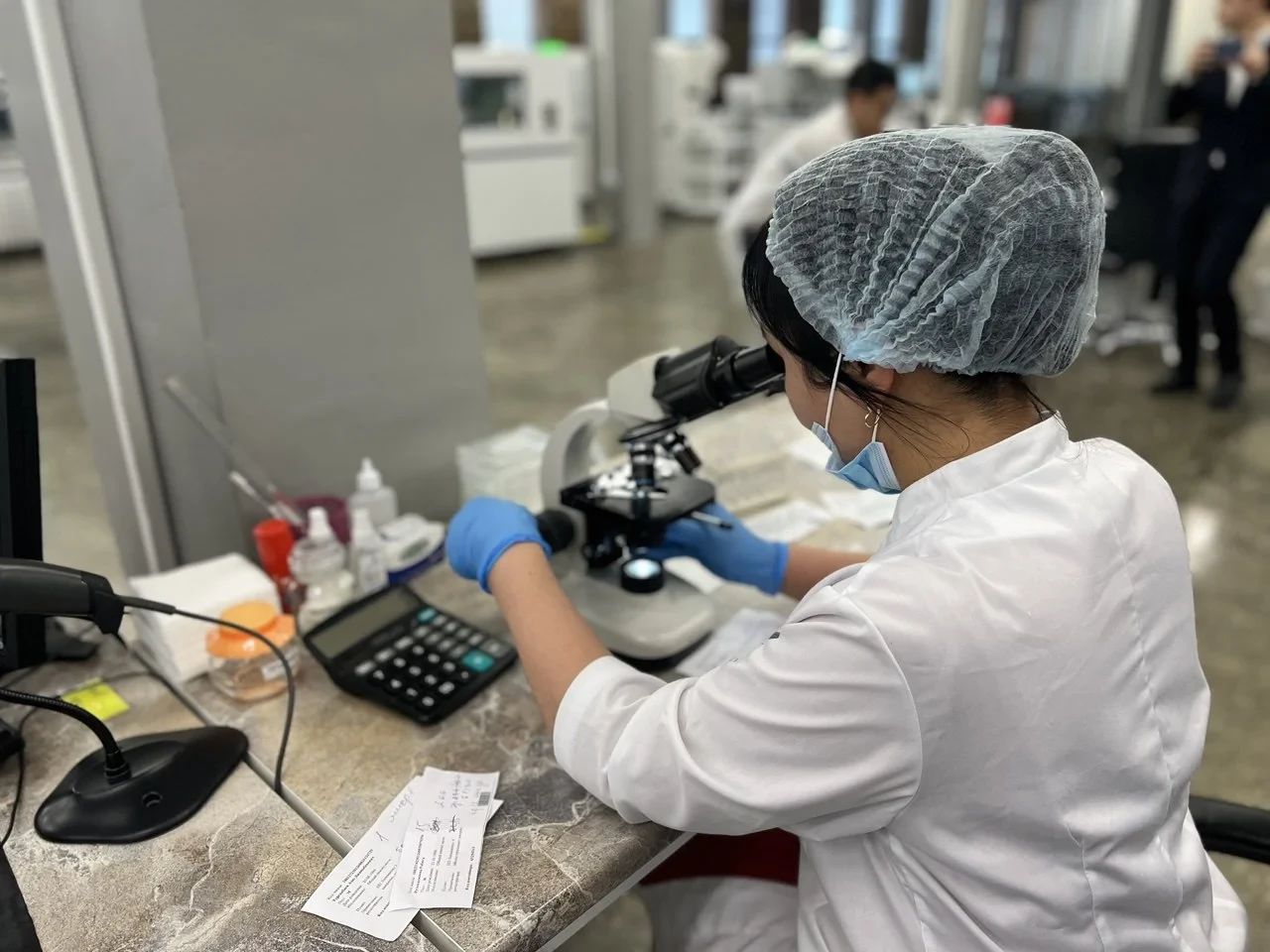
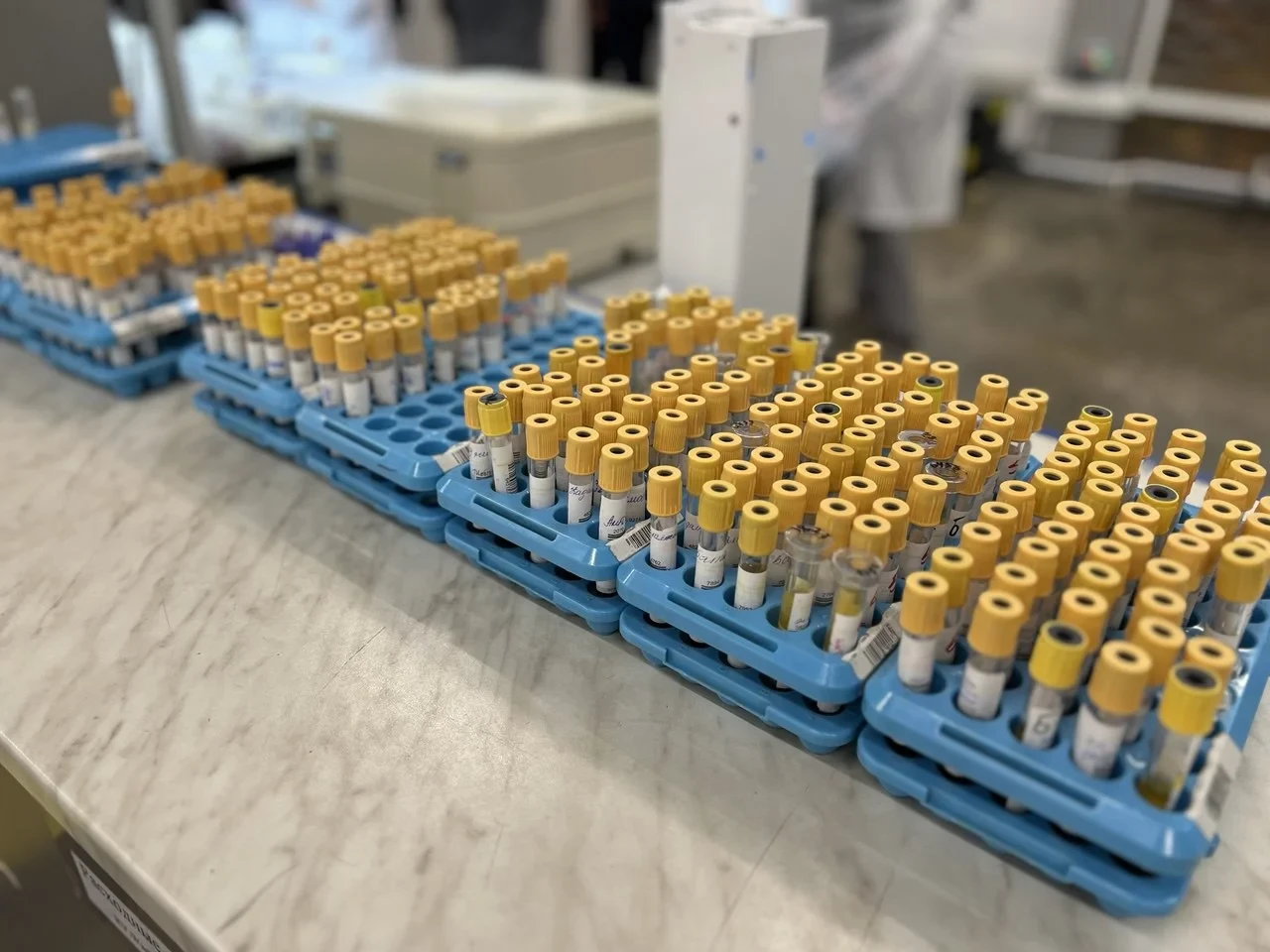
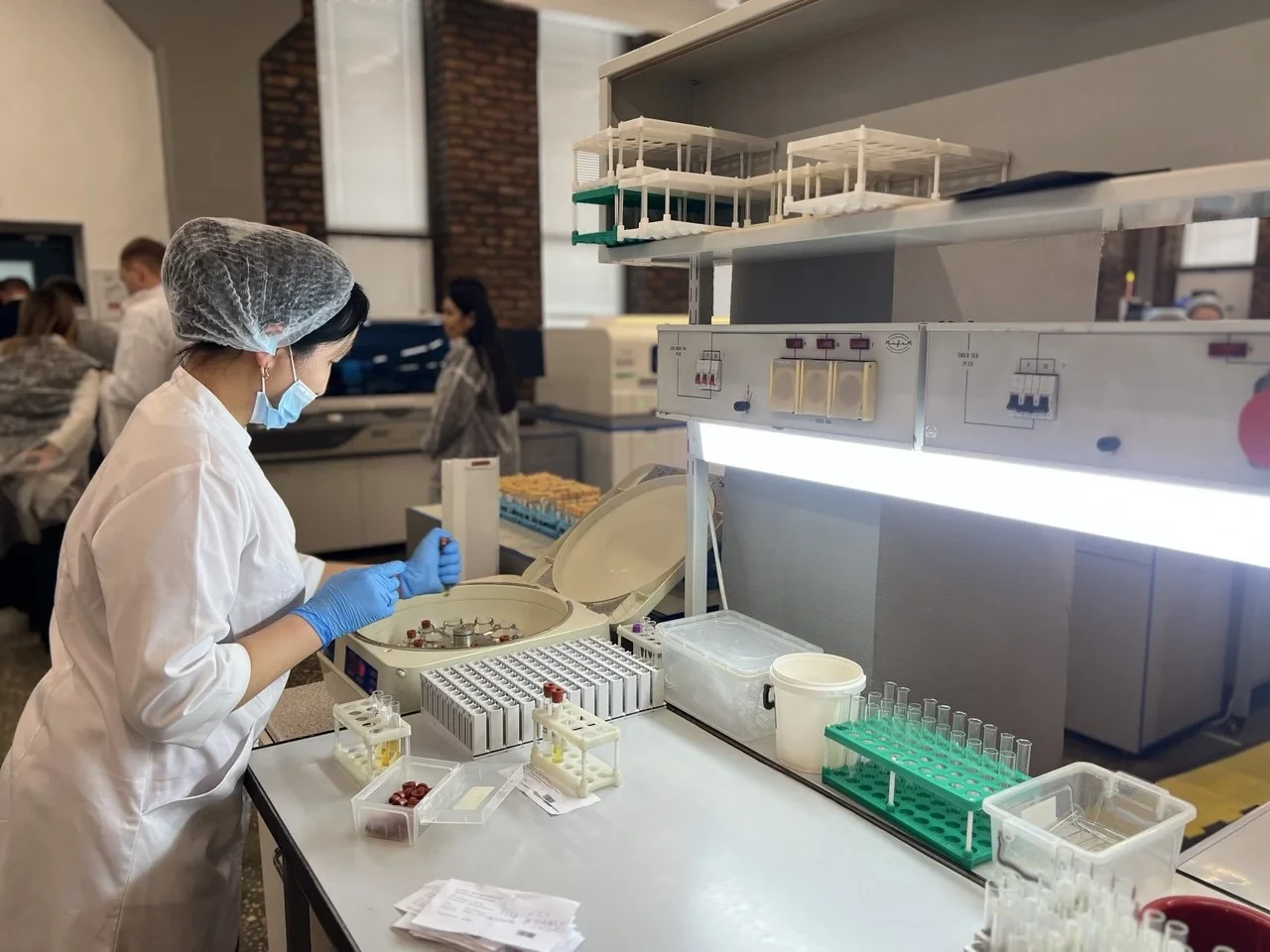
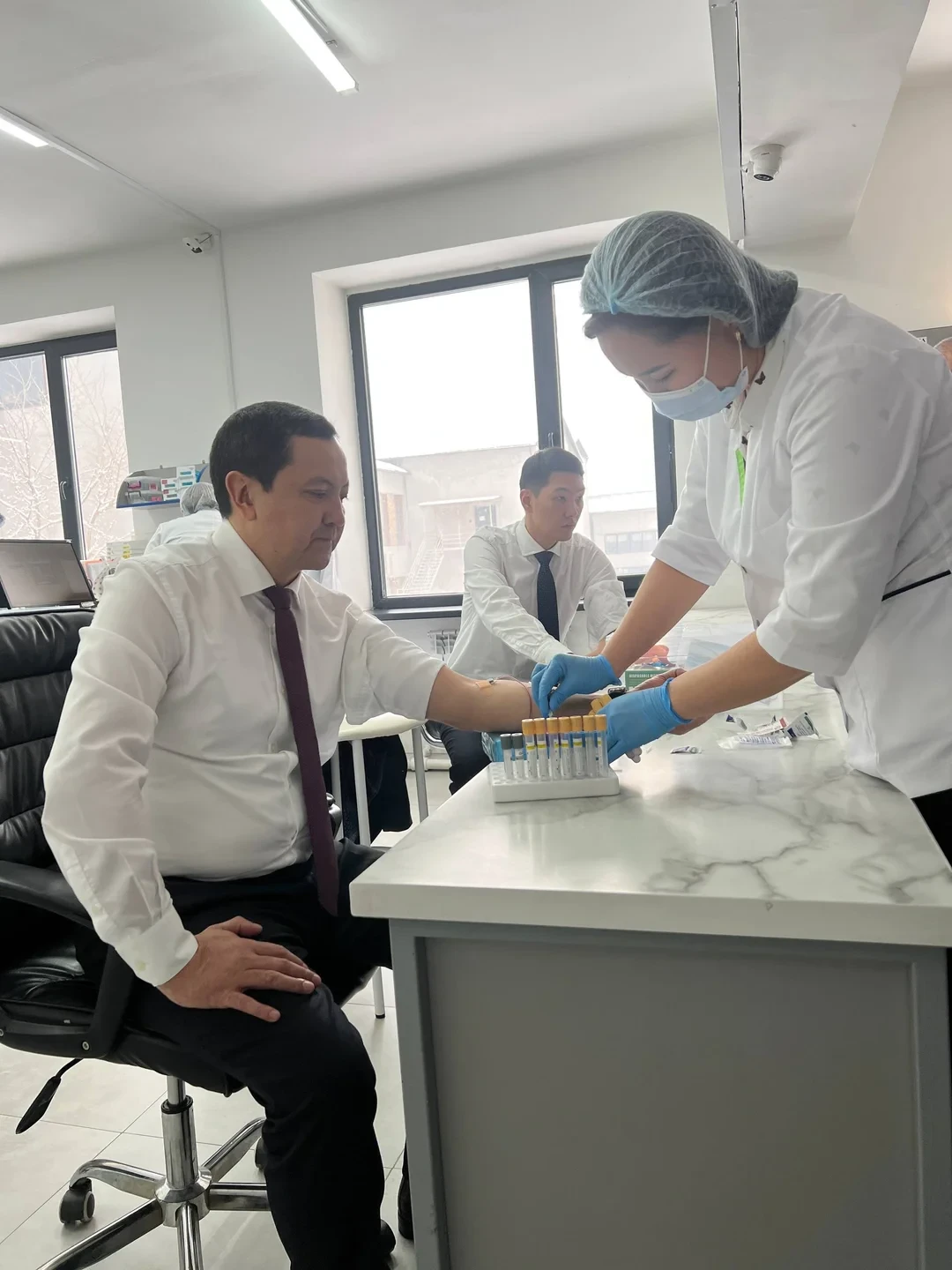
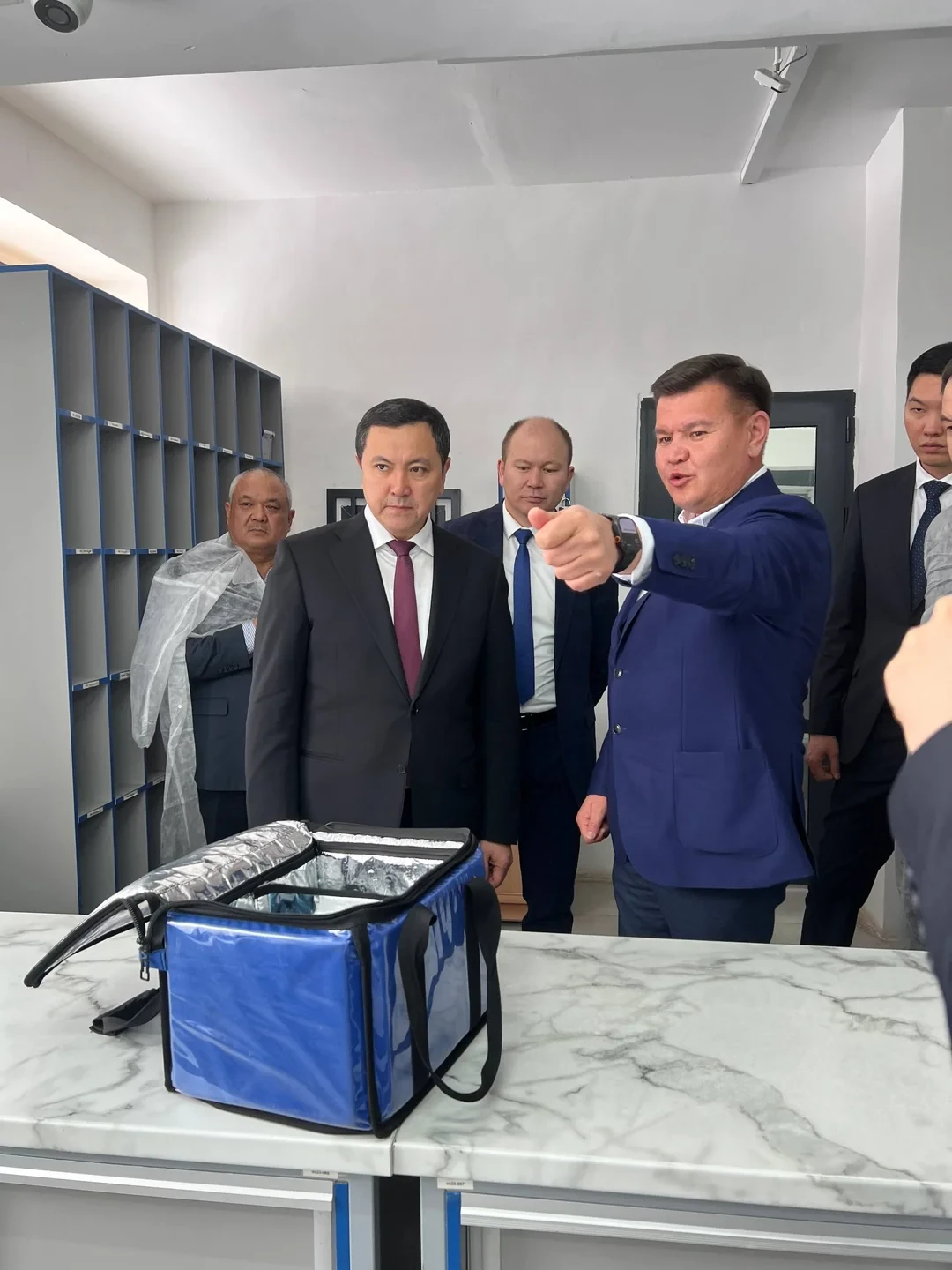
The Minister of Health, Kanbek Dosmambetov, familiarized himself with the work of one of the key private laboratories. According to the press service of the Ministry of Health, he analyzed the organization of the diagnostic process, logistics, quality control, and the implementation of digital technologies.
The head of the department noted that the current state laboratory service does not meet modern standards, which complicates access for the population to timely and accurate research. This is especially critical for the early diagnosis of oncological diseases and other illnesses that require prompt detection.
The Minister emphasized that one of the main problems in healthcare is the late diagnosis of serious diseases, such as malignant tumors, when patients often come in at stages 3-4. This is directly related to the insufficient effectiveness of the laboratory diagnostic system.
“Accurate diagnosis is the foundation of successful treatment. For timely and reliable detection of diseases, the country needs a powerful laboratory base,” noted Dosmambetov.
In this regard, the Ministry of Health has begun developing a project to create a high-tech state reference laboratory in Bishkek, which will be equipped with modern equipment and have developed logistics and digital infrastructure. A centralized laboratory with a network of regional branches will ensure high quality standards and improve diagnostic accessibility for the population.
The Minister also noted that currently, a significant portion of tests are performed in private laboratories, which creates a financial burden on citizens.
According to him, the establishment of a unified state laboratory will help reduce costs for the population and provide the state with important tools, such as statistical analysis and monitoring of morbidity.
He paid special attention to staff training issues and instructed the Kyrgyz State Medical Academy to consider the possibility of opening a faculty for training laboratory profile doctors, as well as to enhance the training of laboratory technicians in medical colleges.
For scientific and methodological support of the project, an expert in the early detection of malignant tumors, Doctor of Medical Sciences, Professor Rysbek Abdildayev, who has significant experience working both in Kyrgyzstan and the USA, has been involved.
Dosmambetov emphasized the implementation of digital solutions, including process automation, electronic data exchange, and the creation of analytical reports on nosologies. “Digital analytics allows us to identify the prevalence of diseases in regions, determine risks, and necessary measures. This is an important part of evidence-based medicine and healthcare management,” he added.
The Ministry continues to study the logistical and technological models used to adapt best practices in the state reference laboratory. The project includes the construction of a laboratory from scratch, equipping it with modern equipment, creating a regional network, organizing logistics, establishing a quality control system, and implementing a digital platform for interaction with medical institutions.