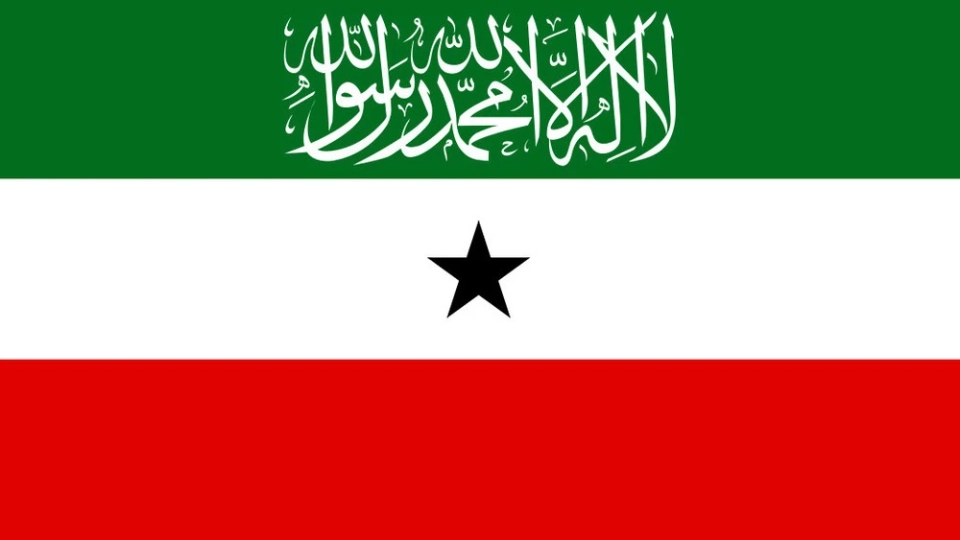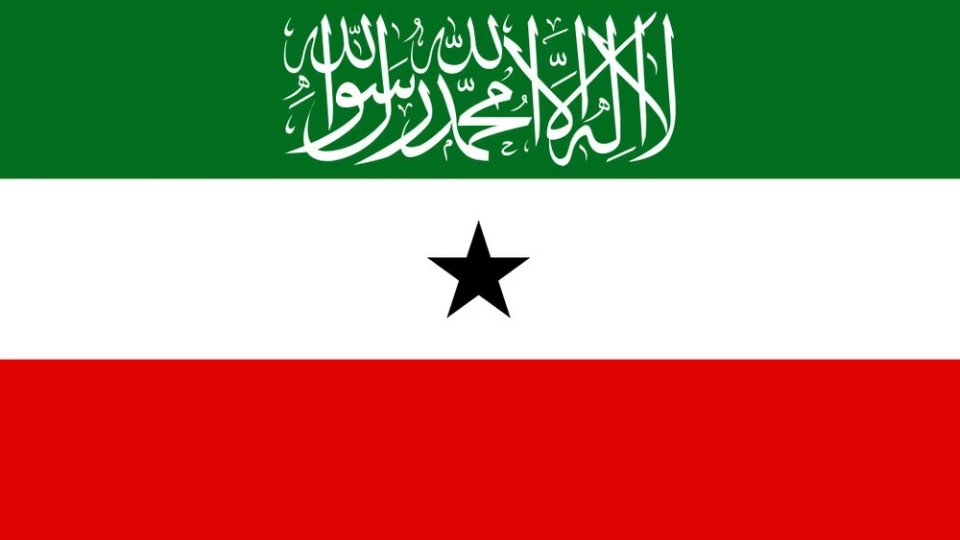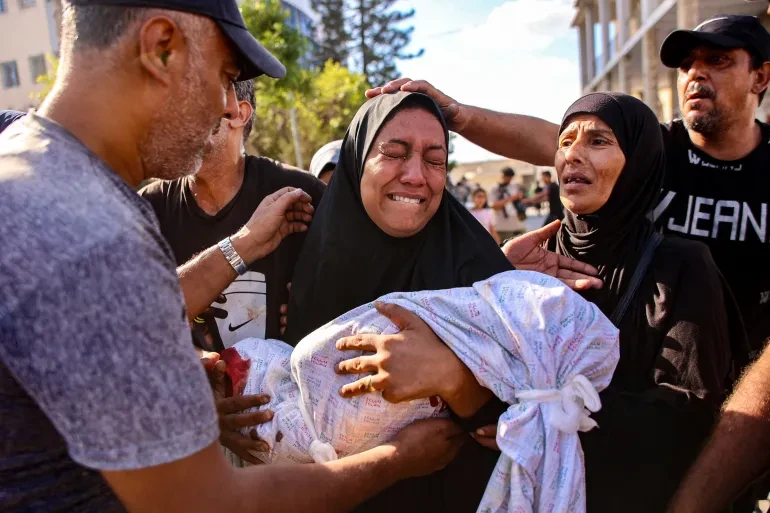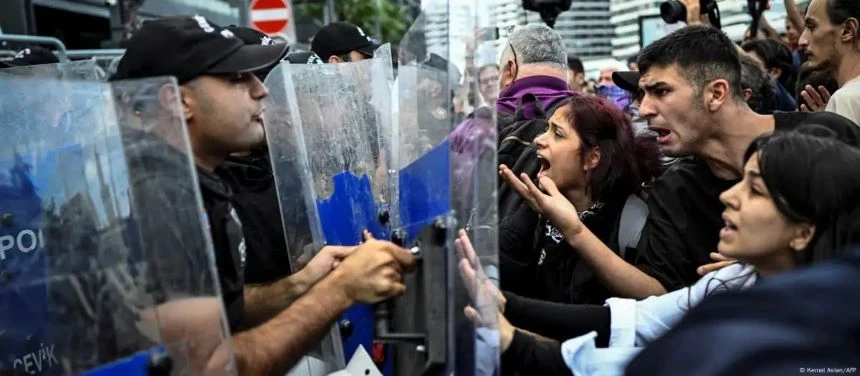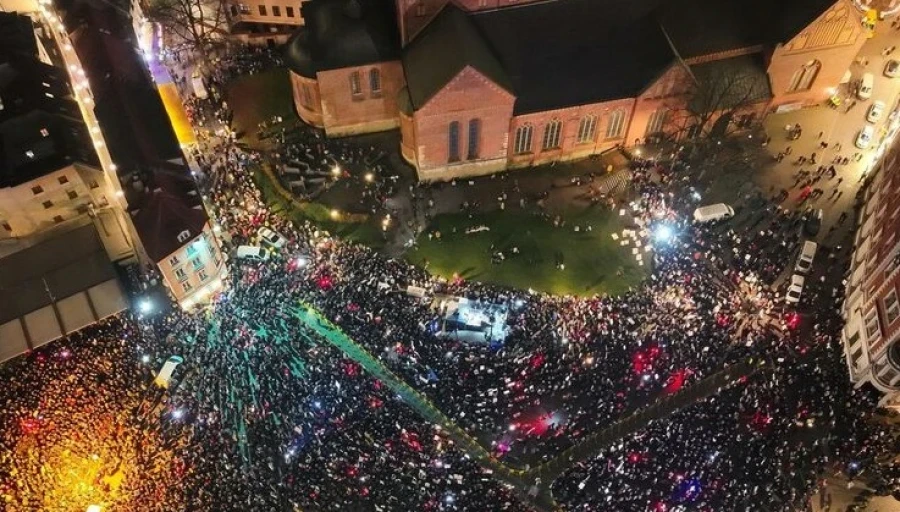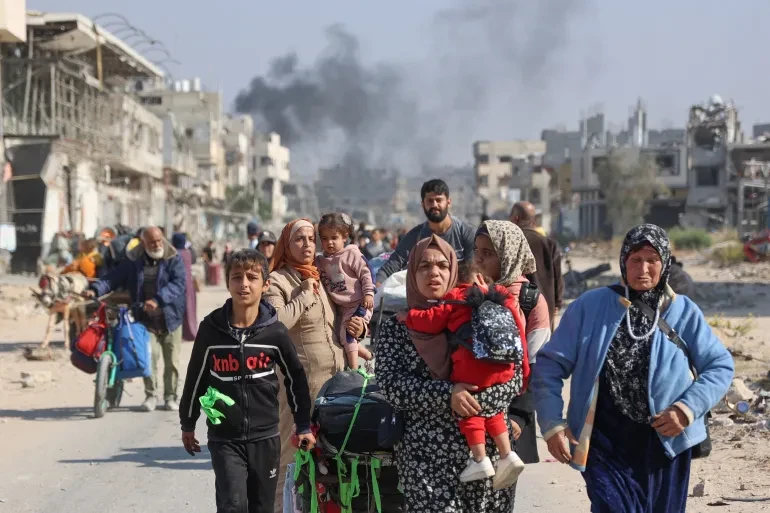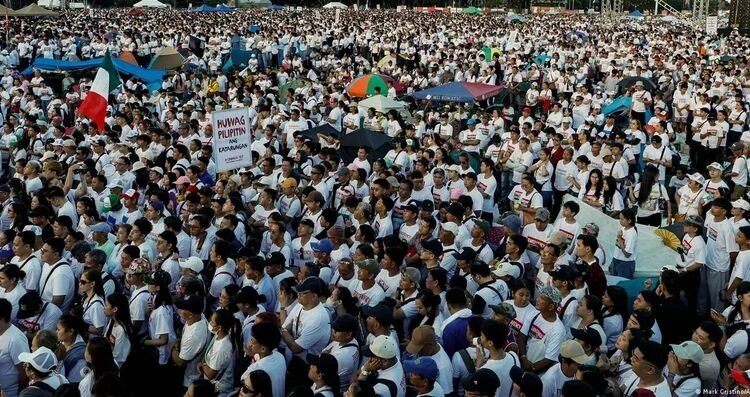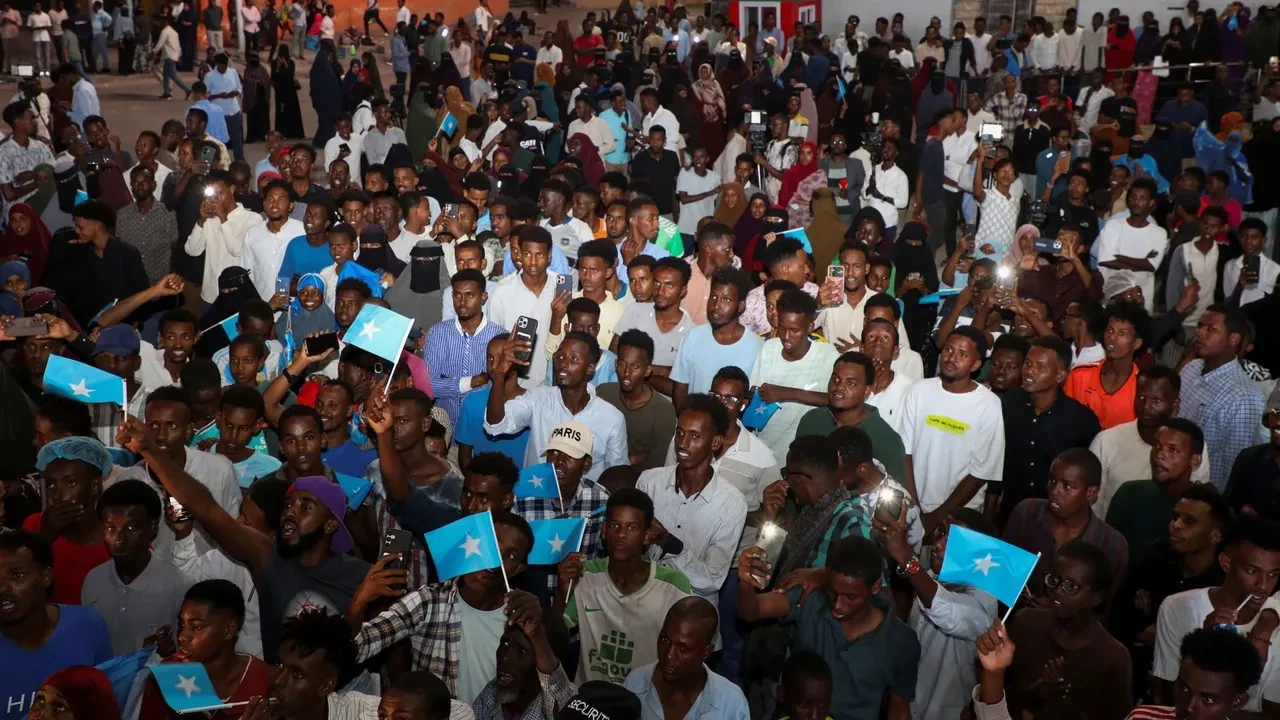
Mass protests took place over the weekend in Somaliland, located in Somalia, following Israel's announcement recognizing the region as an independent state. Participants took to the streets to express support for the Palestinian people and condemn this decision.
Social media was filled with videos of demonstrations in Borama, located approximately 50 km from Hargeisa. Protesters shouted anti-Israel slogans and held Palestinian flags, while being supported by observers.
Among the chants were calls for freedom for Palestine and condemnation of separatism. These actions were a response to the recent decision to recognize Somaliland as a sovereign state.
The Somali authorities sharply criticized Israel's decision, stating that it contradicts international law and reaffirming that the northern region remains part of their country.
Protests also occurred in Mogadishu, where participants called for national unity and condemned the recognition of Somaliland. International organizations and several countries noted that such unilateral steps undermine international norms and create a dangerous precedent.
China, following the criticism, expressed its position through Foreign Ministry spokesperson Lin Jian, who stated that no country should support internal separatist movements of other states in its own interests.
This position was voiced ahead of an emergency meeting of the UN Security Council, where Israel's decision will be discussed.
On Friday, Israel became the first country to recognize Somaliland as an independent republic, more than 30 years after the region declared its independence from Somalia.
The President of Somaliland characterized this event as a "historic moment," while Somalia condemned Israel's actions, calling them a violation of its sovereignty.
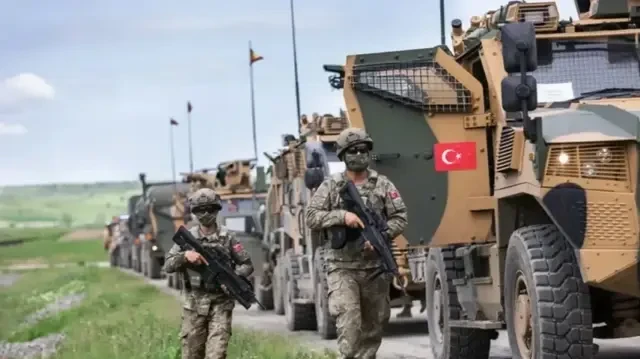
Many countries, including Turkey and Saudi Arabia, as well as the African Union, also expressed condemnation of Israel's statement.
What Drives Somaliland's Desire for Independence?
Somaliland, which separated from the rest of Somalia, is a semi-arid region on the coast of the Gulf of Aden and declared its independence in 1991 after the overthrow of military dictator Siad Barre.
This decision was the result of a long struggle against Barre's regime, which persecuted rebels in the area, leading to the deaths of tens of thousands of people and the destruction of cities.
Despite the lack of international recognition, Somaliland operates with its own political institutions, police forces, and currency.
Historically, this region as a separate entity dates back to the colonial era of the 19th century when it was under British protectorate, known as British Somaliland, until its unification with Italian Somaliland in 1960.
Supporters of independence argue that Somaliland is predominantly inhabited by members of the Isaaq clan, which distinguishes it from the rest of Somalia.
The region, home to about six million people, demonstrates relative calm and stability, unlike the rest of Somalia, which is plagued by Islamist violence. Supporters of independence believe that Somaliland should not be associated with Somalia, which has long suffered from conflicts.
However, the Somali authorities view Somaliland as an integral part of their country and have repeatedly emphasized that any recognition of its independence contradicts Somalia's sovereignty.
President of Somalia Hassan Sheikh Mohamud characterized Israel's statement as a "threat" to the unity of his country.
Reasons for Israel's Recognition of Somaliland
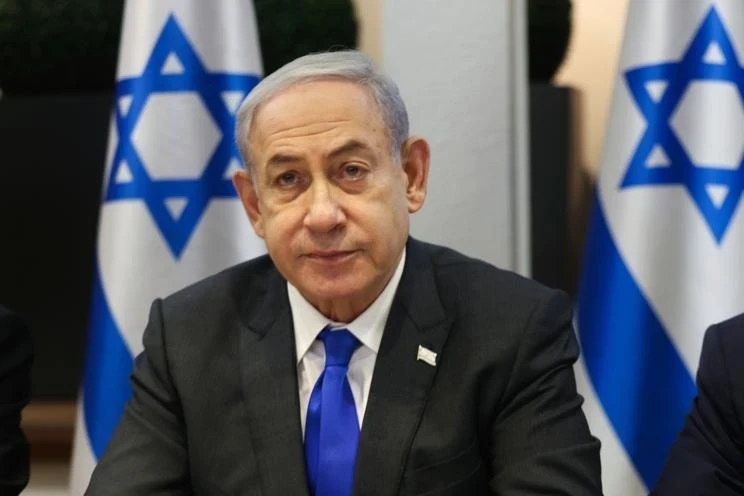
In a phone call with the President of Somaliland Abdirahman Mohamed Abdullahi on Friday, Israeli Prime Minister Benjamin Netanyahu stated the recognition of "Somaliland's right to self-determination."
He added that this official recognition would open new prospects for expanding cooperation between the countries.
However, experts believe that this decision has strategic motives behind it.
Israel needs allies in the Red Sea region for various strategic reasons, including potential actions against the Iran-backed Houthis, as noted in a recent report by the Israeli think tank "Institute for National Security Studies."
"Somaliland represents an ideal partner for such cooperation, as it can provide Israel access to strategic areas close to conflict zones," the report states.
Since the onset of the conflict in Gaza in October 2023, Israel has repeatedly conducted strikes on targets in Yemen in response to actions by the Houthis, who, according to them, expressed support for the Palestinians.
In response to the recognition of Somaliland, the Houthis warned that any Israeli presence in the region would be considered a "military target."
Earlier, several news agencies reported on contacts between Israel and Somaliland regarding the resettlement of Palestinians displaced from Gaza; however, Israel did not comment on these rumors.
Somaliland asserted that any recognition of independence is not related to the Palestinian issue. Nevertheless, both Somalia and the Palestinian Authority expressed concerns that the recognition could be part of a plan to relocate Palestinians.
"Somalia will not allow the forced displacement of the Palestinian people from their rightful territories," the President of Somalia noted in parliament.
American Africa analyst Cameron Hudson told the BBC that Israel's recognition of Somaliland is linked to attempts to counter Iran's influence in the region.
"The Red Sea has historically served as a route for arms and fighters to Gaza. The presence of Israeli security forces in this region serves their national security interests," he added.
Israel has faced criticism from countries such as Egypt, Turkey, and Saudi Arabia, as well as several other states that expressed concern over the "territorial integrity" of Somalia.
The African Union also expressed concerns that the recognition of Somaliland could trigger a chain reaction, prompting other separatist movements to demand similar recognition.
"Regions may attempt to establish external alliances without the consent of central authorities, creating a dangerous precedent for stability," noted analyst Abdurrahman Said, who specializes in the Horn of Africa.
Many countries supporting Somaliland, including the United Arab Emirates, have made no comments on this issue.
Analysts note that the UAE supports Israel's position on Somaliland, highlighting the alignment of interests between them.
The Ethiopian government also did not comment on the situation. Last year, Somaliland agreed to lease part of its coastline to Ethiopia, which caused discontent in Somalia.
Turkey, acting as a mediator between Somalia and Ethiopia, helped sign an agreement to uphold the territorial integrity of Somalia.
Thus, despite Israel's unilateral recognition of Somaliland, Ethiopia has taken a wait-and-see position.
Residents of Somaliland had hoped for recognition of their independence by the U.S., especially after signals received even before Donald Trump's second presidential term.
However, in response to Israel's statement, Trump stated that he is in no hurry to follow Netanyahu's example, noting that no one knows what Somaliland is.