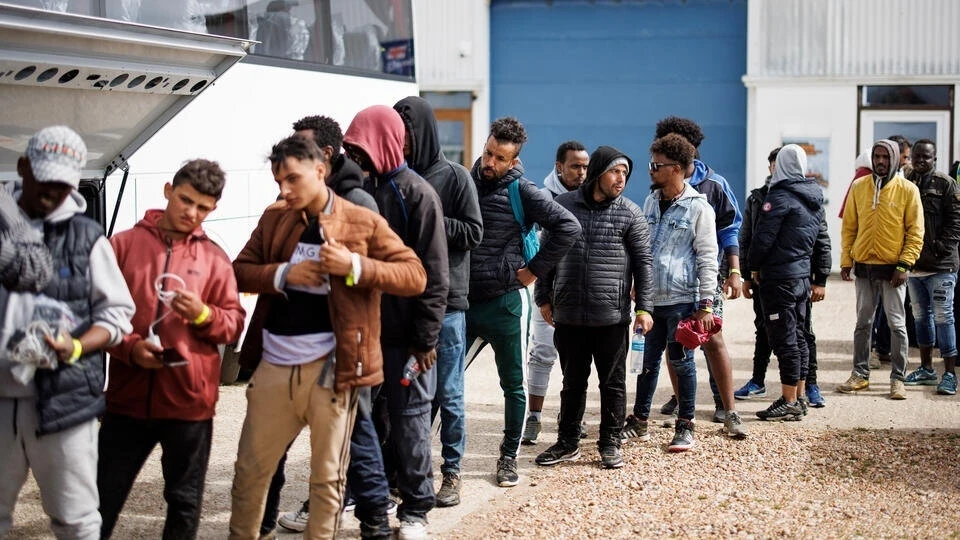
Important changes in migration policy have occurred after 27 EU countries agreed on the details of expelling migrants and determined a list of so-called "safe" countries. A significant point is that nearly fifty states of the Council of Europe have begun discussions on reforming the European Convention on Human Rights, which has been the foundation for asylum in Europe since the end of World War II.
Europeans are increasingly confident that old approaches are not working in the context of modern migration crises. New measures are expected to come into effect in 2026, when the EU migration reform will be implemented, and changes to the human rights convention will be discussed at the summit in Chișinău in May.
As indicated by the reform initiators, including the Prime Ministers of Denmark and the UK, Mette Frederiksen and Keir Starmer, "the existing asylum system was created for a different era." This is due to the fact that previous mechanisms are failing to cope with modern challenges, as refugees leave their countries not only due to conflicts within Europe but also because of authoritarian regimes supported by Russia, such as in Syria and Venezuela, as well as from countries affected by American military operations, like Afghanistan.
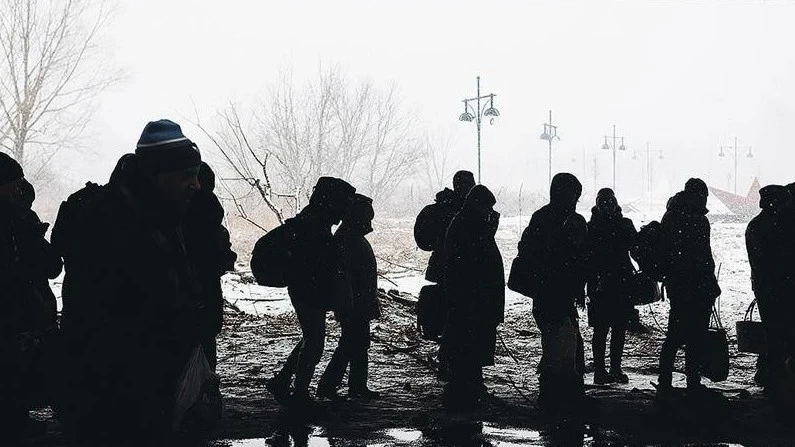
Although the number of refugees in the EU has decreased in recent years, a new wave began with the war in Ukraine, which led millions of Ukrainians to seek asylum in Europe.
Putin as a Catalyst for Reform
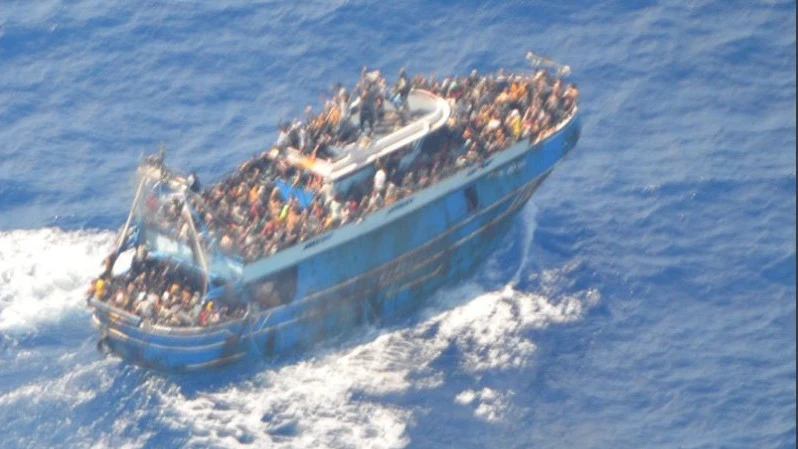
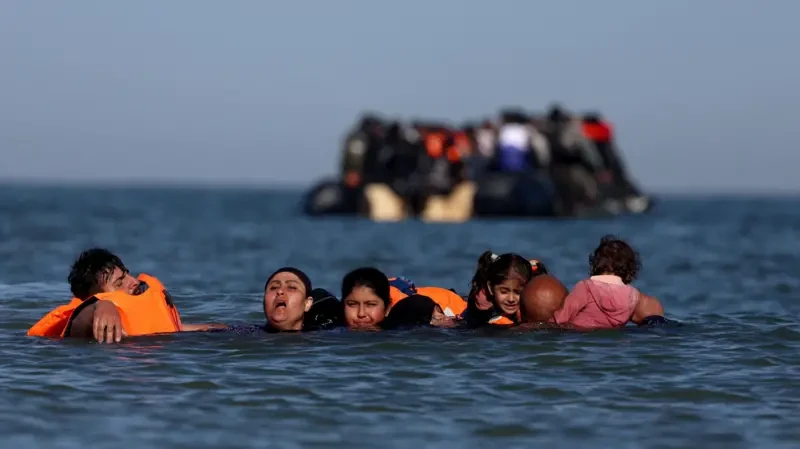
Before the start of the Syrian conflict in 2011, the number of asylum applications in the EU was about 200-300 thousand per year. However, in 2015-2016, this figure rose to 1.2 million per year.
In response to the 2016 crisis, the European Commission proposed a reform of migration policy, which was postponed due to the COVID-19 pandemic and the lack of agreement among EU countries on refugee distribution issues.
Nevertheless, after the Taliban returned to power in Afghanistan in 2021 and the start of the Russian invasion of Ukraine in 2022, the number of refugees increased again, exceeding one million per year. Ukrainians are not included in the overall statistics, as they have been granted temporary protection status.
As a result of the new crisis, migration reform has become relevant again, and in June 2024, EU countries and the European Parliament approved the Pact on Migration and Asylum, which will come into effect in 2026, provided that an agreement is reached on key issues.
Agreed EU Measures
At a recent meeting, the interior ministers of EU countries agreed on mechanisms for expelling migrants and defined categories of "safe" countries.
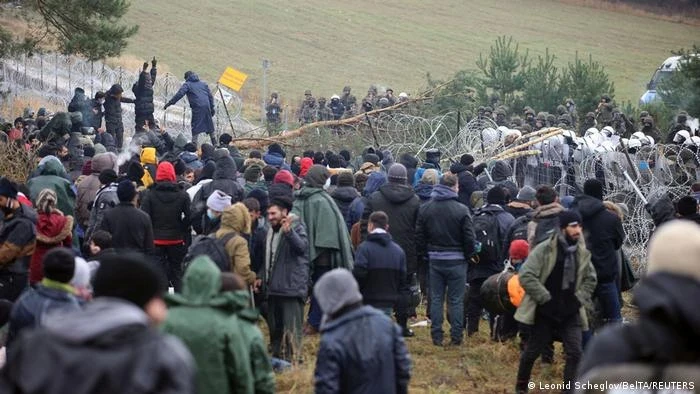
Solidarity mechanisms based on a "take it or pay" principle were implemented, and quotas for 2026 were established. Countries with fewer refugees will have to accept 21,000 migrants or pay 20,000 euros for each one not accepted. Exceptions were made for Poland, Estonia, Austria, Bulgaria, Croatia, and the Czech Republic, which faced an influx of refugees.
These agreements removed the main obstacles to starting negotiations with the European Parliament, which must approve the new provisions at the pan-European level, paving the way for the implementation of new rules at the national level.
Danish Minister of Immigration and Integration Rasmus Stoklund noted that Europe is facing a serious influx of illegal migrants and expressed satisfaction with the agreement on a common approach to the concept of a "safe third country," which will allow the transfer of asylum applications to third countries.
List of "Safe Countries"
The concept of a "safe country" will allow the EU not only to open centers for processing applications but also to deny asylum to anyone arriving from these countries, even if they are merely transiting.
Some countries, such as Italy, have already attempted to create such centers but faced legal barriers. As a result, none of them are currently operational.
This week, the first-ever list of "safe countries" was also approved. It includes Egypt, Morocco, and Tunisia, as well as Kosovo, India, Bangladesh, and Colombia. Colombians make up the fourth largest group among asylum seekers in the EU after Syrians, Venezuelans, and Afghans, while Bangladeshi citizens rank sixth.
Additionally, all candidate countries for EU membership, such as Moldova, Georgia, Turkey, and Ukraine, have also been recognized as "safe," although an exception is made for Ukraine due to the war on its territory.
Criticism of Migration Policy
Human rights organizations have long expressed dissatisfaction with the EU migration reform. Amnesty International characterized the ministers' agreement as "punitive measures" that could lead to mass deprivation of civil rights based on migration status.
Amnesty representative Olivia Sundberg Diez noted that the ministers' stance reflects the EU's unwillingness to abandon deportations and the creation of inhumane centers outside the European Union, which contradicts international law.
Reform initiators, in turn, argue that the old rules do not meet modern conditions and that new approaches are necessary to maintain political stability in Europe.
Mette Frederiksen and Keir Starmer stated that the best way to counter populists is to offer effective solutions and consider the interests of citizens.
“People expect authorities to control migration on their terms,” they added, addressing other European leaders before the meeting of justice ministers from Council of Europe countries in Strasbourg.
Changing Migration Processes
Frederiksen and Starmer are confident that, while they will always support those fleeing violence, the world has changed, and asylum processes must also adapt to new realities.
For Starmer, the issue of migration has become paramount in his political career, as anti-immigrant parties, such as Nigel Farage's Reform UK, which is close to Trump, gain influence in Britain.
Trump, in turn, continues to criticize Europe and even promises to "organize resistance" against the current authorities to change migration policies that he sees as threatening European civilization.
In an interview with Politico, he emphasized that London and Paris are already facing migration problems and that some countries may lose their viability due to current policies. Trump expressed his readiness to support candidates who align with his views.
Farage has also called for the denunciation of the European Convention on Human Rights, which has already occurred in Russia following the start of the war in Ukraine.
Starmer insists on the need to reform the convention to prevent radical politicians from coming to power, proposing to revise articles concerning asylum rights and family protection.
The answers to the questions raised by Starmer will be known next year when the member states of the Convention gather to discuss reforms.
“This is just the beginning of a consensus-based process, which is the only way to achieve progress,” noted Secretary General of the Council of Europe Alain Berse after the ministers' meeting in Strasbourg.