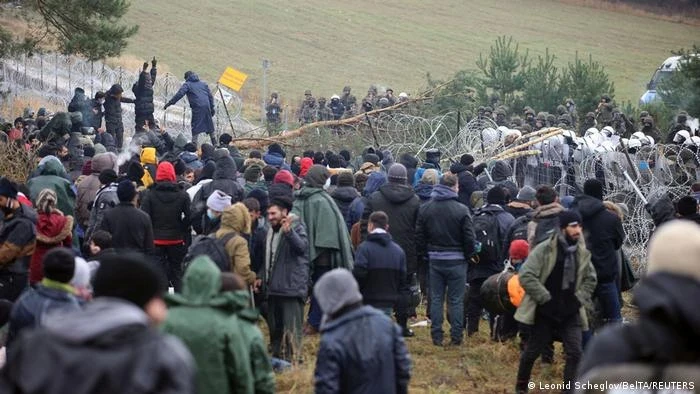
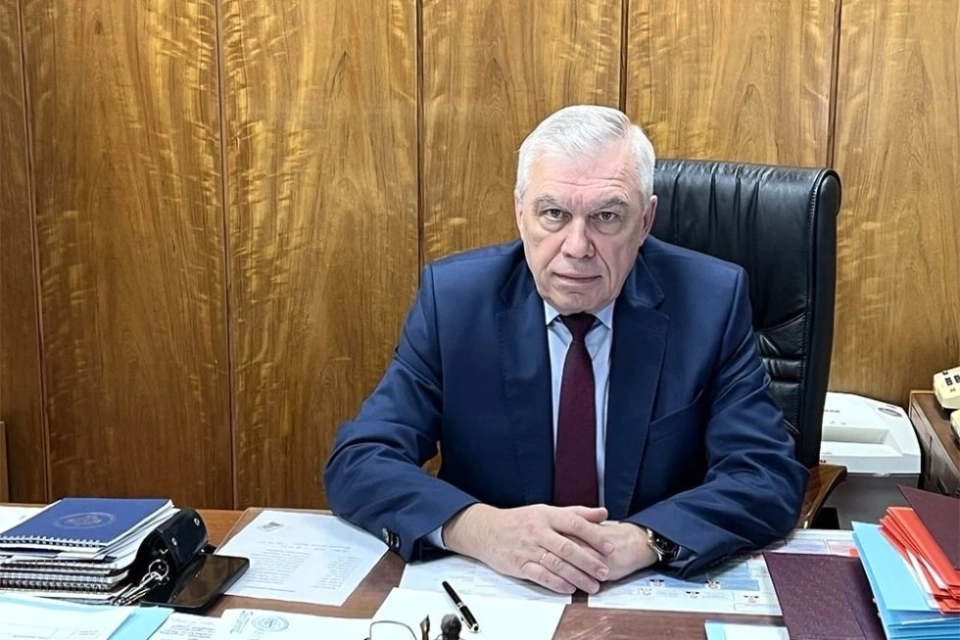
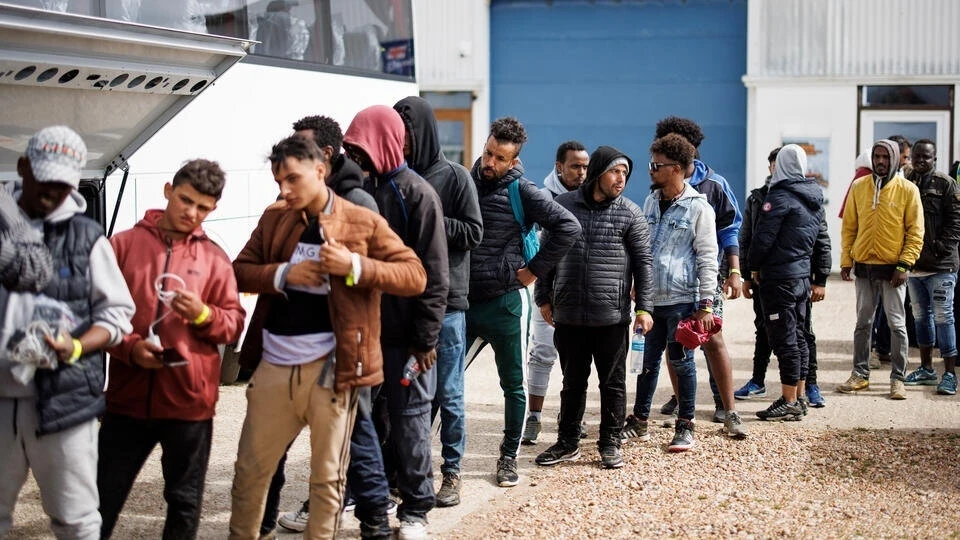
Denmark's Minister for Immigration and Integration, Rasmus Stoklund, emphasized: "We now have a legal basis for establishing reception centers in cooperation with third countries. This is crucial for correcting the fundamental flaws of the existing asylum system, which has long been dysfunctional." He added that the current system does not allow for effective assistance to those who truly need it and for controlling migration flows into Europe. "Today we have taken a significant step forward," noted the minister.
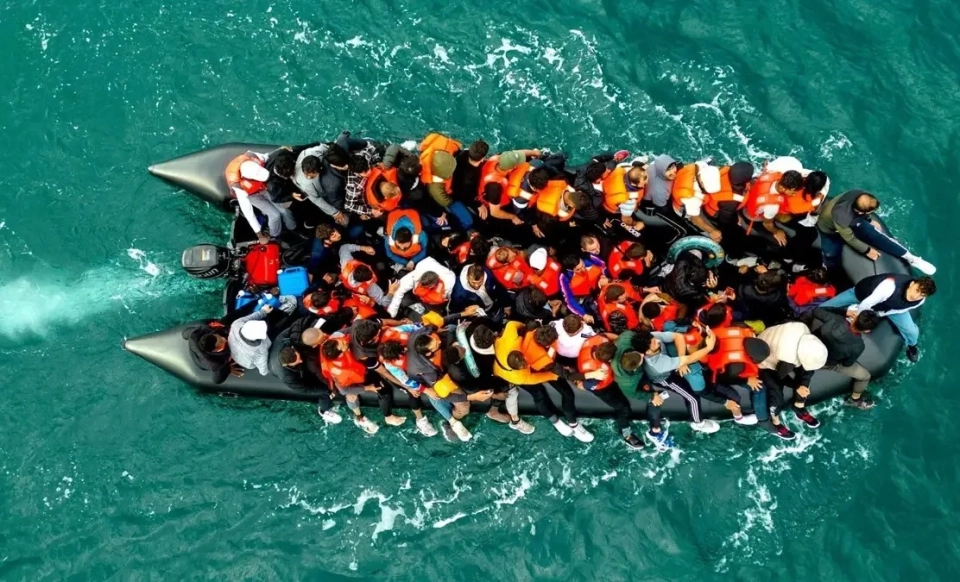
As part of the agreement, EU countries also reached a consensus on the size of the migration solidarity pool for the next year. This mechanism will be used to redistribute the migration burden within the bloc.
In light of the challenging situation in Greece, Spain, Italy, and Cyprus, 21,000 migrants will be resettled from these countries, for which 420 million euros have been allocated. This number is lower than expected—initially, the European Commission planned for at least 30,000 resettlements and 600 million euros. However, since the mechanism will only start operating in the summer, it will cover only half of the year.
Countries can participate in the solidarity pool by resettling migrants, making financial contributions, or offering "alternative measures," such as providing staff and assisting in the construction of reception centers.
Each country will receive a quota based on its population and GDP and will decide how it will fulfill its obligations.
Four countries—Austria, Poland, Croatia, and the Czech Republic—were exempted from resettlement and financial contribution obligations to the solidarity fund due to the challenging migration situation. The specific commitments of the remaining countries have not yet been disclosed, as the final approval of the "solidarity pool" is scheduled for December 16. According to available information, most countries opted for the financial contribution option.