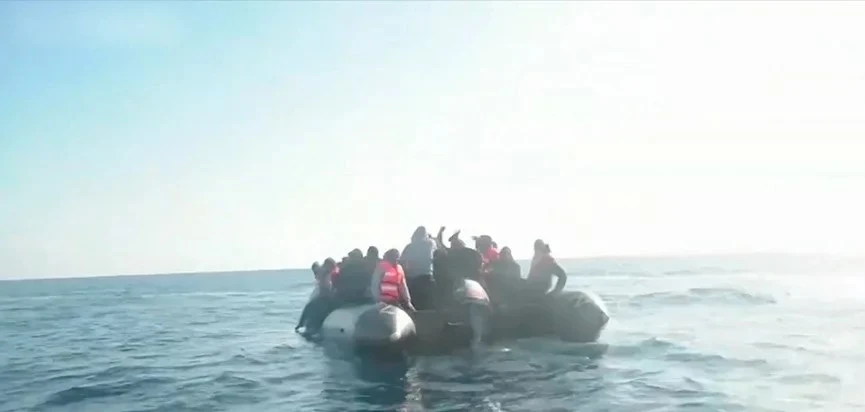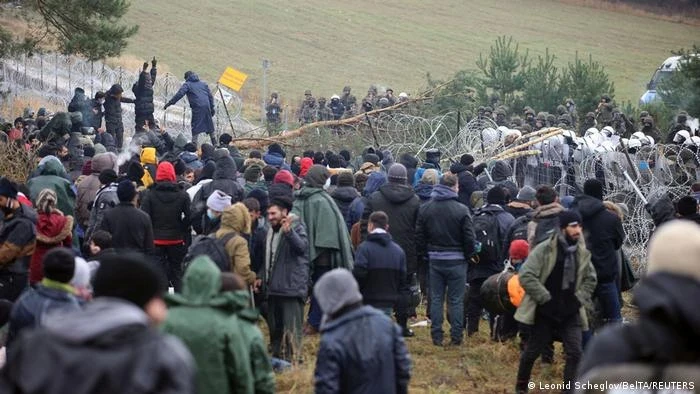
As part of the new agreement, a decision was also made regarding the size of the so-called "pool of migration solidarity" for the next year, which will serve as a tool for redistributing the migration burden within the bloc.
As a result, it is planned to resettle 21,000 migrants from countries facing the most difficult situations, such as Greece, Spain, Italy, and Cyprus, for which 420 million euros have been allocated. This number is lower than initially planned, as the European Commission estimated the need for at least 30,000 resettlements and 600 million euros. However, since the mechanism will only operate during the summer months, it will cover only half of the year.
EU countries can participate in the solidarity pool through resettlement, financial contributions, or "alternative measures," such as providing staff or assisting in the construction of centers for receiving migrants.
The quota for each country is determined based on its population size and gross domestic product, allowing governments to decide independently which measures they will implement.
Four countries—Austria, Poland, Croatia, and the Czech Republic—have been exempted from financial contributions and resettlement obligations, as their situation was recognized as challenging in the context of migration.
Lists of specific obligations for countries will be published only after the final approval of the "solidarity pool," scheduled for December 16. According to sources in the EU, most countries have chosen the path of financial contributions.