In 2025, employees of the Ombudsman's Institute conducted a detailed monitoring at the National Center for Oncology and Hematology, as well as in the children's oncology and hematology department of the NCODM. The press service of the agency reported the results of the inspection.
During the analysis, numerous systemic problems and violations of patients' rights were identified, indicating insufficient quality of oncological care in the country.
According to the agency, the hospital is experiencing a shortage of linear accelerators, modern diagnostic equipment, medical personnel, essential medications, and inpatient beds. These deficiencies not only worsen patients' health and increase mortality from oncological diseases but also create serious socio-economic problems for their families, who are forced to seek treatment in private clinics.
At the National Center for Oncology, there are queues for radiation therapy, forcing cancer patients to wait for treatment from one to two weeks.
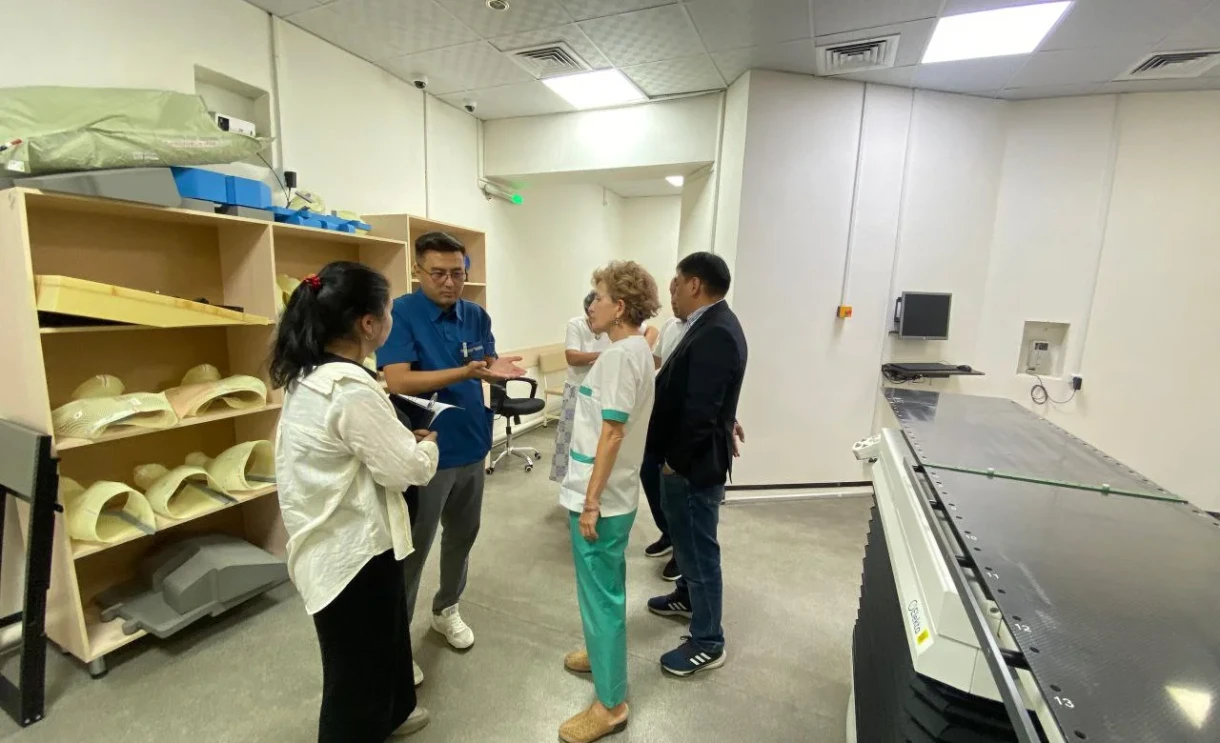
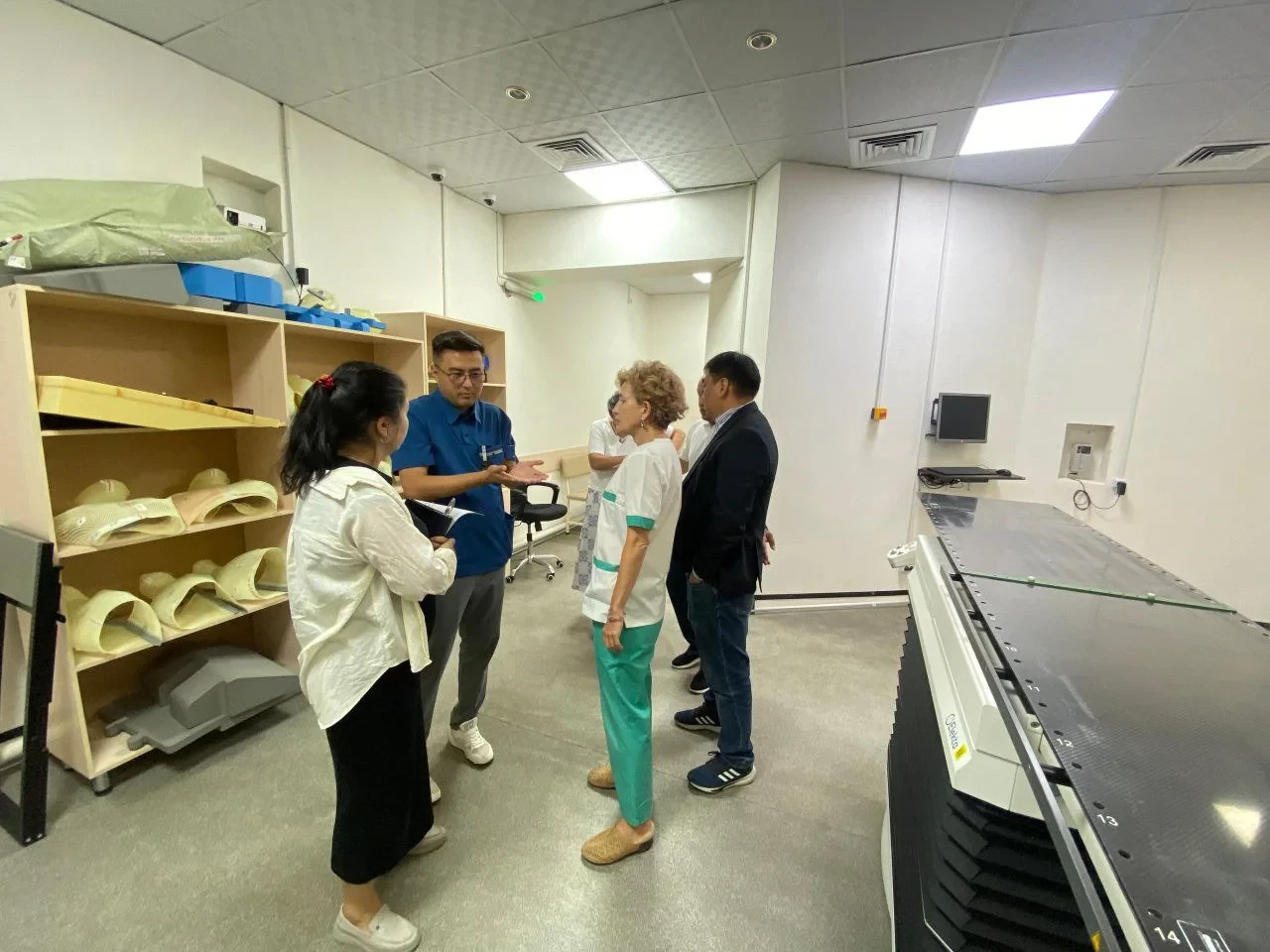
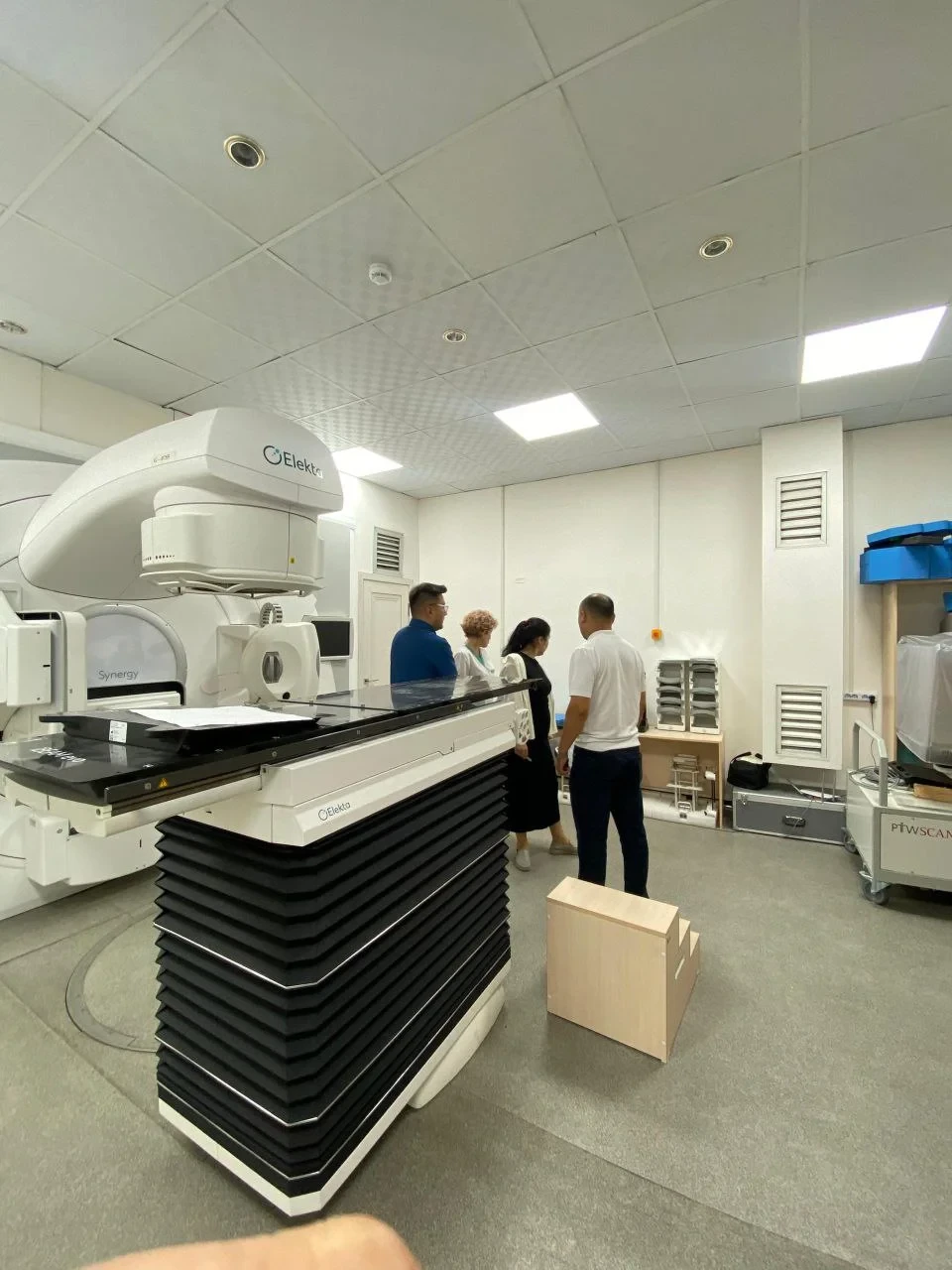
The monitoring conducted in August 2025 showed that 34 people were waiting to start radiation therapy, as out of three treatment machines, two linear accelerators (Elekta Synergy and Elekta Synergy Platform) were out of order. Treatment was only carried out using an outdated "Babatron" machine.
Medical specialists emphasize that delays in providing assistance can lead to disease progression and jeopardize patients' lives.
Linear accelerators are only available at the National Center for Oncology, and such machines are absent in the regions. Therefore, patients from all areas are forced to travel to Bishkek for radiation therapy.
However, even with all three machines fully operational, it is extremely difficult to provide timely treatment for all those in need. According to the center, over the past five years, only 25.6% of patients with newly diagnosed oncological diseases received radiation therapy.
According to international standards, there should be one linear accelerator for every 300,000 residents, and for a population of 7 million, at least 20 such machines are required.
At the time of monitoring, there were 325 patients at the National Center for Oncology, while there are 35,163 cancer patients registered.
The situation is further exacerbated by a lack of special fixation devices used during treatment on linear accelerators for precise patient positioning, which increases treatment effectiveness and ensures safety.
During the monitoring, there were no thermoplastic masks in the radiation therapy department, and the available devices were worn out and deformed.
Particularly concerning is the lack of the ability to conduct full procedures for children, as there were no children's thermomasks at all.
"The results of the monitoring show that it is difficult to talk about early diagnosis of oncological diseases in the country due to outdated equipment and limited technical capabilities.
Only one ultrasound machine and one outdated mammogram, which has been in use since 2014, were operational in the center. There is a shortage of angiographs, modern endoscopic, and laparoscopic systems.
Overall, the financial provision of the oncology service does not meet the actual needs of the hospital," noted human rights defenders.
From 2018 to 2024, only about 3 million soms were allocated annually for these purposes. In 2024, funding increased to 176 million soms, and in 2025 to 800 million soms. However, according to the National Center for Oncology, for the full functioning of the service, 4.5 billion soms are required, which is five times more than the current funding.
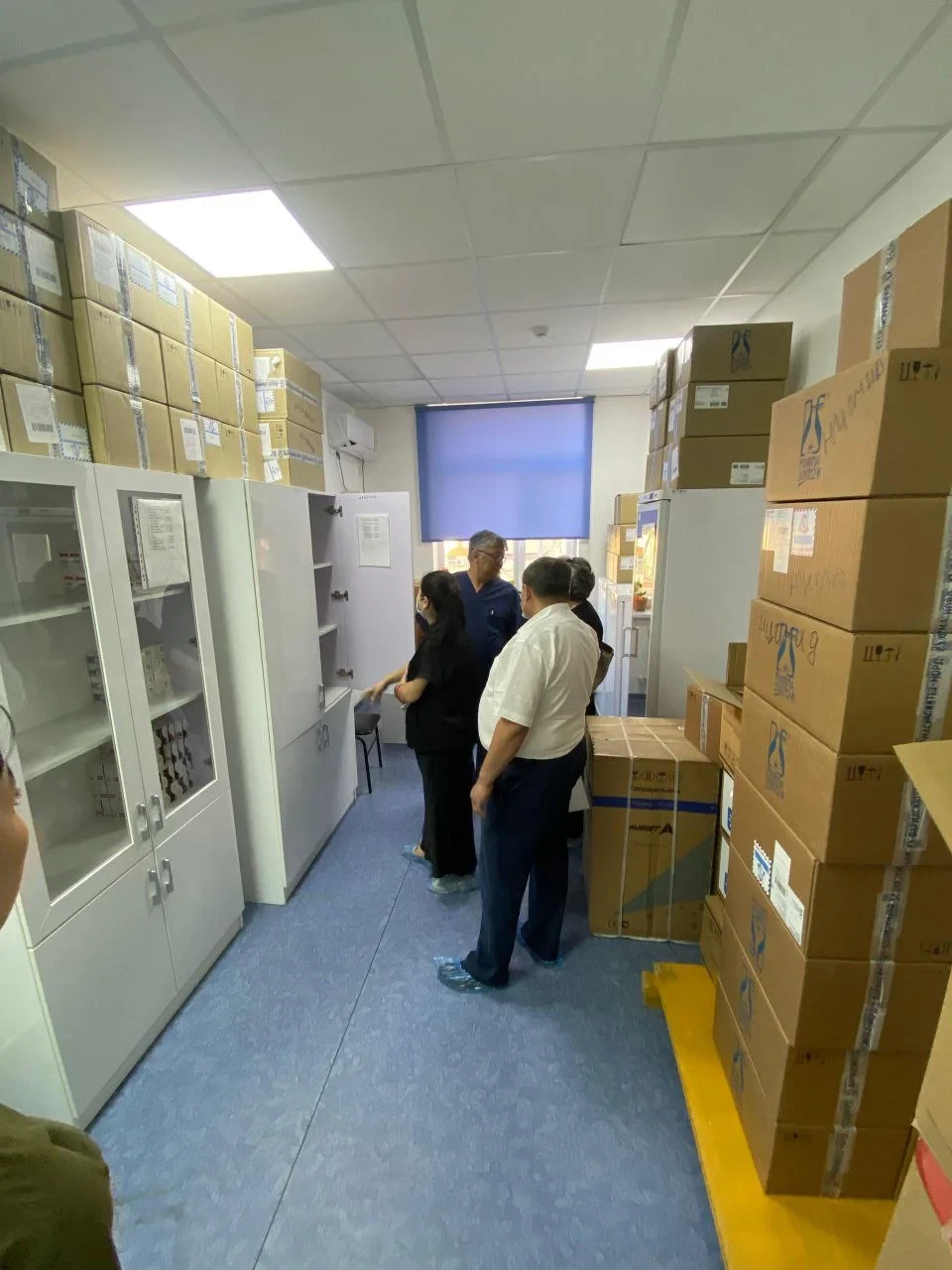
The monitoring showed that oncology patients are not provided with necessary medications: the hospital lacked 80 names of essential drugs.
Reviewing medical and financial documentation revealed that the problem is due to constant delays in deliveries and insufficient purchases by the state enterprise "Kyrgyzpharmacia".
"In the oncology hospital, and sometimes in the country as a whole, there are no expensive drugs necessary for cancer treatment. We are forced to search for and buy medications at our own expense," patients reported.
At the Ombudsman's Institute, it is emphasized that such a situation seriously violates citizens' rights to access necessary medications and quality treatment.
To fully provide the oncology service with medications, at least 2.5 billion soms are required.
Urgent measures are needed, a review of existing procurement procedures, and a significant increase in funding for the oncology service.
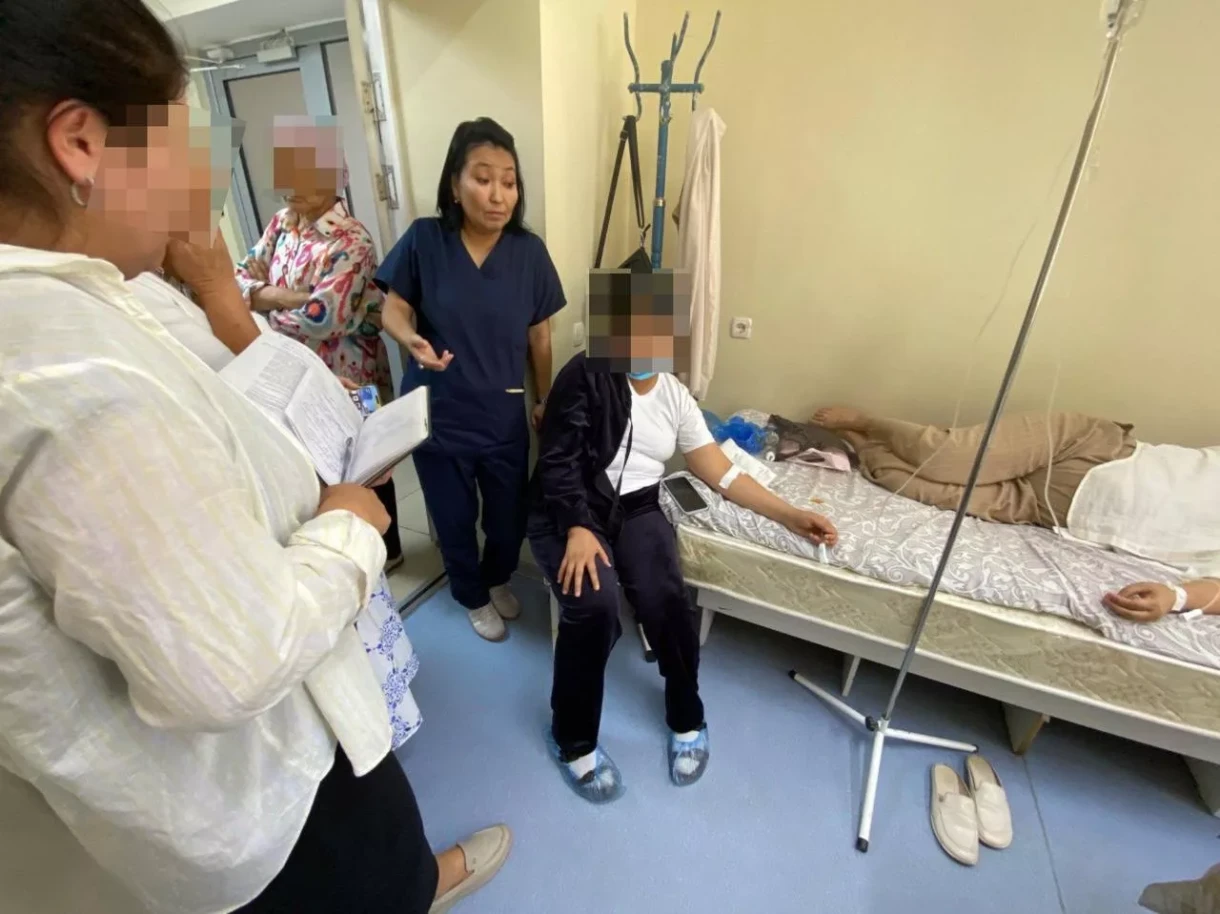
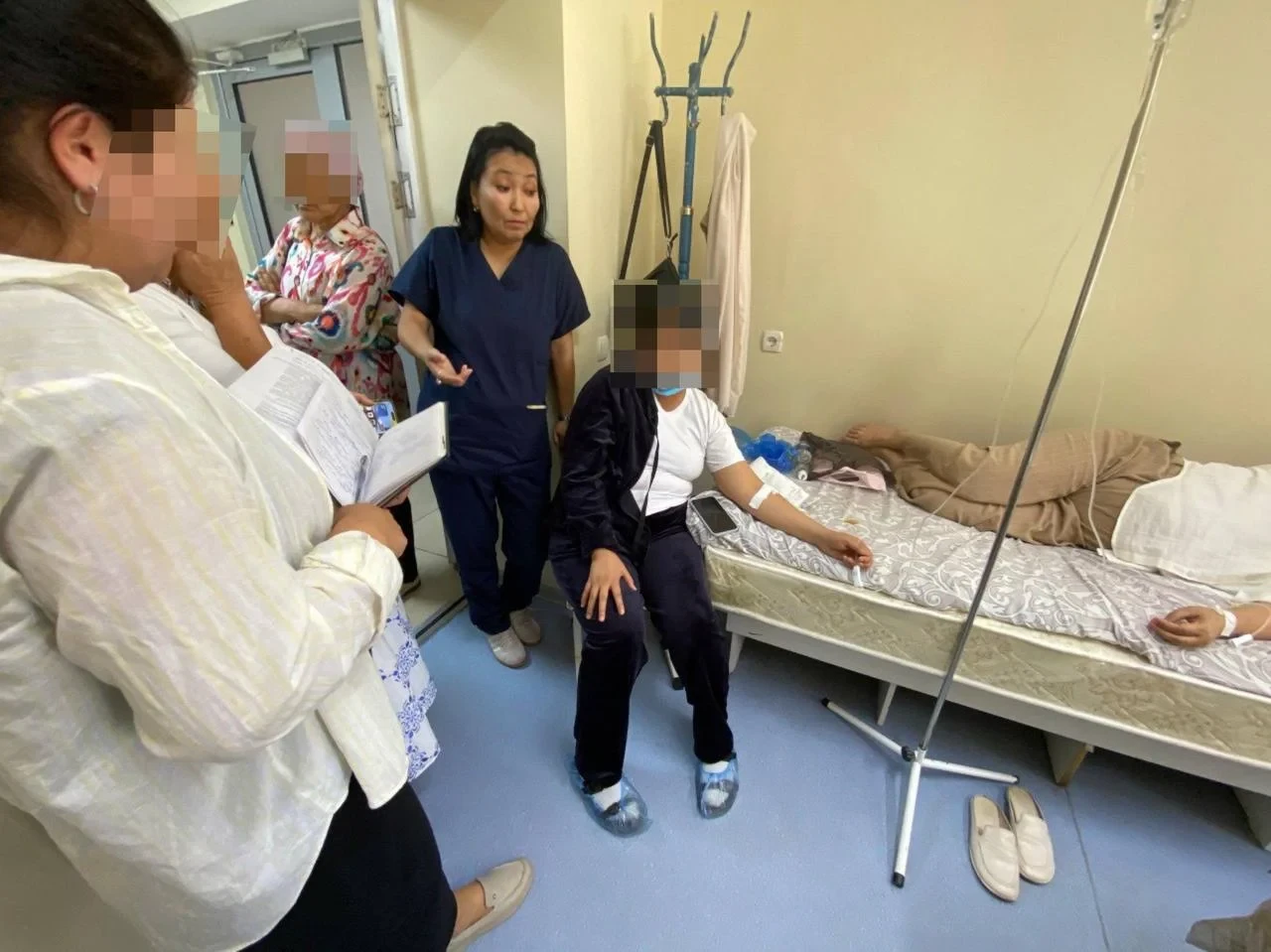
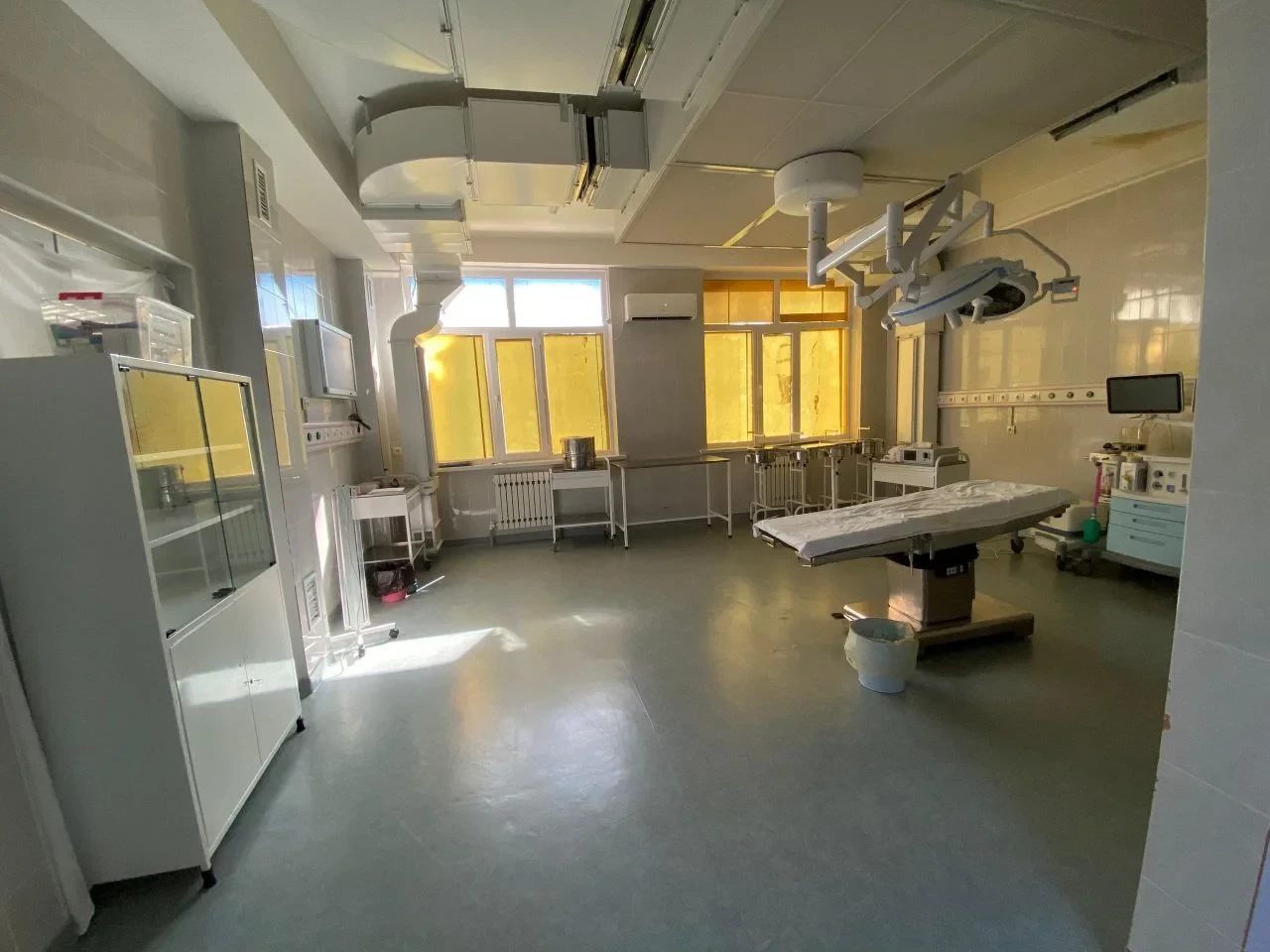
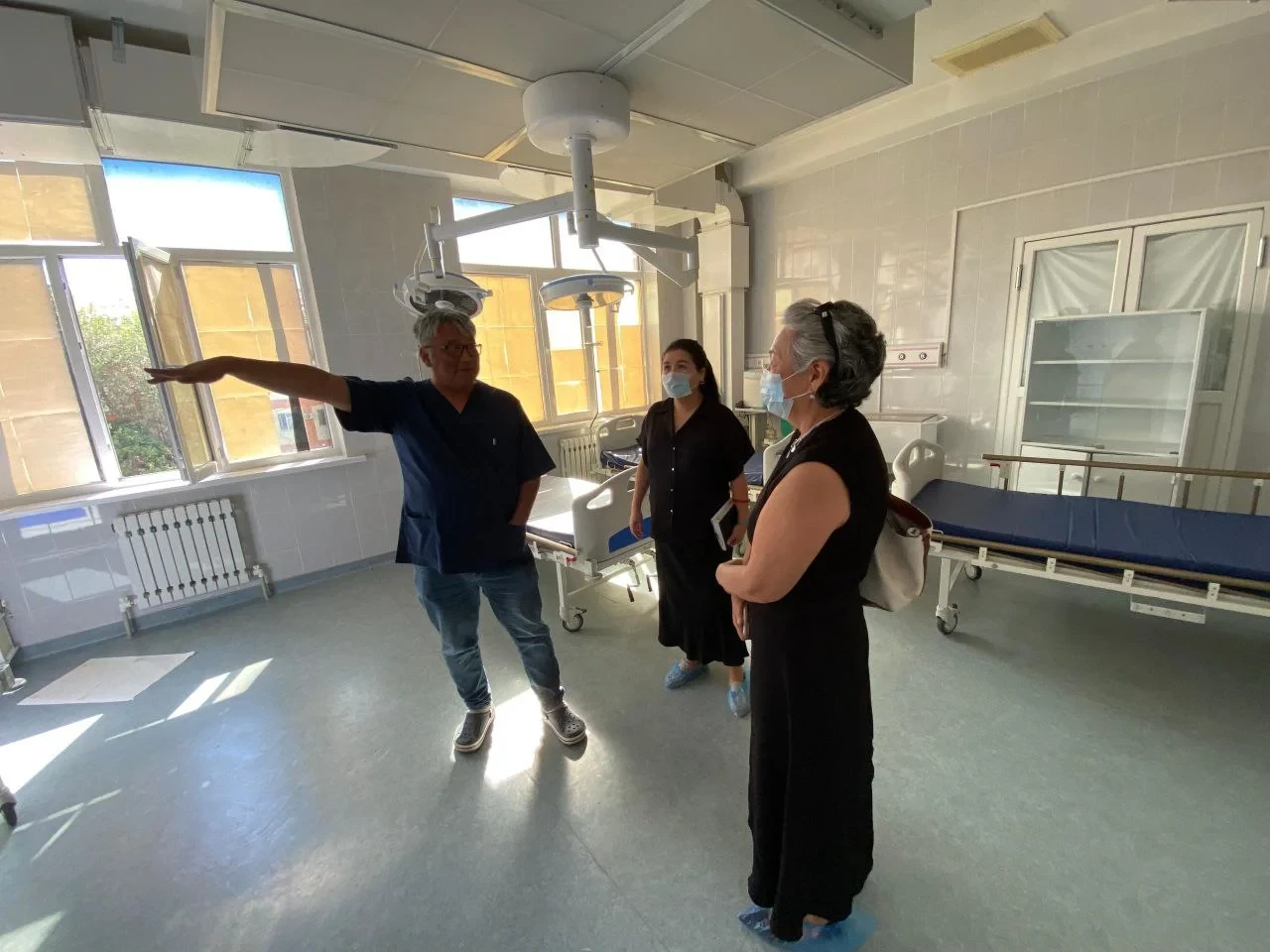
Additionally, the National Center for Oncology is in urgent need of new buildings. Every year, the load on the inpatient department increases: two patients are often accommodated in one bed, and some patients receive infusions while sitting on a chair.
In the regions, there are oncology departments; for example, in Osh, there are 15 beds where chemotherapy is administered and simple surgeries are performed. In Jalal-Abad, Tokmok, and Batken, only patients with mild forms of diseases are treated. In the Naryn region, there is not a single oncologist.
Similar problems were identified in the children's oncology and hematology department of the NCODM. As of the end of August 2025, about 60 children were hospitalized in the NCODM.
The increase in the number of new oncology cases among children is also concerning. If in 2014 about 70 new cases were registered per year, since 2023, their number has exceeded 200. The most commonly diagnosed are acute lymphoblastic leukemia, brain tumors, and neuroblastomas.
It should be noted that this increase is not only related to the rise in incidence but also to improvements in diagnostics.
Oncologists note that there have been more cases of refusal of treatment for children.
"They lack trust in medicine, there is a shortage of financial resources, and for religious reasons, many turn to mullahs and folk healers. There was a case where the parents of a child with leukemia after remission took him away and decided to treat him with unconventional methods. A year later, the disease progressed, and the child died," reported doctors from the Center.
As a result of the monitoring, Ombudsman Jamila Jamambaeva sent recommendations to the Cabinet of Ministers, the Ministry of Finance, the Ministry of Health, and the state enterprise "Kyrgyzpharmacia" to address the identified violations.
The Ombudsman proposed to develop a new strategy for the control and prevention of oncological diseases, as well as to approve a comprehensive plan for combating oncological diseases for 2025-2030.
Jamila Jamambaeva emphasized the need to work on issues of refusal of treatment and providing social and psychological support to families of cancer patients.
The Ombudsman also recommends allocating funding in the republican budget for the technical maintenance of equipment and reviewing the conditions for purchasing medications for oncology patients.