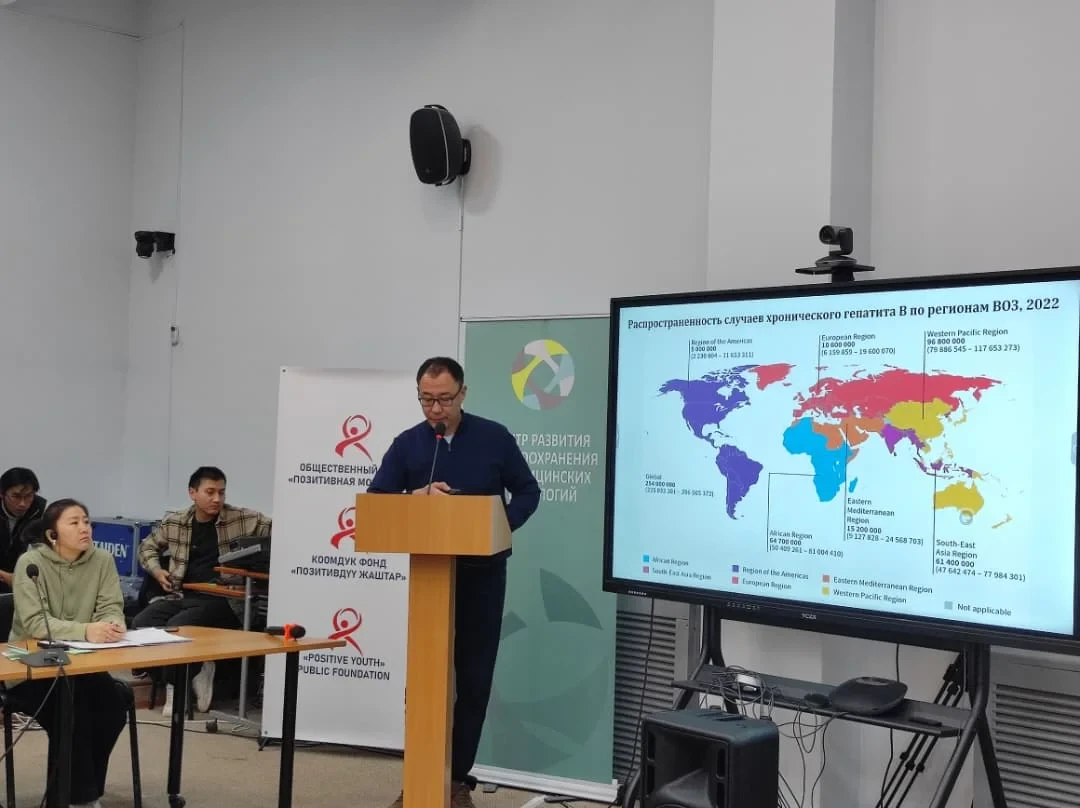
Kadyrov, who has over 35 years of experience in the phthisiatric service, emphasized that his comments are based on facts and years of experience. He noted that both the Talas Regional Hospital and the National Center in Bishkek pose no epidemiological threat to the residents of the surrounding areas. This conclusion was reached through decades of practical work and strict protocols.
"Throughout my service at the center, starting from 1986, not a single case of tuberculosis infection has been recorded among residents living near the hospital," he added.
This success, he stated, is the result of strict adherence to infection control measures. All waste, including medical materials and laboratory samples, undergoes a mandatory two-stage disinfection system. The primary treatment is carried out in the inpatient department using specialized equipment and solutions, after which the waste undergoes secondary treatment through a modern septic system.
Kadyrov also noted that a special ventilation regime is maintained in the facilities, and the air is regularly disinfected, which eliminates the possibility of infection spreading beyond the hospital.
He emphasized that the discussion of the "incorrect" location of the hospital in the city center is based on outdated views. In global practice, anti-tuberculosis institutions are often located in central parts of cities, and this is quite normal.
The head of the National Phthisiatry Center mentioned that he is familiar with the experiences of colleagues from Europe and Central Asia, where such hospitals are situated in densely populated areas. Modern phthisiatry is moving away from the practice of complete isolation of patients, transitioning to a more humane method of "treatment without separation from society."
Nevertheless, Kadyrov expressed concern about a deeper social issue related to the stigmatization and discrimination of people with tuberculosis. Calls to relocate the hospital, in his opinion, reflect a desire to hide patients and make them "invisible," which harms the fight against the disease. This leads to fear of seeking medical help, which, in turn, can result in late diagnosis and worsen the epidemic situation.
In conclusion, Kadyrov reiterated that anti-tuberculosis institutions in Kyrgyzstan are safe for the population and comply with all national and international standards, and their location in cities is a widely accepted global practice.