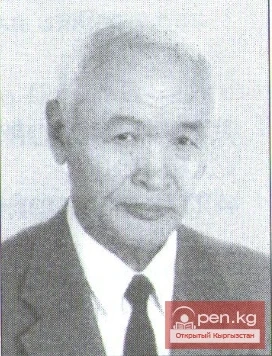
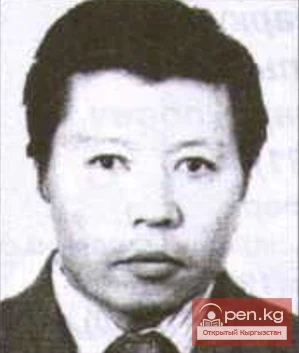
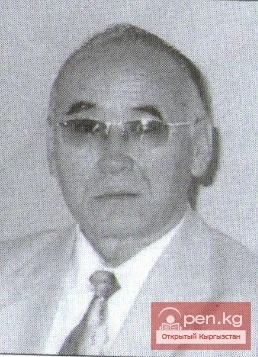
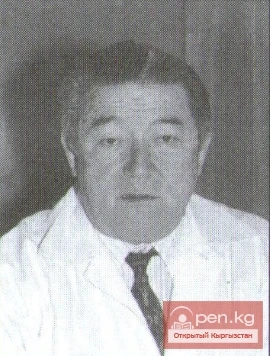
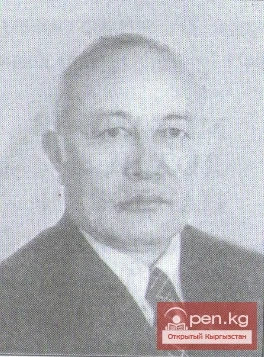
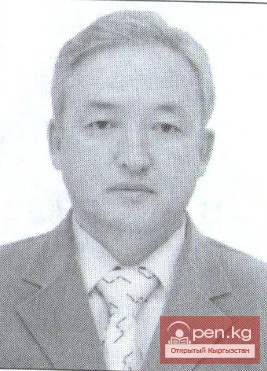
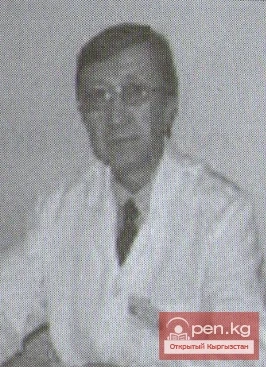
- Batyraliev is a Doctor of Medical Sciences, President of the Association of Medical Workers of the Kyrgyz Republic, a full member of the American College of Cardiology, as well as a corresponding member of the Russian Academy of Natural Sciences and an intercontinental organizer of cardiology services.
Text of the speech:
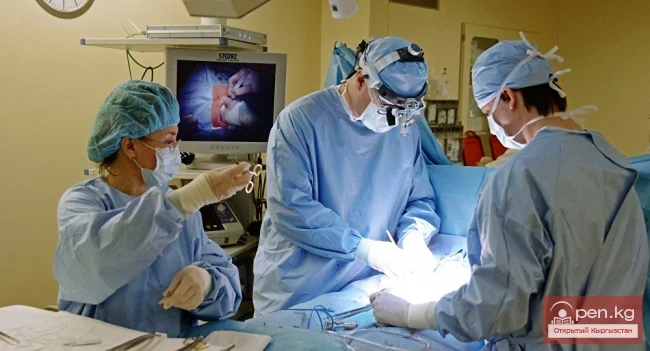
“There is a common misconception that heart surgeries, such as stenting and coronary artery bypass grafting, contribute to extending patients' lives. This is not entirely true.
Stenting can indeed prolong life, but only if it is performed during the acute phase of a myocardial infarction.
Coronary artery bypass grafting increases life expectancy only when all three major coronary arteries and their branches are affected, and it is essential to perform bypass surgery on the proximal anterior descending artery or the main trunk of the left coronary artery.
In other cases, even if stenting and bypass surgery can improve the quality of life by reducing symptoms of angina and shortness of breath, they do not affect life expectancy in stable disease progression.
What actually influences survival after such operations? The key factor is properly selected medication therapy that controls the level of "harmful" cholesterol, blood pressure, prevents thrombosis, and helps manage heart failure. This comprehensive therapy must be ongoing, not just prescribed in response to a patient's deterioration.
In the context of the active development of invasive cardiology in various countries, programs have been implemented aimed at increasing access to high-tech care for patients with cardiovascular diseases. One of the goals was to increase the number of stent placements in acute conditions such as unstable angina and myocardial infarction. However, as analysis results have shown, such a direct approach did not significantly impact the level of cardiovascular mortality. Vascular centers were established in regions and large cities for emergency assistance to patients, but the lack of preventive measures and further monitoring of patients after surgeries did not allow for a significant reduction in mortality rates, as confirmed by reports.
The program also provided important data. Angiographic machines that were purchased for remote areas turned out to be either unused or underutilized. The patient flows necessary for the effective operation of the equipment were not balanced. Training doctors in angiography became another issue: sometimes there was only one specialist for one machine, which raised doubts about the possibility of round-the-clock operation.
Moreover, the results of the purchases showed that acquiring a large number of stents and expensive consumables through government procurement, conducted once or twice a year, does not ensure stable supply. Sometimes warehouses are empty, while at other times materials with expiring shelf lives remain unused. Corruption risks have been perceived by the government as an obstacle to a consignment system that could ensure sustainable supply.
As a result, many doctors lack the necessary skills to work with medical equipment. There is a shortage of specialists with the required qualifications and academic degrees. Hospitals remain disconnected from educational institutions: the faculty either does not interact with practicing doctors or does so insufficiently actively.
As for the educators, their level of training often does not meet modern requirements. Some specialists who mastered techniques 40-50 years ago continue to train students despite the emergence of new technologies. Even in research centers, not all specialists have a high level of training, and the competencies of research staff can vary significantly.
Given these results, it is important to draw lessons before planning the procurement of angiographic machines without the availability of doctors, medications, and stents.
Furthermore, in recent years, there has been a noticeable increase in healthcare funding, supported by the president and the Cabinet of Ministers. It is important that these funds bring real benefits rather than simply increasing the stock of tools in warehouses.
• An accountable electronic system for procurement and monitoring the use of medical instruments is needed to ensure a continuous supply of consumables for high technologies. For example, centralized purchases in Moscow and Turkey have allowed for a reduction in the cost of materials and avoided surpluses in individual hospitals. Such a system can be implemented here, which would save state resources and prevent stockpiling.
• A situational center should be created to ensure the uninterrupted operation of expensive medical equipment and constant assessment of the use of new technologies. In one of the regional hospitals, an angiograph is idle due to technical malfunction.
• The system of postgraduate training for invasive cardiologists needs to be revised to produce specialists capable not only of performing procedures but also of managing complications.
• The possibility of organizing hybrid cardiology in collaboration with cardiac surgery should be explored.
• A centralized online monitoring system for drug and medical device expenditures across the country is necessary. Regular electronic audits and monitoring will help optimize the work of services and avoid unjustified expenses.
Expert evaluation of such projects involving specialists and international audits will be the key to saving state funds without compromising the quality of medical care for the population.”