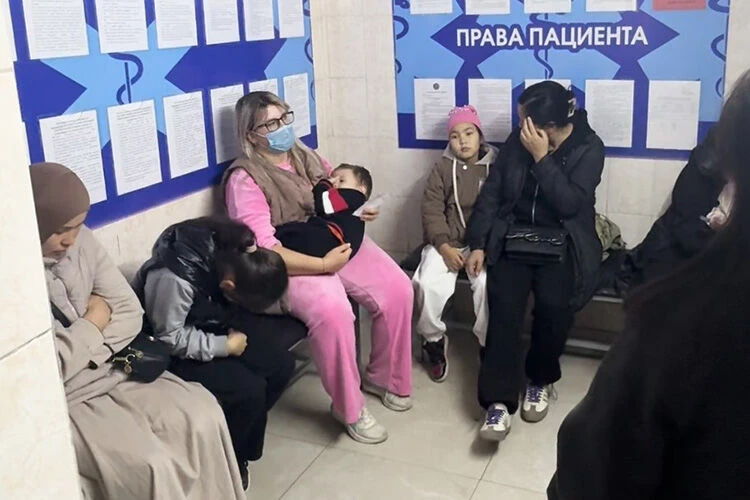
Social media is actively posting videos showing long queues at capital medical institutions and a significant flow of patients with symptoms of ARVI and influenza.
The Department of Health Prevention and State Sanitary and Epidemiological Surveillance claims that the epidemiological situation is under control and remains stable.
The highest number of visits is recorded at the Republican Infectious Diseases Hospital, the City Children's Hospital, and the National Center for Maternal and Child Health Protection.
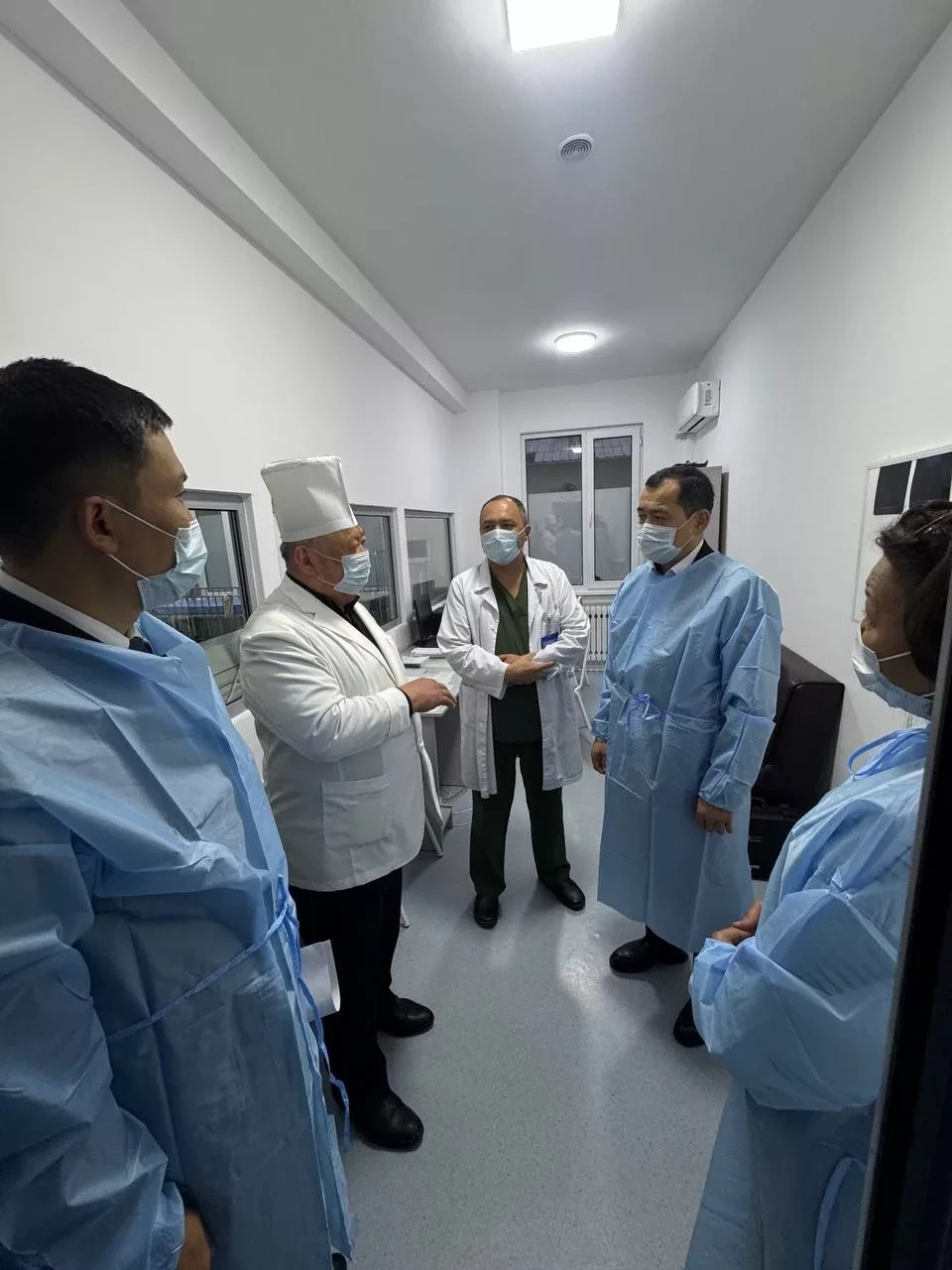
We contacted Nurgul Moldalieva, Deputy Chief Physician for Pediatric Issues at the Bishkek Infectious Diseases Hospital, to learn about the current situation.
- What is the current number of patients in the hospital?
- Our hospital has 500 beds, but currently, more than 550 people are hospitalized, most of whom are children aged from infancy to 10-12 years. The remaining patients are adults. This time of year traditionally sees an increase in cases of acute respiratory viral infections (ARVI).
Our institution has 9 departments designated for patients with ARVI. Almost 80% of hospitalized patients have these diagnoses. Since we are a third-level hospital, hospitalization is only carried out in cases of moderate and severe forms of the disease or the presence of complications and comorbidities. In children, bronchial obstruction, acute laryngotracheitis, bronchitis, and pneumonia are the most commonly diagnosed conditions.
In the last day, we received 296 patients, of which 70 came after midnight. About 30% of them require hospitalization, while the others receive outpatient treatment.
- What complications are observed in children?
- In the intensive care unit, there are mainly children with acute respiratory viral infections, most of whom have developed pneumonia. One child suffers from acute laryngotracheitis and second-degree respiratory failure.
- How is the flu situation this season?
- Many people mistakenly refer to any illness as "the flu." In reality, it can be any acute respiratory viral infection. For example, a case of Hong Kong flu, which is one of the strains of ARVI, has been registered in Kyrgyzstan. There are more than 200 types of such viruses in nature.
Previously, we could not accurately identify strains, but modern virology methods allow us to do so. Nevertheless, the symptoms remain similar, so there is no need to panic. It is important to correctly diagnose the disease and consult a doctor, avoiding self-medication.
- When should parents seek hospitalization, and when is outpatient treatment sufficient?
- I appeal to parents, especially in Bishkek. Some of them immediately take their children to the hospital, which is not always justified. Our hospital is intended for patients with severe forms of diseases or complications.
Together with the Ministry of Health, we have developed a new schedule for family medicine centers in response to the increase in illness. Clinics now operate on weekdays until 8:00 PM, on Saturdays until 6:00 PM, and on Sundays from 8:00 AM to 2:00 PM.
Only about 30% of patients who seek hospitalization actually need to be admitted. The others can receive outpatient treatment.
The first symptoms of ARVI include: high fever, headache, runny nose, cough, sore throat, myalgia, general weakness, and fatigue.
Special attention should be paid to:
- small children and infants, who are at high risk of complications;
- elderly people;
- patients with chronic diseases (respiratory issues, cardiovascular diseases, CNS disorders).
These groups should seek hospitalization at the first signs of illness to avoid complications. Other patients with mild symptoms can visit family medicine centers, where a doctor will assess their condition and prescribe outpatient treatment if necessary.
In the absence of complications, treatment can be done at home: bed rest, plenty of fluids, ventilation, wet cleaning, and if possible, a separate room with a mask to avoid infecting other family members. Antibiotics are not prescribed for viral infections. Following these rules contributes to successful recovery.
Additionally, we spoke with the head of the hospital's intensive care unit, who reported that among the patients in the ICU are children under one year and around one year old, all with acute respiratory viral infections.
"Some of them arrive with breathing difficulties and obstructive syndrome. We closely monitor their respiratory status. We also observe many children with pneumonia.
This year, there have been cases of meningitis. Some patients suffer from serious complications, such as loss of consciousness and brain swelling.
Furthermore, cases of intestinal infections, including enterovirus, continue. With the onset of the ARVI and flu season, there are fewer cases of measles compared to the previous year. Overall, 78% of all children seeking help suffer from ARVI and influenza," he noted.