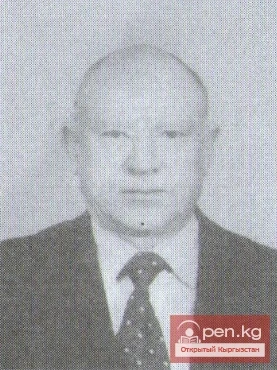
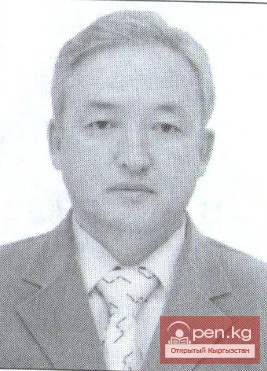
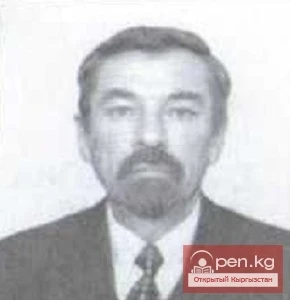
- Igor Pershukov holds a Doctor of Medical Sciences degree and is the head of the Department of Hospital Therapy with a course in Radiological Diagnostics and Oncology at ZHAGU.
Infectious diseases, including tuberculosis, remain a pressing medical and social issue both globally and in Central Asia.
Despite the successes achieved in reducing morbidity and mortality, the threat from drug-resistant forms of tuberculosis, rising co-infections with HIV, advanced cases, and high treatment refusal rates remains relevant.
Particular concern is raised by socially vulnerable groups such as the homeless, unregistered migrants, former prisoners, low-income individuals, and those suffering from addiction. These categories are characterized by low levels of healthcare access, late diagnosis, and treatment adherence issues, which contribute to the spread of infection and increased drug resistance.
According to Pershukov, the fight against tuberculosis must focus on promoting a healthy lifestyle, informing vulnerable populations about prevention and symptoms of the disease, and reducing stigma and discrimination.
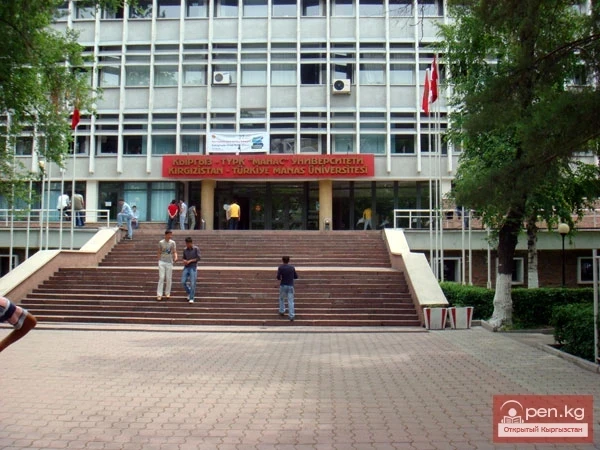
Starting May 1, 2025, the "Association of Young Doctors of Almaty" will launch a project titled "Promotion of a Healthy Lifestyle for Tuberculosis Prevention Among Socially Vulnerable Groups," which is initiated and overseen by the Almaty Public Health Department and the City Phthisiopulmonology Center. The project is led by S. A. Iskalieva, with the foreign curator being the Department of Hospital Therapy at MI NOPK ZHAGU in Manas.
The project aims to work with key population groups that are at high risk of tuberculosis, which is associated with frequent complications, late diagnosis, and difficulties in adhering to treatment regimens.
The main goal of the project is to prevent and disseminate information about a healthy lifestyle among patients from tuberculosis risk groups (homeless individuals, drug addicts, migrants from Central Asia, low-income individuals).
As part of the study, 2,208 patients from target groups at high risk of tuberculosis infection were surveyed from eight districts of Almaty. Both qualitative and quantitative methods were used to assess the level of awareness, attitudes towards a healthy lifestyle, and perceptions of risks associated with tuberculosis.
Pershukov clarifies that the survey aimed to determine the initial level of knowledge, attitudes towards prevention, the presence of harmful habits, and understanding of the risk of tuberculosis infection.
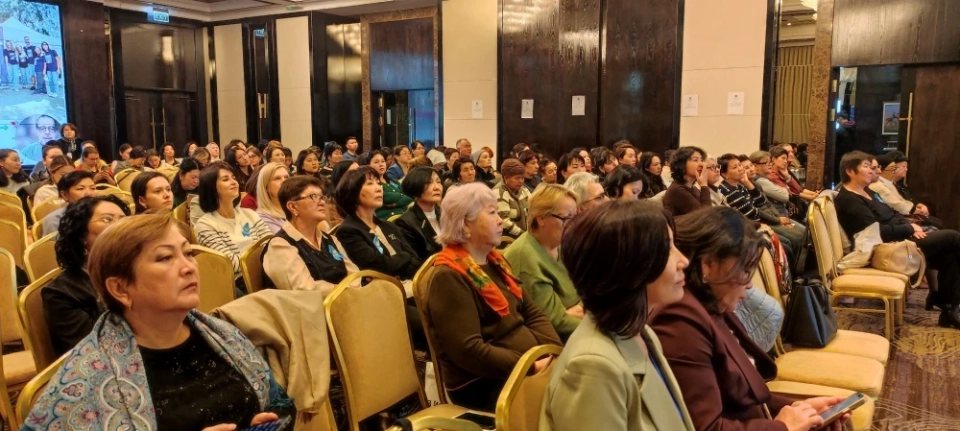
According to the professor, the questionnaire was adapted to the perception level of the target audience. The survey process included both group and individual preventive sessions, which involved:
- Interactive meetings and training sessions dedicated to tuberculosis prevention, principles of a healthy lifestyle, quitting harmful habits, increasing stress resilience, strengthening immunity, and other topics;
- The use of visual and handout materials adapted for the target group;
"Individual counseling for project participants was also conducted by specialists (a phthisiatrician, psychologist, social worker, etc.), where information was provided about the possibility of undergoing fluorography and laboratory testing for tuberculosis, as well as referrals for medical examinations and/or legal and social support in case of suspected disease. All procedures were conducted on a voluntary basis, and participants could withdraw from participation at any time, with their rights and confidentiality strictly upheld," adds Pershukov.
As a result of the project, 2,208 patients were surveyed, including 108 migrants from Central Asia, to assess the risk of tuberculosis infection. Assistance was provided to 22 patients with inactive tuberculosis in finding employment, which facilitated their rehabilitation. Additionally, 18 individuals who migrated from other countries received help in restoring their documents, allowing them access to medical services. This enabled timely access to necessary medical care and reduced the risk of further disease spread.
In conclusion, the team led by S.A. Iskalieva summarized the results of their work:
- Patients with tuberculosis from target groups (homeless individuals, drug addicts, former prisoners, unregistered migrants, low-income individuals) were timely identified and screened for tuberculosis.
- Information was provided about the risk of tuberculosis infection and the harm of treatment interruptions.
The study confirmed that a model of comprehensive tuberculosis prevention among vulnerable populations was implemented using advocacy and communication activities.