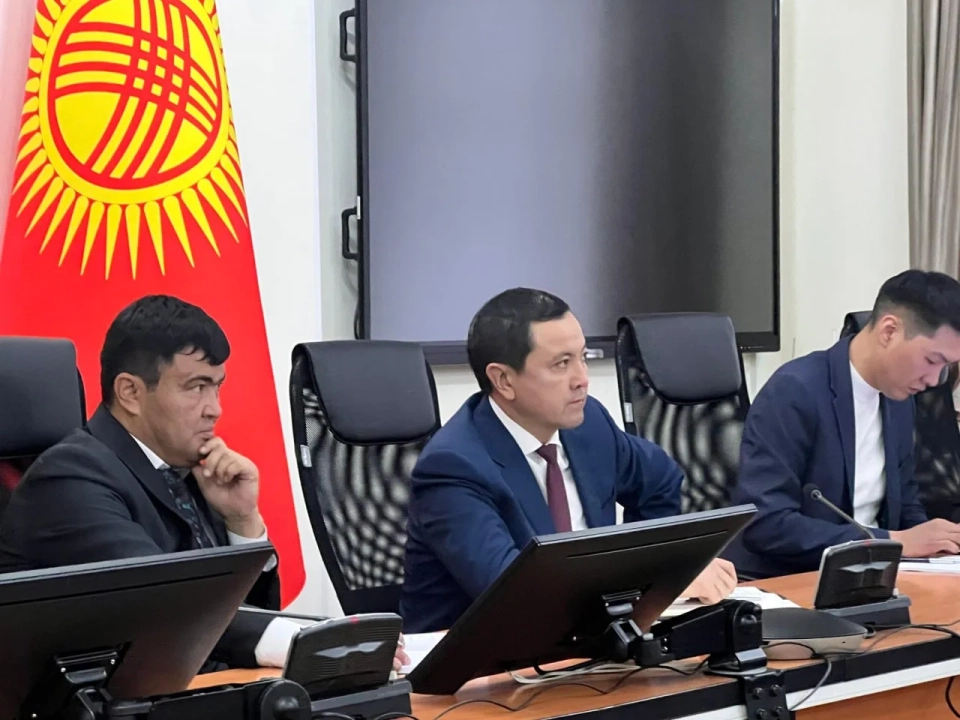
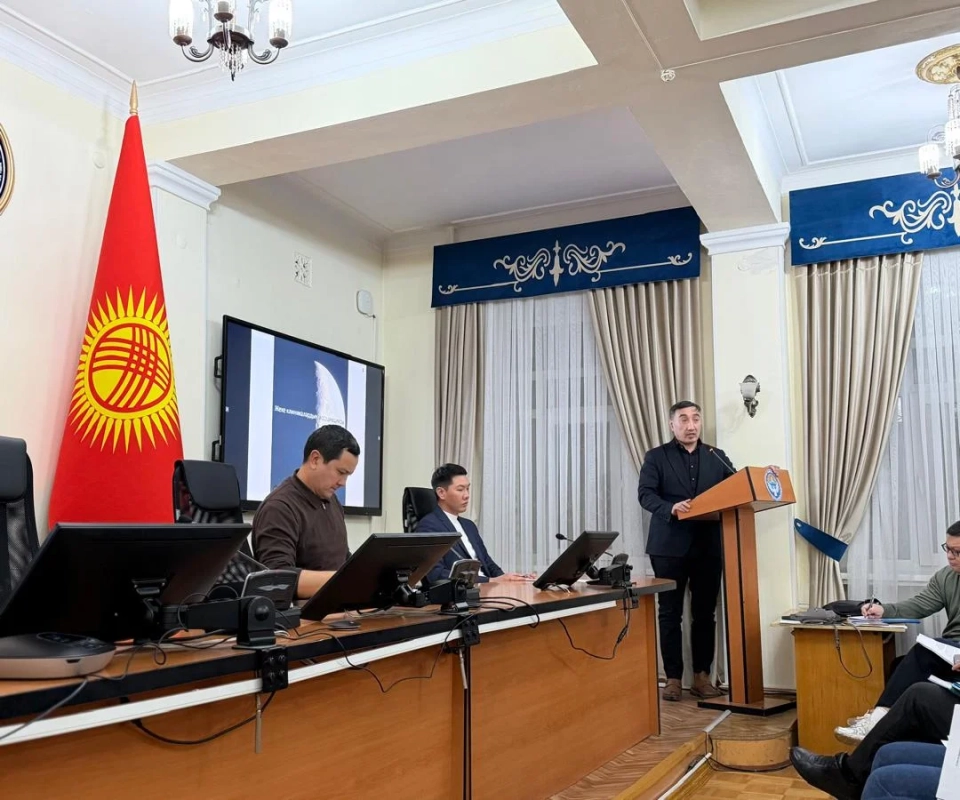
According to the press service of the Ministry of Health, the board meeting was chaired by Minister Kanaybek Dosmambetov.
During the meeting, an analysis of the key areas of the ministry's work over the past year was presented, including the implementation of state programs, workforce development, financing, infrastructure modernization, digitalization, and cooperation with international partners.
“Participants discussed issues related to improving primary healthcare, staffing in the regions, quality of medical services, sanitary-epidemiological safety, and pharmaceutical provision,” the press service reported.
Kanaybek Dosmambetov emphasized that 2025 was a year of both positive results and serious challenges for healthcare. He noted that healthcare remains a strategic priority of state policy and requires new approaches in management, prevention, and staffing.
In 2025, the country observed a decrease in infant mortality, which amounted to 13.5 per 1,000 live births, a reduction of 4.2% compared to the previous year. However, the structure of the causes of infant mortality remains unchanged: perinatal diseases account for 65.7% of cases (1,224 children), congenital anomalies — 15.5% (289 children), and respiratory diseases — 8.2% (152 children). At the same time, there was a 28.1% increase in infectious and parasitic diseases,” the ministry noted.
Simultaneously, there was a recorded increase in maternal mortality: in 2025, 48 cases were registered (34.8 per 100,000 live births), which is 35.4% higher than in 2024 (25.7 or 36 cases).
According to the minister, the level of maternal and child mortality is a crucial indicator of the functioning of the healthcare system and should be among the priority tasks, as it concerns the lives of women and newborns.
Dosmambetov called the increase in maternal mortality a “serious signal for making management decisions” and instructed to develop a comprehensive set of necessary measures as soon as possible. He emphasized the need to revise the standards of antenatal care with a focus on quality, establish digital communication between primary care and hospitals, as well as strict routing of pregnant women, especially from high-risk groups. He also proposed to enhance telemedicine consultations and introduce prenatal screening.
“The priority should be the prevention of complications, timely hospitalization, and access to qualified medical care,” the minister added.
He also noted that the healthcare system faces challenges such as outdated infrastructure, management overload, and staff turnover, but at the same time has significant potential.
According to him, the strategic vision is to create a managed, modern, and sustainable healthcare system based on prevention, clinical management, and accountability for results.
The minister emphasized that the sector must shift from reacting to emerging problems to preventing them, and the functioning of the system must be effective both in the capital and in the regions.
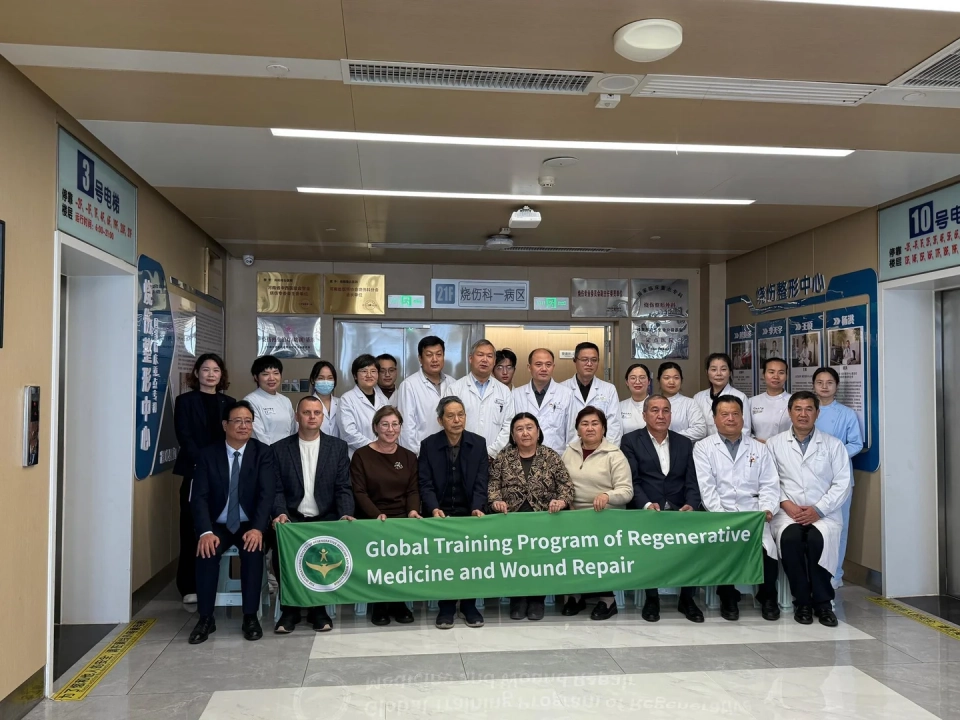
The minister paid special attention to staffing issues, reporting on the steps being taken to strengthen the workforce: increasing salaries, creating housing conditions, supporting doctors in the regions, implementing international training programs, and opening opportunities for the return of specialists from abroad.
As a result of the board meeting, priority areas for work in 2026 were identified.
The minister outlined key tasks for the modernization of the healthcare system, including updating medical infrastructure, ensuring uninterrupted access to affordable and quality medicines and medical devices for the population, as well as strengthening workforce capacity.
Among the main tasks for 2026, the reduction of maternal and infant mortality, revising the cancer treatment program with an emphasis on the accessibility of diagnostics and drug therapy, as well as enhancing preventive measures to reduce mortality from cardiovascular diseases through strengthening primary healthcare were also highlighted.
According to Dosmambetov, prevention should mean a shift from treating diseases to forming a healthy society. This includes not only early detection but also promoting a healthy lifestyle, preventing risk factors, and increasing citizens' responsibility for their own health. He also emphasized the importance of vaccination as a measure to protect children from vaccine-preventable infections, noting the need to strengthen public trust in immunization and improve its quality, as vaccination is an investment in the health of future generations.
The minister added that oncology and cardiovascular diseases require a systemic approach at all stages — from prevention and screening to specialized care and rehabilitation.
Additionally, plans for 2026 include the establishment of a new state laboratory service, updating clinical protocols, improving quality control and financial discipline, as well as developing digital technologies that will ensure transparency of processes and effective management of the system.