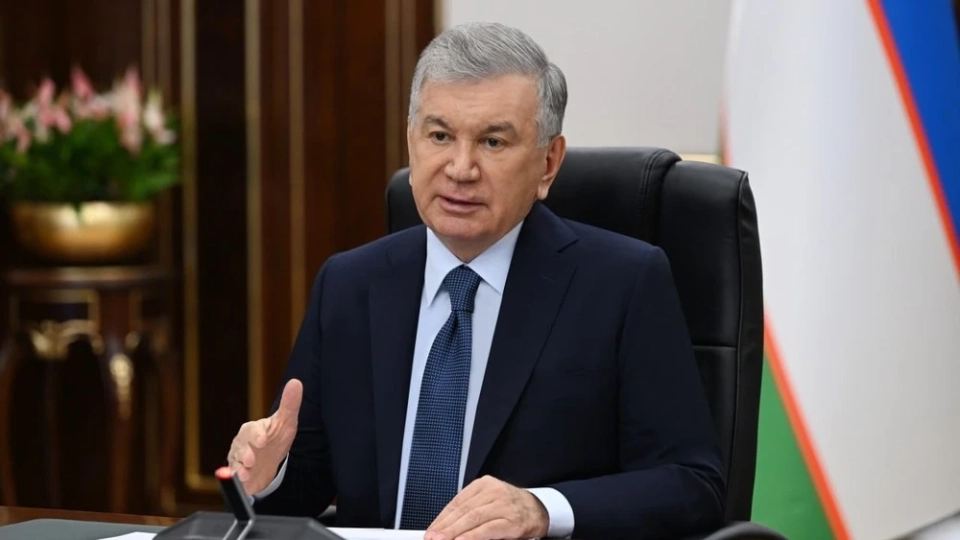
As part of the support program for Uzbekistan's textile industry, announced during a meeting with the president, $200 million will be allocated for preferential loans to meet working capital needs. The presentation took place on December 23, where plans for 2026 were also outlined, according to the president's press service. According to data provided by the authorities, in 2025, the production volume in the textile sector is expected to reach 134 trillion sums (over $11 billion). Foreign investment is projected to amount to $2.1 billion, while export figures are expected to rise to $2.5 billion. Currently, 623 thousand people work in this sector, and the authorities plan to increase this number to 650 thousand next year.
Among the factors hindering the sustainable development of the textile industry are the need to import part of the cotton, high cost of financial resources, increased logistics costs in international markets, and a lack of qualified personnel in certain areas.
To address these challenges, a strategy for 2026 has been developed, which includes not only preferential financing but also financial rehabilitation for 138 enterprises. Additionally, there are plans to involve 100 new entrepreneurs in export activities. Deep processing of cotton and increasing the capacity utilization for finished product manufacturing will be priority areas for the coming year.
According to the target indicators for 2026, production volume should increase to 147 trillion sums ($12.2 billion), and exports should reach $3.3 billion. An additional $2.2 billion in foreign investment is expected, which will enable the creation of capacities for producing 207 thousand tons of yarn, nearly 400 million square meters of fabrics, and over 200 million units of sewing and knitwear products.
Particular attention will be paid to standardization and quality issues. International programs such as Better Work, BCI (Better Cotton Initiative), and FWF (Fair Wear Foundation) will be implemented in 60 enterprises. 15 factories will transition to international financial reporting standards, and there are plans to establish a modern laboratory for product quality analysis across 24 areas.
Digitalization of the industry is also identified as an important development vector. The implementation of ERP systems (Enterprise Resource Planning) and artificial intelligence technologies in 40 enterprises is expected to enhance production efficiency. Plans have been developed for cooperation with international brands and support for the relocation of foreign production to Uzbekistan.