Weaving
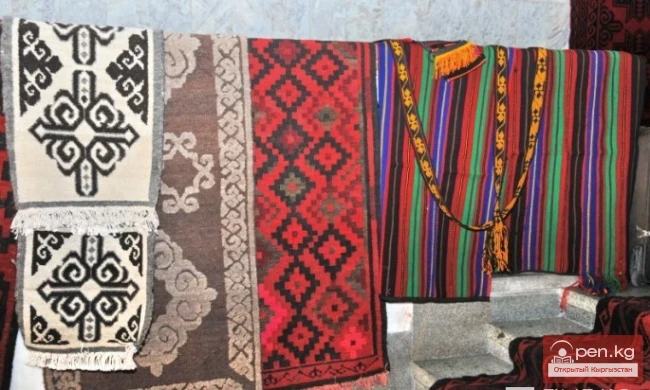
In the economic life and daily life of the southern Kyrgyz, various items made using the technique of hand weaving held a prominent place. Currently, many types of weaving have almost been lost. They have been best preserved in the Alay Valley and in the southwestern regions of the Osh region. Like all Kyrgyz, the weaving of woolen belts — gashniks (ychkyr), used for men's and women's sharovars, was widespread. They are woven by hand from uncolored twisted threads (white or brown). The belts are flat, with a width of 2.5—3.5 cm and a length of 120—150 cm. The weaving usually features a "herringbone" pattern. The pattern is formed by interlacing 32—36 threads. The middle of the belt (about 30-35 cm) is left unwoven, hidden in the folds of the sharovar. The ends of the belts made for grooms were decorated with fringes and embroidered with colored wool.
A similar method of weaving and decorating belts is noted among the Kazakhs.
They also weave a type of ribbon called chalma, which is used for various purposes: for tying clothing at the collar, edging felt items — yurts' covers, potniks, for cradles, and for securing the dome and wall poles of the yurt, as well as for decorative ornaments. In terms of weaving technique, there are two types of ribbon: round — togolok (or jumuru) chalma and flat — jalpak chalma. It is woven by alternately transferring loops from 5 pairs of threads from the fingers of one hand to the fingers of the other. The support during the interlacing is either the big toe or a hook. Sometimes, a helper holds the ends. Artistic weaving is also characteristic (especially for the Kyrgyz in the western part of the region) of twisted multicolored cords made from silk threads, which serve as decorations for men's felt headgear and other items.
In the past, flat ribbons were woven using two small boards. The size of the board is 6X9.5 cm. There are holes in the corners through which the threads are threaded. When the board is rotated around a narrow axis, a gap is formed into which the threads that create the weft are introduced. Two women participate in the work of weaving, both by hand and on boards. One turns the boards while the other introduces the weft and secures it with the edge of her hand.
In the past, ribbons were also woven from silk and cotton threads on specially made small looms similar to a regular narrow weaving loom. The ribbons, 2—3 cm wide, were used to trim women's hats and were ornamented with embroidery to decorate the collars of girls' and women's dresses. Weaving and fabricating ribbons have gained wide popularity among the Uzbek population.
For finishing potniks, bags, and decorative strips in the yurt, fringes (tokmo gajym) made from woolen threads are woven. Among the Kyrgyz of the noygug group, narrow fringes made using this technique are used to trim women's thigh-length clothing. Fringes, like ribbons, are made both by hand and on boards.
A special method — tishtep tuyun (tying knots with teeth) — was previously used to weave lace (tor). The craftswoman held the edge of the lace ribbon in her teeth while tying knots with her hands, counting them and changing the threads. The lace was used to frame various items in the yurt. This ancient method later became used to weave lace from colored silk. A similar primitive method was used to weave fine lace that adorned the edges of women's embroidered headscarves — duril.
Recently, lace has begun to be woven from cotton threads for finishing the ends of towels, which appeared under the influence of contact with Russian settlers. The technique of crocheting lace was also borrowed from the Russians.
Knitting with wool on needles or with a hook was not known to the Kyrgyz. However, recently they have learned to knit patterned socks from Tajik women, but they primarily knit them for children.
On the border of weaving and fabricating is a peculiar method of making patterned ribbon (chyrmama) 5—7 cm wide, used for making girths and tying bundles of items. The base is stretched from tightly twisted woolen threads, with their number always being even. The weft consists of threads dyed in various bright colors (usually red, blue, pink, white, and brown). They interlace the base threads equally on both the front and back sides. As a result, a geometric stepped-checkered pattern with gaps is produced.
Ribbons made in this way are found only in the western regions of the Osh region and are completely unknown to the northern Kyrgyz. In the Surkhandarya and Samarkand regions of Uzbekistan, semi-nomadic Uzbeks produced girths for horses and donkeys using a similar technique.
The method of making the syzma ribbon is quite unique, with its width depending on its purpose. Such ribbons are used as girths, tail straps (kuyushkan), and for tying bundles of items. In the past, it was widely used by all Kyrgyz, as well as Kazakhs, for securing parts of the yurt and for tightening the top and sides of the lattice walls of the yurt. The technique of making this ribbon can be classified as one of the oldest. It evidently existed among peoples who did not know weaving.
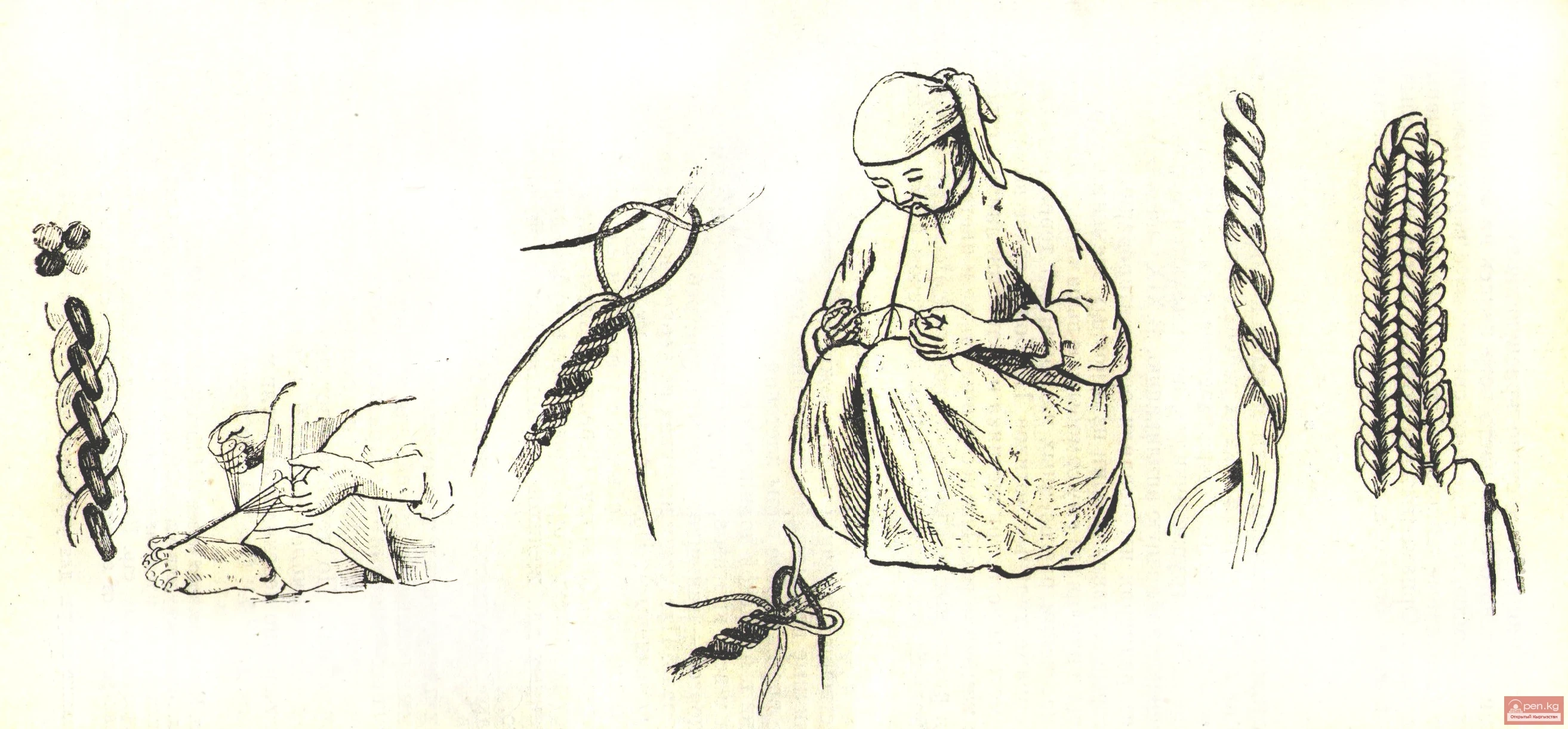
To produce ribbons, Kyrgyz women use solid gray or densely pink-dyed wool. Every elderly woman possesses a fairly simple technique for making it. The entire technique boils down to twisting a woolen strand between the palms. One thread is twisted to the right, and the other to the left. They are wound into different balls. To sew the ribbons together, the craftswoman prepares these balls, a thick needle, and wool threads called "shoona." With the thread threaded through the needle, the craftswoman secures the twisted strands. The needle is passed inside so that the threads are not visible. 8—14 strands are sewn together. A ribbon with a herringbone pattern is formed, giving the impression of fabric. This archaic form of weaving technique is stable. In Kyrgyz daily life, it has been preserved to this day. It is used for edging the edges of felt covers of the yurt and the edges of mosaic felt carpets. When making the latter, the joint of the multicolored pieces is masked with a relatively thin cord made using the "syzma" method.
Read also:
The Beautiful Country Known as Kyrgyzstan
Kyrgyzstan is a small country bordering Uzbekistan, Kazakhstan, and Russia. The main attractions...
Annual Clothing Fair "Made in KG - 2014"
In anticipation of the new school year, from August 21 to August 30, 2014, the annual fair of...
Central Asian Frog / Kyzyl Koltuk Frog / Middle Asia Wood, or Asiatic Brown, Frog
Central Asian Frog Status: Category VUB1ab(iv). A mosaic-distributed species with a disjunct and...
Narrow Yurt or Spacious? (A Parable)
A very sad young man approached the wise elder. - Help me, elder. I have a yurt, but my family is...
Black Vulture \ Tazkara \ Cinereous Vulture
Cinereous Vulture Status: VI, Near Threatened, NT. The only representative of the genus in the...
Karakol. Terskey Ala-Too. Backcountry and Freeride in Kyrgyzstan.
Russian fans of extreme freeride and backcountry made an introductory video about Karakol and...
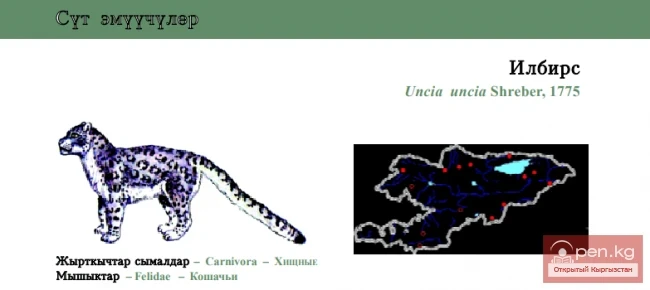
Snow Leopard / Ilbirs / Snow Leopard
Snow Leopard Status: III. Critically Endangered, CR C2a(i): R, C1....
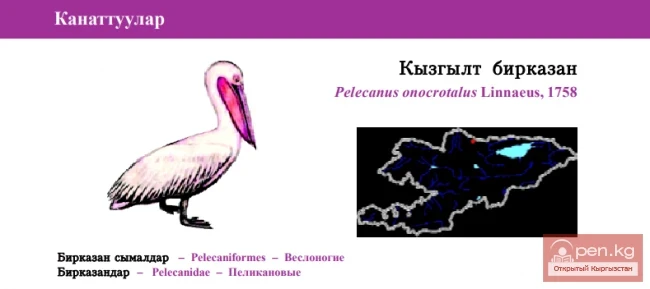
Pink Pelican / Kyzgylt Birqazan / Great White Pelican
Pink Pelican Status: VI category, Near Threatened, NT: R. One of 2 species of the genus, rarely...
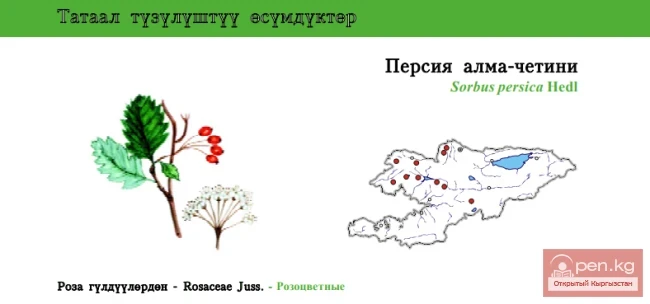
Persian Rowan \ Persia Alma-Chetini \ Persian Rowan
Persian Rowan Status: VU. Endemic, ornamental species....
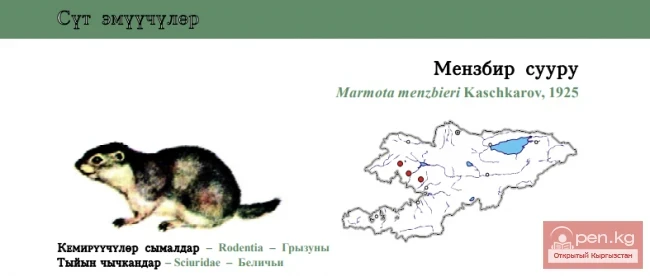
Menzbier's Marmot / Menzbir Squirrel / Menzbier's Marmot
Menzbier’s marmot Status: V category, Vulnerable, VUB1+2c. Rare species. Endemic to the Western...
Kyrgyz Republic - This is Our Land
The Kyrgyz Republic is a country of Heavenly Mountains, stunning nature, and hospitable,...
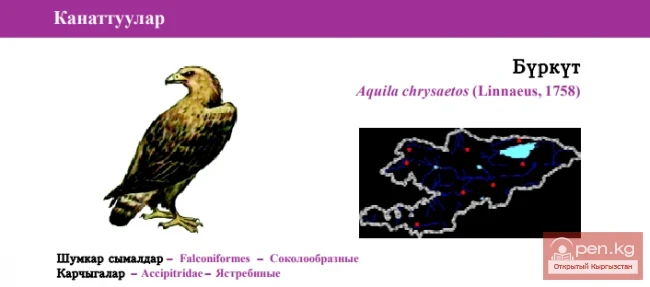
Berkut \ Burkut \ Golden Eagle
Berkut Status: VI category, Near Threatened, NT: R. One of four species of the genus in the fauna...
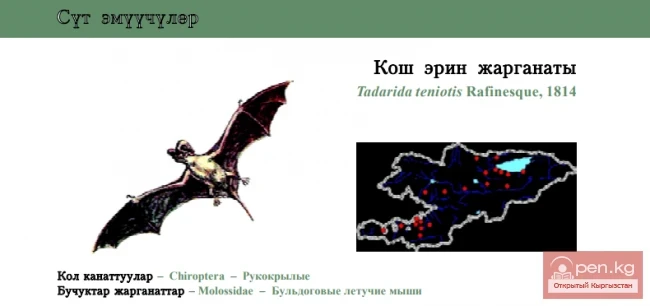
Broad-eared bat / Erin's bat / European Free-tailed bat
Broad-eared bat Status: Category VII, Lower Risk/least concerned, LR/lc....
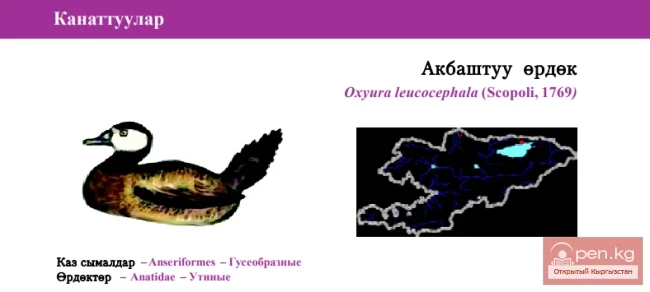
Savka / Akbashthuu ordok / White-headed Duck
Savka Status: IV category, Endangered, EN, 2bcde. Monotypic species....
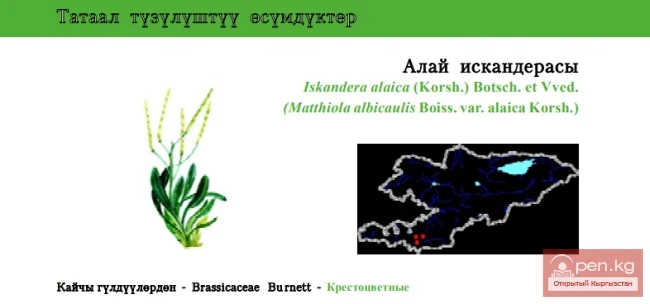
Iskander of Alai / Alai Iskander / Alai Iskander
Iskandera Alai Status: VU. A very rare narrow endemic species. There is only one species of this...
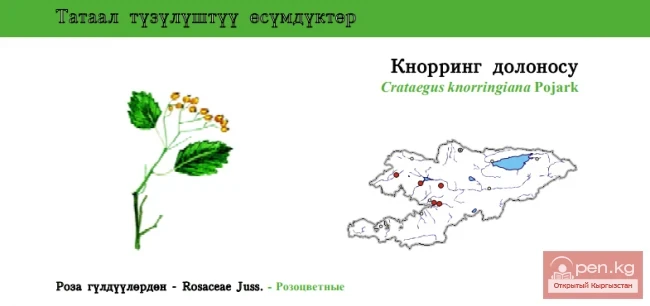
Knorring's Hawthorn / Knorring's Dolenos / Knorring’s Haw-tree
Knorring’s Haw-tree Status: VU. A narrowly endemic species....
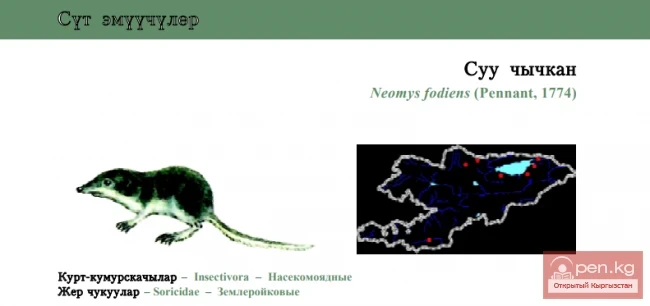
Common Water Shrew / Eurasian Water Shrew
Common Water Shrew Status: Category VI, Near Threatened, NT: R. A rare species for Kyrgyzstan,...
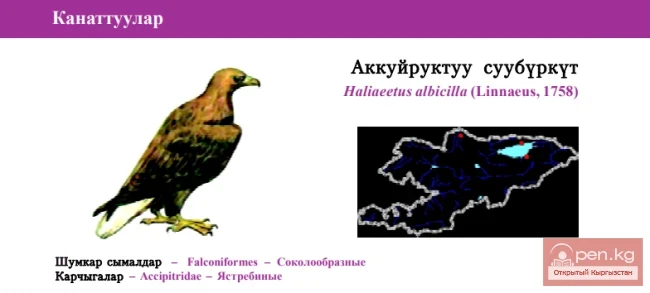
White-tailed Eagle \ Aquila chrysaetos
White-tailed Eagle Status: Category VI, Nearly Threatened, NT. A rare bird with a declining...
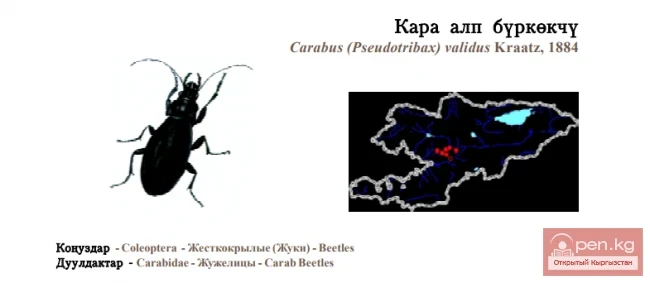
Vigorous Ground Beetle / Кара алп буркёкчу / Брызгун могучий
Vigorous Ground Beetle Status: Category II (VUBlb(iii)+2b(iii,iv); C2b). A narrowly distributed...
Kyrgyz-American Hip-Hop Fest 2015
From May 28 to June 5, 2015, a youth festival "Kyrgyz-American Hip-Hop Fest 2015" will...
From Indie Music Festival to Mad Metal Festival
Musicians of Kyrgyzstan Create a Unified Creative Community Musicians from various bands in...
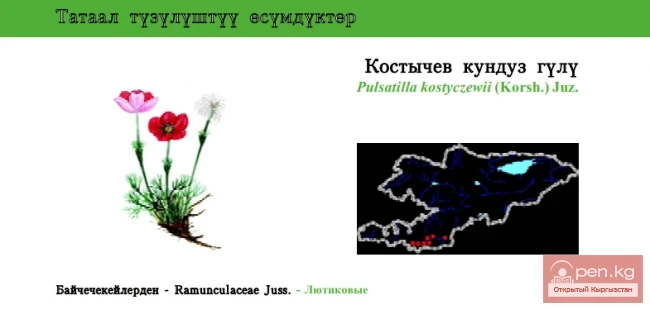
Kostychev's Pasque Flower
Kostychev’s Pascueflower Status: VU. A narrowly endemic and very beautiful plant, deserving...
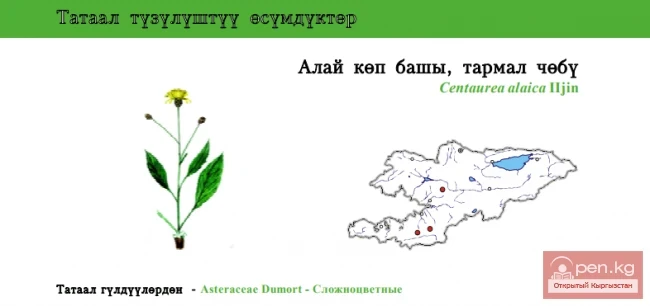
Alai Cornflower / Alai's Many Heads, Thick Stem / Alai Centaury
Alai Centaury Status: VU. Endemic species....
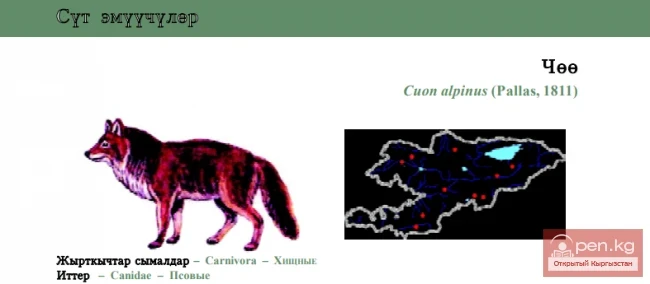
Red Wolf \ Chёё / Asiatic Wild Dog
Red Wolf Status: III category Critically Endangered, CR: R. There have been no confirmed sightings...
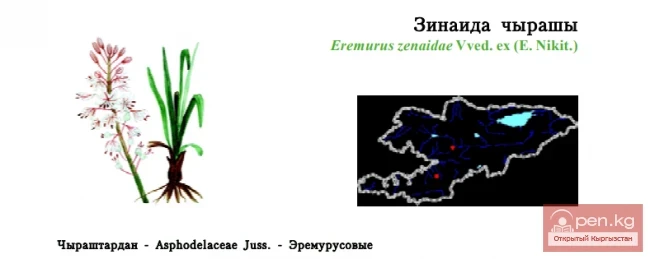
Zenaida's Foxtail Lily
Eremurus Zenaidae Status: VU. Endemic to the lower and middle belts of the Fergana and Alai...
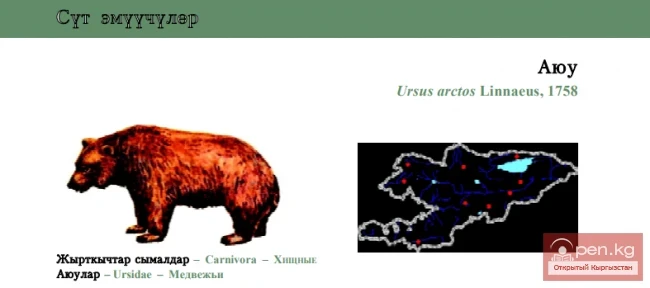
Brown Bear \ Ayyu / Brown Bear
Brown Bear Status: VII category, Lower Risk/least concerned, LR/lc. A rare subspecies of bear...
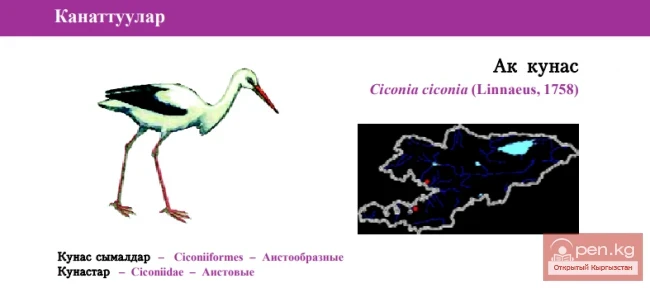
White Stork / Ak Kunash / Белый аист
White Stork Status: IV category, Endangered, EN: R. One of the 2 species of the genus found in...
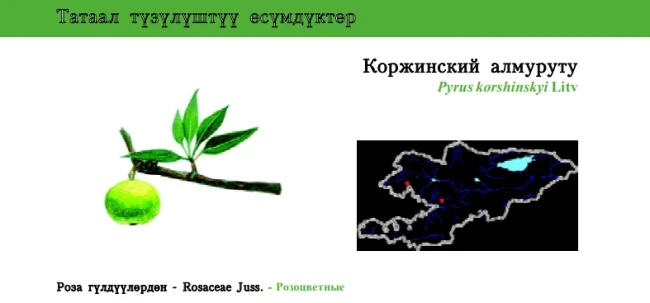
Korzhinski's Pear / Korzhinski Almurutu / Korzhinski's Pear
Korzhinski’s Pear Status: VU. One of three species growing in the territory of the Kyrgyz...
Grenada
GRENADA A country on the eponymous island and two islands from the Grenadines group in the Lesser...
Harmful for vulnerable groups. The air quality in Bishkek at 11:00 is 104 AQI (smog map)
As of October 21, 2025, at 11:00, the air quality index in Bishkek is recorded at 104 AQI. This...
Satisfactory. The air quality in Bishkek at 16:00 is 95 AQI (smog map)
According to IQAir, as of 4:00 PM on October 23, 2025, Bishkek recorded an air quality index of 95...
Satisfactory. The air quality in Bishkek at 17:00 is 94 AQI (smog map)
According to IQAir, as of October 21, 2025, in Bishkek at 17:00, the air quality index is 94 AQI....
Harmful for vulnerable groups. The air quality in Bishkek at 10:00 is 119 AQI (smog map)
As of 10:00 AM on October 22, 2025, the air pollution level in Bishkek is rated at 119 AQI. This...
Types of Insects Excluded from the Red Book of Kyrgyzstan
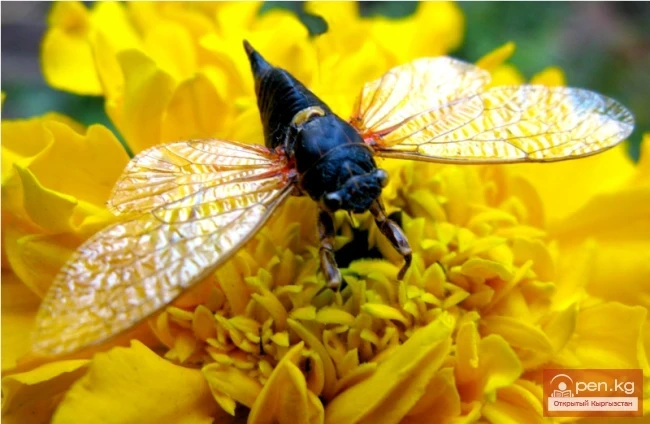
Insect species excluded from the Red Data Book of Kyrgyzstan Insect species excluded from the Red...
Tax officials intercepted the smuggling of cosmetics worth over 5 million soms
At the checkpoint "Ak-Zhol," tax officials, together with border guards, identified an...
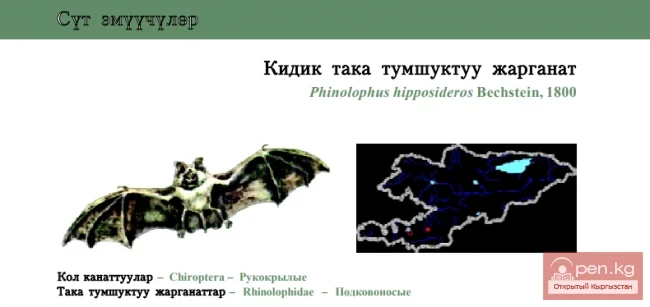
Lesser Horseshoe Bat / Kidik Taka Tumshuktyu Jarganat / Малый подковонос
Lesser Horseshoe Bat Status: Category VI, Near Threatened, NT: R. A species with a declining...
Satisfactory. The air quality in Bishkek at 16:00 is 96 AQI (smog map)
According to IQAir data, as of October 22, 2025, at 16:00, the air quality index in Bishkek is 96...
Bekmamat Murzakmatovich Dzhengbaev (1960)
Dzhenbaev Bekmamat Murzakmatovich (1960), Doctor of Biological Sciences (2001). Kyrgyz. Born in...
Kyrgyz Companies Participate in International Exhibition in Abu Dhabi
The exhibition features confectionery products, fruits, nuts, and beverages From October 21 to 23,...
Tagai Bi (Muhammed Kyrgyz)
In the history of the 16th century, Tagay Bi was celebrated under the name of the great figure...
Black Stork
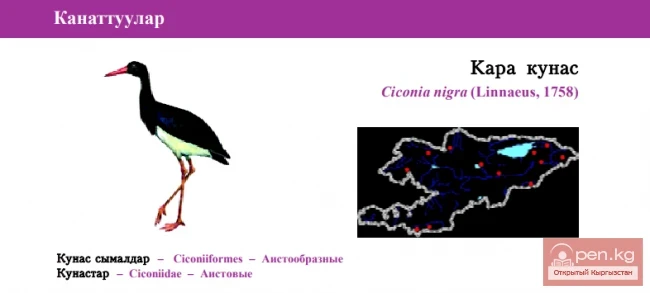
Black Stork Status: VI category, Near Threatened, NT: R. One of two species of the genus in the...
The presentation of the Regulations on the national award "KYRGYZ TOURISM AWARDS" took place.
On April 16, 2014, a press conference was held at the "Kabar" news agency regarding the...
Pasternak's Glacier / Miongu Pastinacopsis / Pastinacopsis
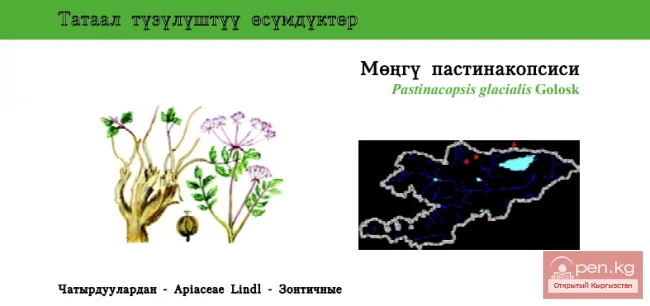
Glacial Pastinacopsis Status: EN. A rare endemic species of a monotypic genus in the Northern Tien...
World Economic Forum 2014-2015: Kyrgyzstan Improved Its Position by 3 Places in the GDP Ranking
Kyrgyzstan ranked 128th in terms of gross domestic product among 144 countries with $7.2 billion...
Satisfactory. The air quality in Bishkek at 11:00 is 90 AQI (smog map)
As of October 23, 2025, at 11:00, the air quality index in Bishkek is 90 AQI. This value is...
The Spread of Kyrgyz Pile Weaving
Pile weaving has long been known to the Kyrgyz living in the territory of the modern Osh region,...