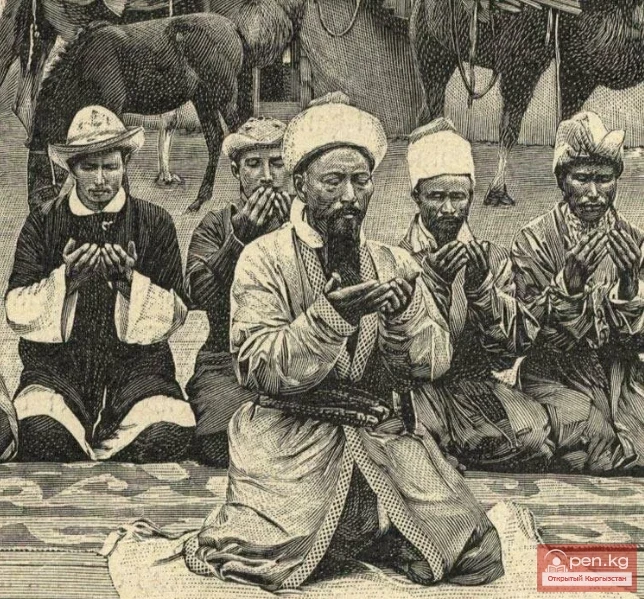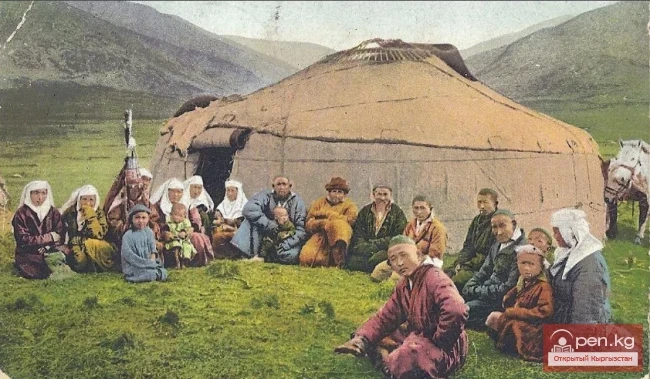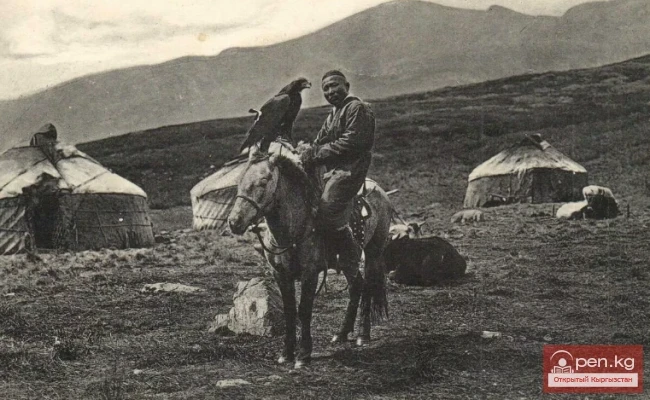
Unlike the settled peoples of Central Asia, the Kyrgyz were the last to adopt Islam. It is important to note that the level of religiosity among the Kyrgyz in the north and south of the country varies significantly, which is predetermined by the historical development of the region. A characteristic feature of the religiosity of the Kyrgyz in the north is the close intertwining of Islam with pre-Islamic pagan beliefs, accepting only the external form of Islam—rituals, traditions, and holidays.
The features of the religiosity of the Kyrgyz in the south are determined by historical development and the place of Islam among the ethnic groups inhabiting the Fergana Valley. The ethnic composition of the valley's population was quite diverse—more than ten Turkic and Iranian-speaking ethnic groups lived there. Before the establishment of modern state formations, all ethnic groups in the region, both nomadic and settled, identified themselves as part of the territorially unified Fergana and referred to themselves as "Muslims," viewing Islam as an alternative to nationality.
Geographical location and historical-cultural past contributed to a better perception of European culture by the northern Kyrgyz, while the southern Kyrgyz were more influenced by Eastern and Arab cultures. The activity of Islamic radicals and the sympathies towards them among parts of the population have their social and cultural roots, which are complemented by the regional specifics of Islam, determined by the peculiarities of historical and cultural development, ethnocultural affiliation, and contemporary political conflicts.
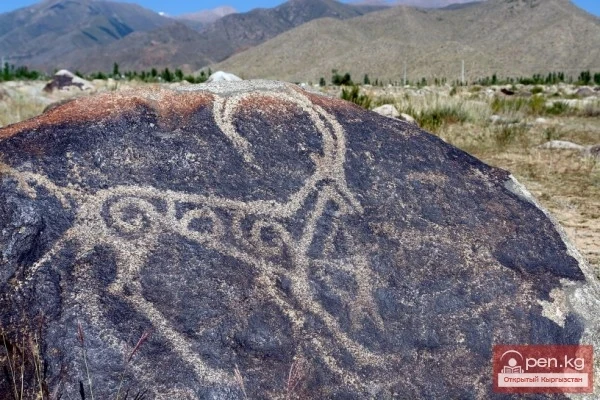
In the religious space of modern Kyrgyzstan, three different directions of spiritual values can be identified. The first direction is local magical forms of religiosity, particularly Tengrism and shamanism, which are especially prevalent in rural areas. The second direction includes traditional religions (Islam, Orthodoxy). The third consists of non-traditional confessions (Christianity in its evangelical form, Eastern cults, etc.).
In the Kyrgyz Republic, freedom of religion, spiritual and cult freedom is constitutionally enshrined.
Article 8 of the Constitution of the Kyrgyz Republic states that "religions and all cults are separated from the state." In accordance with this constitutional principle, the state does not interfere in questions of a citizen's relationship to religion or in the activities of religious organizations, as long as they do not contradict the law.
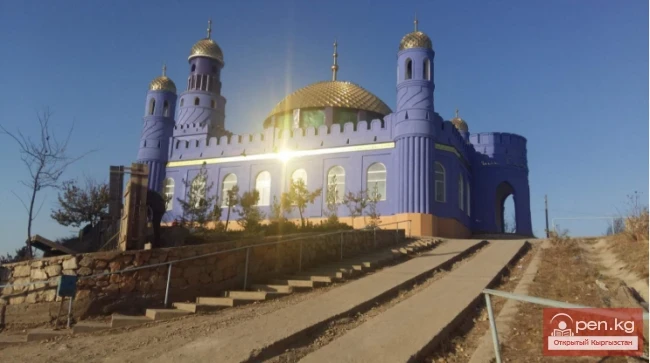
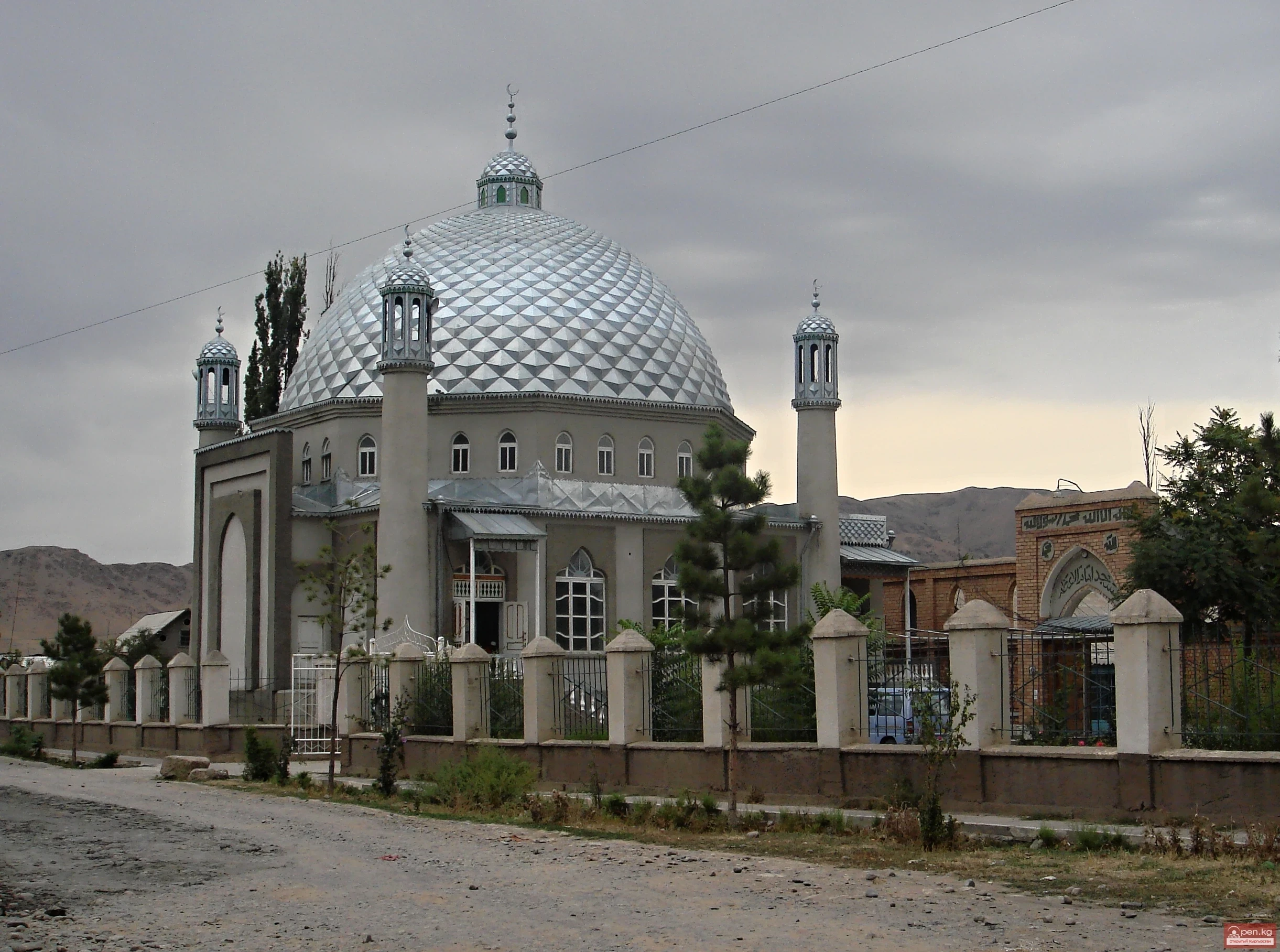
In recent years, religious facilities have been actively constructed in the republic: mosques, temples, churches, prayer houses, and dozens of religious educational institutions have opened.
In 1995, the Government of the Kyrgyz Republic discussed the issue "On the Religious Situation in the Kyrgyz Republic and the Tasks of Government Authorities in Formulating State Policy in the Religious Sphere" and adopted a resolution. In March 1996, the State Commission under the Government of the Kyrgyz Republic for Religious Affairs was established as a special executive body, whose main task is to formulate state policy in the religious sphere, strengthen mutual understanding and tolerance among different religions.
On November 14, 1996, the President of the Kyrgyz Republic signed a decree "On Measures to Implement the Rights of Citizens of the Kyrgyz Republic to Freedom of Conscience and Religion." The decree approved Temporary Regulations on Religious Education and the Registration of Religious Organizations, Missions of Foreign Religious Organizations, and Foreign Citizens Arriving in the Kyrgyz Republic for Religious Activities. Religious activity on the territory of the republic without registration is prohibited.
By the resolution of the Government of the Kyrgyz Republic on January 17, 1997, an Interdepartmental Council for Religious Affairs was established as a consultative and coordinating body tasked with developing recommendations for conducting state policy in the religious sphere, coordinating the efforts of state bodies and religious organizations aimed at maintaining stability in society, strengthening spirituality and faith, and achieving inter-religious tolerance.
In accordance with the Presidential Decree of November 14, 1996, No. 319, as of today, 1,299 religious facilities have been registered.
Registration has been conducted for 250 churches and prayer houses of the Christian direction from the following religious organizations: the Central Asian and Bishkek Dioceses of the Russian Orthodox Church, Evangelical Christians-Baptists, Christians of the Evangelical Faith, Seventh-day Adventists, Jehovah's Witnesses, and Evangelical Lutheran communities. Additionally, 20 missions of foreign religious organizations have been registered.
Before 1991, there were only 39 mosques and 25 churches and parishes of the Russian Orthodox Church functioning, but by the end of 2005, more than 1,338 mosques were registered; over 40 churches and parishes of the Orthodox Church; 200 prayer houses of the Christian direction; and one women's monastery.
Statistical data indicate an intensive growth of religious organizations, their diversity, significant construction, and financial support in attracting new believers. Although religious organizations do not practice fixed membership, one can indirectly trace the national affiliation of citizens to various confessions.
Comparative analysis shows that today more than 80% of the population of the republic adheres to Islam. Among Muslims, there are 60% Kyrgyz, 15% Uzbeks, and over 5% Uyghurs, Dungans, Kazakhs, Tatars, Tajiks, Bashkirs, Turks, Chechens, Dargins, and others.
Approximately 17% of the population adheres to Orthodoxy, mainly Russians, Ukrainians, and Belarusians.
With Kyrgyzstan's emergence on the international stage, the opportunity to study at Islamic universities abroad has arisen. According to the State Commission for Religious Affairs under the Government of the Kyrgyz Republic, 284 citizens of Kyrgyzstan are studying in foreign religious centers. At Al-Azhar University (Cairo), 155 students are enrolled, 84 in Turkey, and 22 in Pakistan. The rest are studying through private invitations in Syria, Kuwait, and Jordan.
In the last three to four years, more than 885 foreign citizens have been registered as arriving in Kyrgyzstan for religious activities. Among them are over 600 Christians, about 200 Muslims, and 70 missionaries representing other religious directions. A large number of Islamic missionaries come from Turkey, Egypt, Saudi Arabia, Pakistan, India, Uzbekistan, and Tajikistan. Christian missionaries and those from non-traditional movements mainly come from the USA, South Korea, India, and Kazakhstan.
In the republic, there are three publications of Islamic orientation: the newspaper of the Spiritual Administration of Muslims "Islam Madeniyaty," "Muslims" of the Jalal-Abad Qaziat (region), and "Islam Awazy" of the Batken Qaziat.
The Church of Jesus Christ publishes the newspapers "About the Church of God" and "Your Path." The religious center of Jehovah's Witnesses brings in magazines "Watchtower," "On Guard," "Awake!" in Russian and Kyrgyz. Almost all religious organizations are involved in bringing in and distributing literature.
Television viewers in Kyrgyzstan have the opportunity to watch Christian programs for more than two hours a week on all channels (even from the USA), while the weekly half-hour television program "Juma Khutbasy" on the state channel is aired irregularly and is often criticized by viewers.
Currently, there are about 30 directions in religious organizations and around two thousand cult objects and structures in the republic. This primarily pertains to Islamic and Christian teachings. Statistics indicate a significant increase in the number of religions and religious movements of a Christian orientation and so-called non-traditional religions.