Over the past five years, tax revenues in Kyrgyzstan have increased fourfold, customs duties have risen sixfold, and non-tax revenues have nearly increased ninefold. If in 2021 the consolidated budget amounted to 313 billion soms, by 2025 it exceeded 1 trillion 100 billion soms, which corresponds to a growth of 3.5 times.
These achievements demonstrate that entrepreneurs have begun to operate legally, reducing the level of the shadow economy. The country focuses on transparency and accountability, significantly reducing corruption risks.
Both domestic and foreign investors have made a significant contribution to economic growth, enabling the implementation of projects in various fields, creating new jobs, and increasing tax revenues.
Dynamics of Foreign Direct Investment
According to data from the National Statistical Committee, over the past four years, the volume of foreign direct investment in the country has significantly increased.
In 2020, the inflow of FDI amounted to 537.6 million US dollars, and in 2024 it reached 1 billion 29.7 million US dollars.
Of the total volume of investments, 31.9% came from non-CIS countries, while 68.1% were investments from CIS states.
Key Economic Sectors for Investment
Investments are distributed across the following key sectors of the economy:
- agriculture, forestry, and fishing;
- mining;
- manufacturing;
- provision of electricity, gas, and other resources;
- water supply and waste processing;
- construction;
- wholesale and retail trade;
- repair of cars and motorcycles;
- transport and storage;
- hospitality and restaurant business;
- information technology;
- financial services and insurance;
- real estate;
- scientific and technical services;
- education;
- healthcare and social assistance;
- arts and entertainment;
- other types of services.
Countries of Origin of Foreign Investments
In addition to CIS countries, investments in Kyrgyzstan come from the United Kingdom, Germany, Canada, Cyprus, China, Luxembourg, the Netherlands, the United Arab Emirates, Pakistan, South Korea, the USA, Turkey, Switzerland, Japan, and other countries.

Investment Attractiveness of Kyrgyzstan
Economist Kuban Choroев stated in an interview with the Kabar agency that as of the end of nine months in 2025, the volume of investments increased by 21.7% compared to the same period last year. The inflow of FDI also grew by more than 21%.
In January 2026, the volume of investments in fixed capital amounted to 6 billion soms, which is 17.9% more than in January of the previous year. This was due to both domestic and external sources of financing, with the volume of external investments increasing 11.6 times.
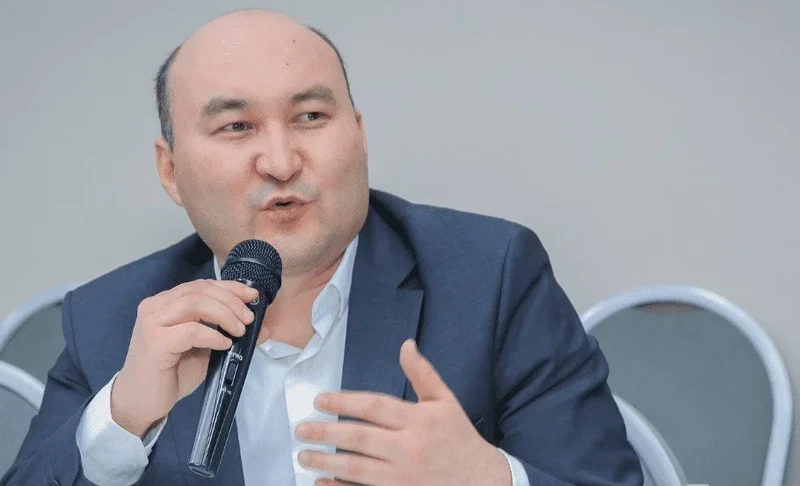
“The attracted funds are mainly directed towards infrastructure projects in the fields of energy, water supply, waste processing, industry, and the creation of logistics centers,” noted Choroев.He added that the growing interest of investors in Kyrgyzstan is linked to the creation of favorable conditions for business and the implementation of investment projects.
“Firstly, political stability and resolution of border issues. Complete demarcation of borders contributes to strengthening peace in Central Asia and creates a more predictable environment for investors, reducing their risks. Secondly, the state provides support to entrepreneurs and tax incentives, as well as simplifies interaction between investors and government bodies. For example, the import of equipment from the Eurasian Economic Union countries is exempt from customs duties, and as of January 1, 2026, unreasonable inspections of businesses by law enforcement agencies have been stopped,” added the economist.
“There is systematic work underway in Kyrgyzstan to improve the investment climate. Conditions, tax preferences, political stability, and strategic geographical location make the country attractive for investors. If this trend continues, Kyrgyzstan could become a reliable investment center in Central Asia,” concluded the expert.Partnership between Entrepreneurs and the State
Over the past four years, the average annual rate of real economic growth in Kyrgyzstan has been 10.2%. According to the International Monetary Fund, in 2024, the country ranked among the top three in the world in terms of GDP growth rates. This was reported at a republican meeting chaired by President Sadyr Japarov, dedicated to the results of the socio-economic development of the country in 2025 and plans for the future.
The president outlined the key areas of development until 2030: increasing GDP per capita to 4500 US dollars, the total volume of the economy to at least 30 billion dollars, entering the ranks of the top 30 countries in the world in terms of sustainable development goals, and improving positions in the human development index by 10 points.
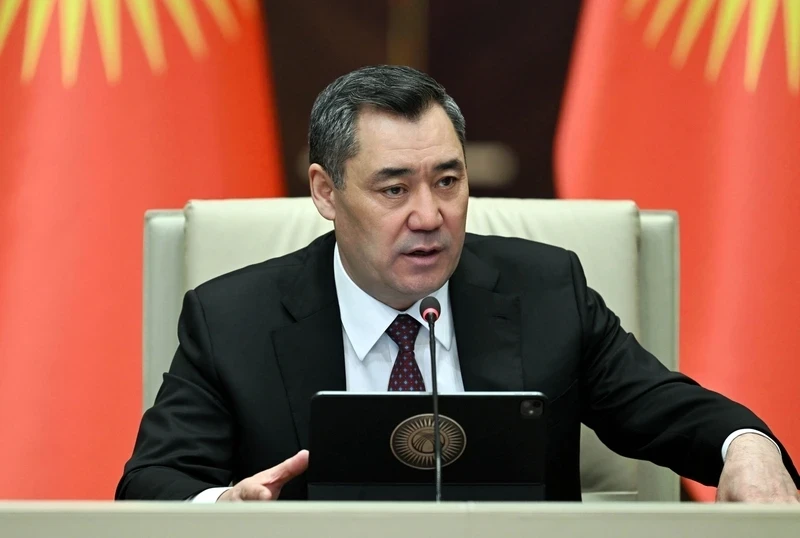
“Entrepreneurs who work honestly and benefit the country should be protected by law and feel the support of the state. Creating a favorable investment climate implies the absence of unreasonable pressure on business. I urge law enforcement agencies to stop unreasonable inspections so that entrepreneurs become the heart of Kyrgyzstan's economy and a source of new ideas,” said the president.
“The state will continue to support entrepreneurs and create conditions for their development. We must be partners,” he added.By 2030, Kyrgyzstan plans to transition from a service-based economy model to an industrial-agricultural one, increasing the share of production to 28-30%. Achieving these goals requires coordinated work from all government structures.
This will allow for the realization of the tasks outlined in the National Development Program until 2030.