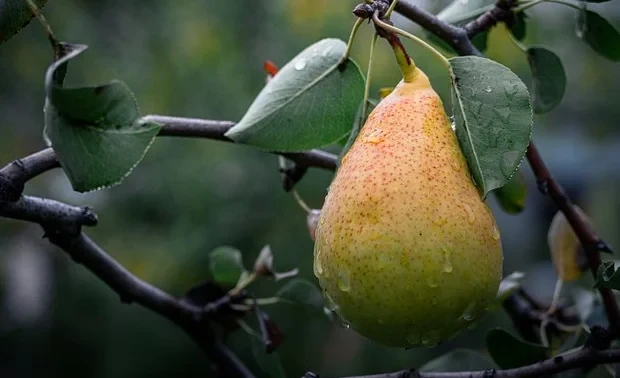
The skin of pears may prove to be an effective means in the fight against intestinal inflammation. This conclusion was reached by scientists who studied the influence of polyphenols from pear skin on ulcerative colitis. The results of their work were published in the journal Food & Function (F&F).
During laboratory tests, polyphenols extracted from the skin demonstrated the ability to suppress the production of molecules that cause inflammation in immune system cells. Experiments on mice with induced colitis showed that the addition of these compounds contributed to a reduction in weight loss, a decrease in inflammatory processes in the blood, and a significant reduction in damage to the tissues of the colon.
The scientists also noted the impact of polyphenols on the gut microbiota. As a result of their action, an increase in bacterial diversity and a growth in the proportion of microorganisms that help maintain the integrity of the mucous membrane were observed. At the same time, the number of bacteria associated with inflammatory processes decreased. Furthermore, a reduction in the activity of immune mechanisms in the intestinal mucosa was recorded, including those responsible for recognizing antigens.
The authors of the study emphasize that the results obtained indicate that the beneficial properties of fruits may depend not only on their pulp but also on their skin. They believe that pear skin should be considered a potential functional food component for maintaining gut health; however, additional studies will be required to confirm the effect in humans.