- The International Monetary Fund (IMF) predicts that the growth rate of Kyrgyzstan's economy will decrease to more than 5% per year over the next five years, driven by active development in tourism, construction, and re-export.
- This year, the republic managed to attract $700 million through its first eurobond sale and is implementing large-scale infrastructure projects, such as the China-Kyrgyzstan-Uzbekistan railway, which should support the economy and attract foreign investors.
A New "Tiger Economy" in Central Asia
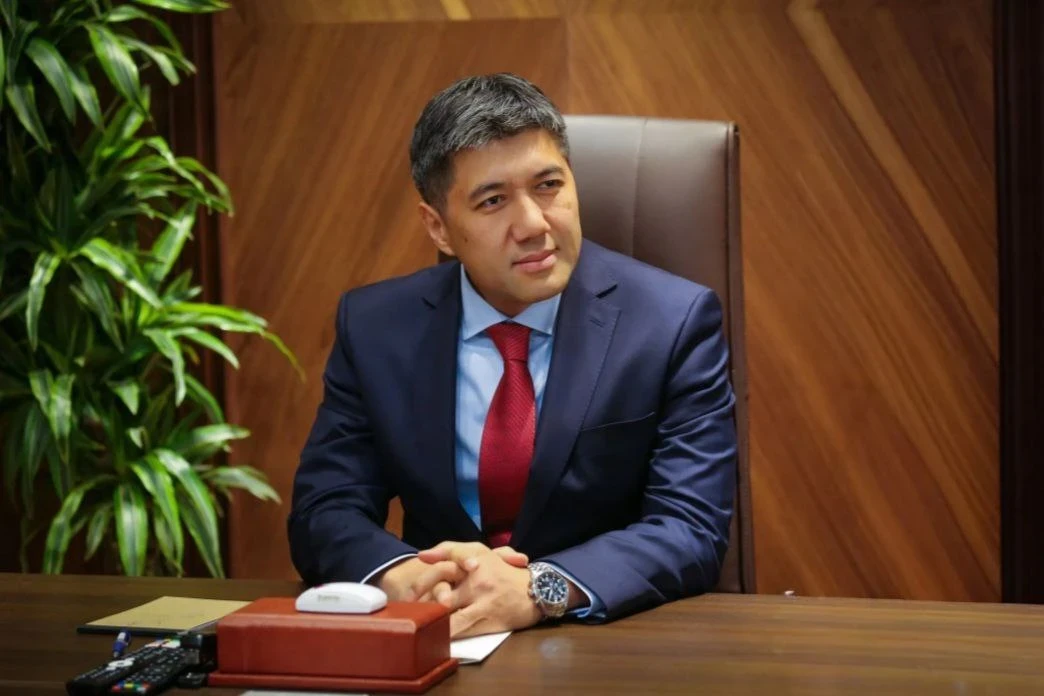
Kyrgyzstan, located between China and Kazakhstan, aims to take its place as a new "tiger economy" in Central Asia, actively leveraging the boom in re-export, remittances, and tourism to attract foreign investment.Photo courtesy of the National Bank's press service
According to the Central Bank's forecasts, the country's economy is expected to grow by over 10% in 2025, after real GDP growth averaged at least 9% per year over the past three years. The main factors driving this growth are the active development of tourism, construction, increased domestic consumption, and the re-export of goods from China to neighboring countries, as noted by the head of the National Bank in the interview.
According to the IMF, the medium-term forecast for Kyrgyzstan's economy—bordering China and the former Soviet republics of Kazakhstan, Uzbekistan, and Tajikistan—suggests a slowdown in growth rates to more than 5% per year over the next five years. This economic dynamic received a boost following the introduction of Russian troops in Ukraine in 2022, when Kyrgyzstan became an important intermediary in trade flows redirected due to sanctions.
Changes in the region's trade structure have become evident against the backdrop of recent geopolitical events. The republic is more actively integrating into regional and global trade.
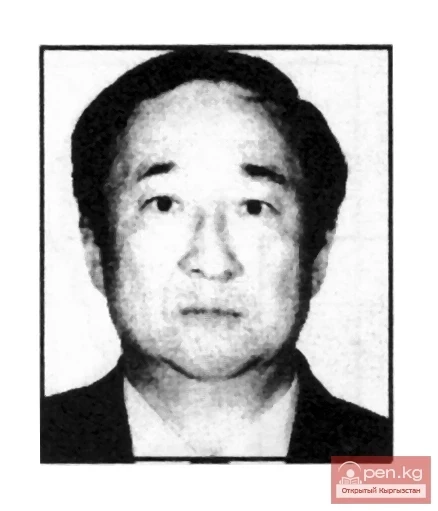
Melis Turgunbaev
Accelerating GDP Growth in Kyrgyzstan
"The state is benefiting from the rapid growth of re-export, remittances, and construction projects. Major infrastructure projects, such as the construction of the China-Kyrgyzstan-Uzbekistan railway and the Kambar-Ata-1 hydroelectric power station on the Naryn River, with a total cost of about $10 billion, also support the economy and attract foreign investments," Turgunbaev noted.He emphasized that the new railway line will significantly improve the country's logistics capabilities, and the power station will allow Kyrgyzstan to become a net exporter of electricity.
With a population of 7.3 million, the republic attracted $700 million from its first eurobond sale this year, joining the ranks of Central Asian countries seeking to attract global investors. The government bonds maturing in June 2030 demonstrated strong performance, reaching their highest level since their issuance in May.
Interaction with Russia and China
Despite China becoming Kyrgyzstan's main trading partner, the country still relies on Russia, which attracts labor migrants from Kyrgyzstan.
From January to September, gross remittances from migrants to Kyrgyzstan increased by 16.4 percent, reaching $2.6 billion, with nearly 93 percent of these funds coming from Russia.
Melis Turgunbaev
According to him, outgoing remittances from Kyrgyzstan amounted to only $300 million during the same period, which is a decrease of 13.1 percent compared to the previous year.
Goods from China also frequently pass through Kyrgyzstan to Russia, as the country is part of the customs union led by Moscow, along with Kazakhstan.
“We are seeing a sharp increase in the number of Russian tourists, significantly exceeding previous levels and bringing economic dividends,” added the head of the National Bank.
However, not all changes have been positive. In November, the Central Bank was forced to raise the key interest rate by 100 basis points to 11 percent due to rising prices for imported goods from Russia, which exceeded 8 percent. The price increase is primarily linked to the rising cost of fuel, most of which comes from Russia.
Bishkek cannot ignore the sanctions against Moscow. Many Russian banks have faced restrictions, complicating transaction processing.
Melis Turgunbaev
Kyrgyzstan faces the challenge of maintaining a balance between China and Russia while competing for investment with larger neighbors like Uzbekistan and Kazakhstan.
“Kyrgyzstan's economic prospects still heavily depend on the geopolitical situation,” states the IMF's June report.
The escalation of sanctions against Russia could negatively impact remittances and economic growth due to the devaluation of the ruble and a slowdown in development in the country, as indicated in the fund's report.
A stable peace in the region could have the opposite effect but could also lead to a decrease in some trade and financial flows that have contributed to growth in recent years.
According to the head of the National Bank, Kyrgyzstan's economy is currently protected from external shocks due to foreign exchange reserves, which reached a record $8.3 billion as of December 1, accounting for about 70 percent of the total. As of the third quarter, gold reserves amounted to 40.7 tons (1.3 million troy ounces).